Buy Ubiquinol Now
Kaneka Ubiquinol® Clinical & Scientific Studies
Ubiquinol, the antioxidant form of CoQ10, has been extensively studied in various health domains. Below is a curated selection of some of these research studies.
Ubiquinol, the antioxidant form of CoQ10, has been extensively studied in various health domains. Below is a curated selection of some of these research studies.
This section of our site provides summaries of selected clinical studies and scientific research investigating the health benefits of Kaneka Ubiquinol® and ubiquinol’s mechanisms and modes of action. This information is provided for informational and educational purposes only and is not intended for use as medical advice. Never delay seeking nor disregard medical advice because of something you have read on this site or the internet. Kaneka Ubiquinol® is not intended to diagnose, treat, cure, or prevent any disease.
As the body ages, it creates more free radicals and experiences more oxidative stress that can damage cells and tissues. In healthy young individuals, this is managed through natural antioxidants in the body, such as ubiquinol, that neutralize free radicals and protect cells, tissues, and organs from oxidative stress.
Ubiquinol is synthesized from ubiquinone, also known as the oxidized form of CoQ10. However, as people age, the ability to synthesize ubiquinol from ubiquinone decreases. If ubiquinone can’t be turned into its antioxidant form (ubiquinol), there will be more ubiquinone and less ubiquinol in the body, leaving less ubiquinol available to neutralize free radicals and reduce oxidative stress.
In a study by Wada and colleagues (2007), 127 male participants 20 and older had their CoQ10 blood levels tested. The study showed that the percentage of ubiquinol in the blood decreased with age, while the percentage of ubiquinone in the blood increased. This means that as the body ages, it has less ubiquinol to manage free radicals and oxidative stress. The researchers noted that oxidative stress that builds up over time can reduce the ubiquinol supply in the body, which may lead to damage by free radicals.
Reference
Wada H, Goto H, Hagiwara S, Yamamoto Y. J Am Geriatr Soc. 2007 Jul;55(7):1141-2.
A study by Hosoe in 2007 showed that participants taking Kaneka Ubiquinol® (90mg, 150mg, or 300 mg per day for four weeks) significantly increased blood ubiquinol concentrations compared to baseline, including an increase of 5 times the baseline level for the 90 mg dose, 5.9 times for the 150 mg dose, and 11.1 times for the 300 mg dose. Using sound scientific principles of data analysis, this research demonstrates that 200 mg of Kaneka Ubiquinol taken by healthy adults for four weeks increases plasma ubiquinol levels approximately 8 times compared to baseline.
Reference
Hosoe K, Kitano M, Kishida H, Kubo H, Fujii K, Kitahara M. Regul Toxicol Pharmacol. 2007 Feb;47(1):19-28. Epub 2006 Aug 21.
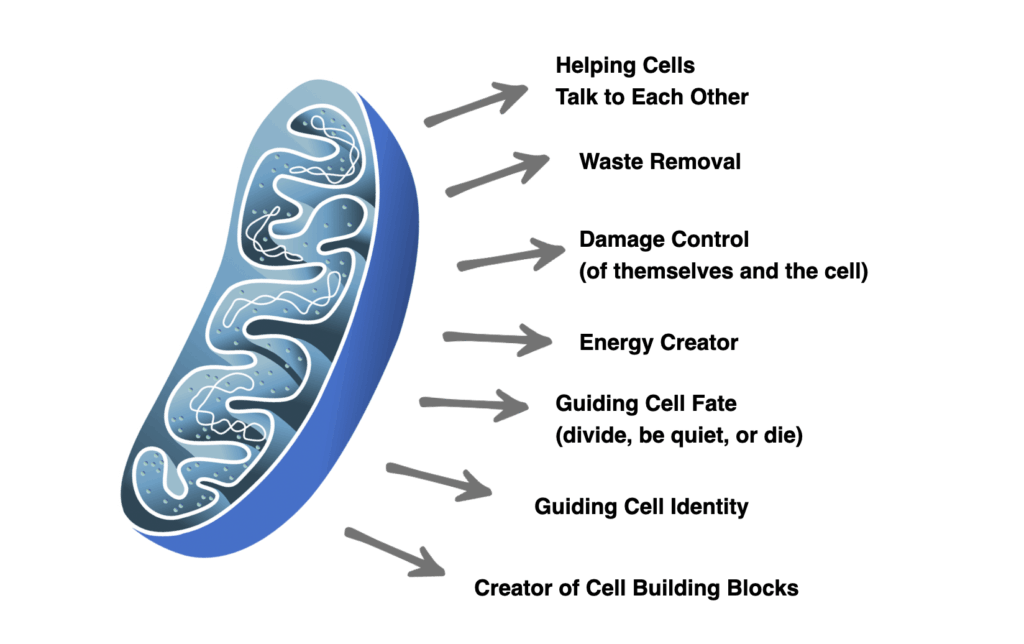
Mitochondria are often known to be the powerhouse of the cell, creating molecules that are used for energy. However, recent research has demonstrated that they do so much more. Mitochondria process information about the cell and send out signals that help cells adapt to internal conditions and keep both the cell and mitochondria functioning properly.
Mitochondria manage important processes. They create energy through production of adenosine triphosphate (also known as ATP) in the electron transport chain and participate in waste management by removing waste products like ammonia and other products of cell metabolism. Mitochondria also exchange parts and pieces with each other to make sure they are working well. This allows them to divide and create new mitochondria as the cell divides or when the cell has higher energy needs. They can also control the cell’s ability to divide, increasing cell division when more cells are needed, or decreasing cell metabolism for cells to remain quiet when fewer nutrients are available, or even die when something is wrong in the surrounding tissue. They even signal stem cells to develop into specific types of cells depending on what the body needs at the time. If their own mitochondrial DNA gets damaged due to reactive oxygen species, mitochondria will remove themselves from the cell so that damaged DNA doesn’t divide and create more damaged mitochondria.
Mitochondria do so many different jobs that are vital to keeping cells healthy. This is why it is crucial to support and help protect them from reactive oxygen species that can damage their DNA and affect their ability to carry out their activities.
Reference
Lee-Glover LP, Picard M, Shutt TE. J Cell Sci. 2025 May 1;138(9):jcs263403. Epub 2025 May 1.
Several cell studies have shown how ubiquinol supports mitochondrial health by neutralizing damaging free radicals. Two studies are highlighted below.
Free radicals are molecules that are missing electrons, and they try to take electrons from other molecules, like DNA, proteins, fats, and other structures. This can cause damage to these molecules and the structures they are part of. When the number of free radicals outweighs the body’s ability to neutralize them, they can cause damage to cells and tissues, and this state is called “oxidative stress.”
Free radicals are naturally created by cells during their normal daily activities, including being generated inside mitochondria. Fortunately, the cells and mitochondria naturally make antioxidants like ubiquinol that can easily donate electrons to these free radicals, reducing their chance of doing damage, thereby reducing oxidative stress. Ubiquinol is a type of CoQ10 that is found in almost every cell, including inside of mitochondria. It is converted from ubiquinone, the oxidized form of CoQ10, to ubiquinol using enzymes and energy.
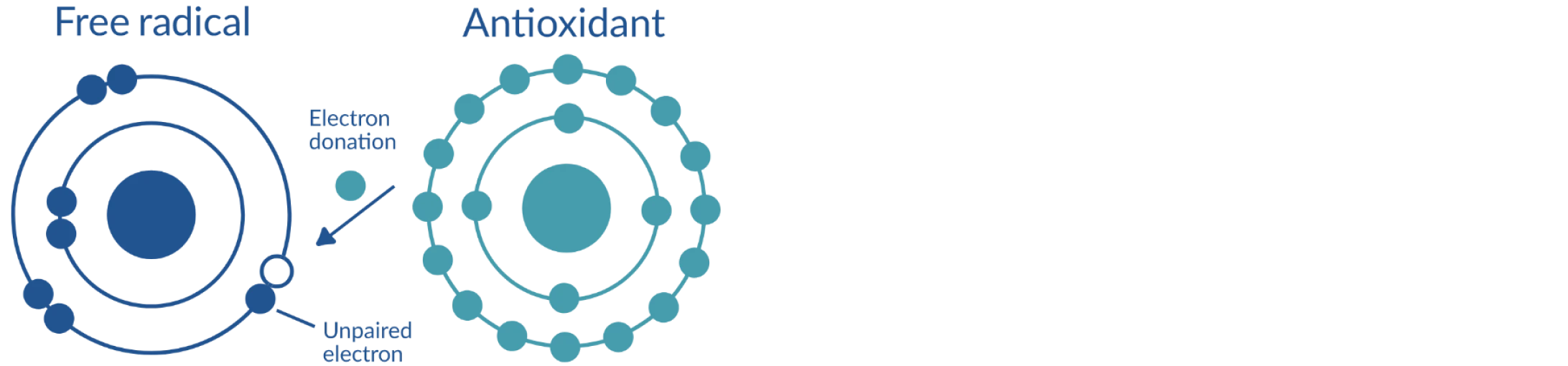
Unfortunately, as the body ages, it is less able to do this conversion and there can be a buildup of free radicals in the body, resulting in oxidative stress. Also, when the level of free radicals in the body increases, ubiquinol is “used up” as an antioxidant more often, converting it back to ubiquinone. Due to the decreased conversion and increased usage of ubiquinol, ubiquinol levels naturally decrease with age.
To demonstrate how ubiquinol affects cells, researchers have used cell models to identify the effects of this antioxidant at the cellular level. One study treated cells that line the insides of blood vessel cells (endothelial cells) with hydrogen peroxide, which is known to cause oxidative stress and damage cells. When pre-treating the cells with ubiquinol, they found that the damage done by the hydrogen peroxide was decreased.
Another study used human salivary gland cells to confirm how ubiquinol changes the cells’ ability to respond to oxidative stress. The addition of ubiquinol increased energy molecule production (also known as adenosine triphosphate, or ATP) in the cells. It also neutralized the effects of oxidative stress on fats and proteins in these cells.
These studies provide data about ubiquinol’s mechanism of action and demonstrate how ubiquinol helps support healthy mitochondrial function and protects cells from oxidative stress.
References
Huo J, Xu Z, Hosoe K, Kubo H, Miyahara H, Dai J, Mori M, Sawashita J, Higuchi K. Oxid Med Cell Longev. 2018 Jul 8;2018:3181759.
Ushikoshi-Nakayama R, Ryo K, Yamazaki T, Kaneko M, Sugano T, Ito Y, et al. PLoS ONE 2019; 14(4): e0214495.
Free radicals can modify fats that make up mitochondrial and cell walls (also called membranes), which is a process called lipid peroxidation. When fats that are part of mitochondrial or cellular wall membranes undergo peroxidation, they can become damaged, affecting the stability and integrity of these membranes. Antioxidants are important for neutralizing free radicals and preventing them from causing peroxidation. Ubiquinol can neutralize free radicals through its antioxidant properties and protect LDL and cell membranes from damage. Some antioxidants can be absorbed by or pass through fats and are referred to as being “fat soluble” (also known as “lipid soluble”).
The first research to demonstrate ubiquinol’s role as the main fat-soluble antioxidant in the blood that can protect cell membranes was done by Stocker and colleagues in 1991 using two different experiments. In the first experiment, the researchers used low density lipoprotein (LDL) that was isolated from blood plasma donated from males aged 25-34 years and added a chemical agent that would cause lipid peroxidation. They then added ubiquinol and measured the total amount of oxidized LDL and ubiquinol in the sample. The results showed that when ubiquinol was added to the sample, the number of products from lipid peroxidation decreased and the levels of ubiquinol decreased in a similar fashion. The researchers noted that the decrease in ubiquinol was due to the conversion of ubiquinol to ubiquinone once the antioxidant donated its electrons and neutralized the process of peroxidation.
The second experiment was designed to identify ubiquinol’s role in protecting LDL in membranes undergoing oxidation. It utilized isolated cells from blood plasma and added both an oxidizing agent and ubiquinol. Ubiquinol was able to neutralize the oxidation of the lipids in the membranes when added to the sample.
These experiments along with clinical studies using Kaneka Ubiquinol®demonstrate the ability of ubiquinol to act as an antioxidant, protecting LDL and cell membranes from oxidation and damage.
References
Huo J, Xu Z, Hosoe K, Kubo H, Miyahara H, Dai J, Mori M, Sawashita J, Higuchi K. Oxid Med Cell Longev. 2018 Jul 8;2018:3181759. PMID: 30116476; PMCID: PMC6079399.
Ushikoshi-Nakayama R, Ryo K, Yamazaki T, Kaneko M, Sugano T, Ito Y, et al. PLoS ONE 2019; 14(4): e0214495.
Stocker R, Bowry VW, Frei B. Proc Natl Acad Sci 1991 Mar 1;88(5):1646-50. DOI: 10.1073/pnas.88.5.1646.
Sabbatinelli J, Orlando P, Galeazzi R, Silvestri S, Cirilli I, Marcheggiani F, Dludla PV, Giuliani A, Bonfigli AR, Mazzanti L, Olivieri F, Antonicelli R, Tiano L. Nutrients. 2020 Apr 15;12(4):1098.
Ubiquinol is a key antioxidant in the body that helps prevent damage from free radicals and oxidative stress. However, levels of ubiquinol are known to decrease as the body ages, which may be associated with increased oxidative stress and a decrease in the body’s ability to create ubiquinol.
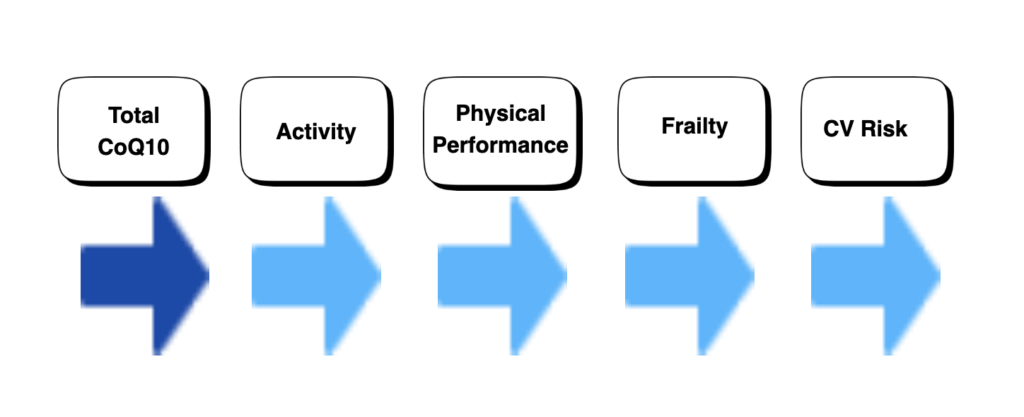
To determine the connection between total CoQ10 (ubiquinol + ubiquinone) blood levels and physical health in older age, researchers completed an observation study to correlate these levels in adults over the age of 65 with their physical capacity (de la Bella-Garzon, 2022). A total of 64 participants (ages 65–99 years) from three locations completed blood testing and physical activity tests, along with a questionnaire about their physical activity in the past 7 days, with no other intervention.
Higher levels of total CoQ10 in the blood correlated with higher activity and performance on physical fitness tests, indicating greater muscle strength and endurance, and a lower risk of frailty in this older population.
Reference
de la Bella-Garzón R, Fernández-Portero C, Alarcón D, Amián JG, López-Lluch G. Antioxidants. 2022 Jan 29;11(2):279
The health of the cardiovascular system is evaluated by assessing various physical factors including the heart’s structure and function, the condition and flexibility of the blood vessels, and blood flow to and from the heart. Healthy blood vessels are an important hallmark of cardiovascular health. Flexible vessels allow the body to adjust blood flow quickly and appropriately depending on the need. Low density lipoprotein (LDL) is known as the “bad” type of cholesterol, and when it is oxidized, it can stick to vessel walls and lead to the vessel walls being less flexible, affecting circulatory system health. However, ubiquinol acts as an antioxidant and attaches to LDL in the blood so that it’s less likely to be oxidized. Ubiquinol also helps protect cells and vessels from free radical damage, supporting the body’s ability to maintain vessel health, flexibility, and function.
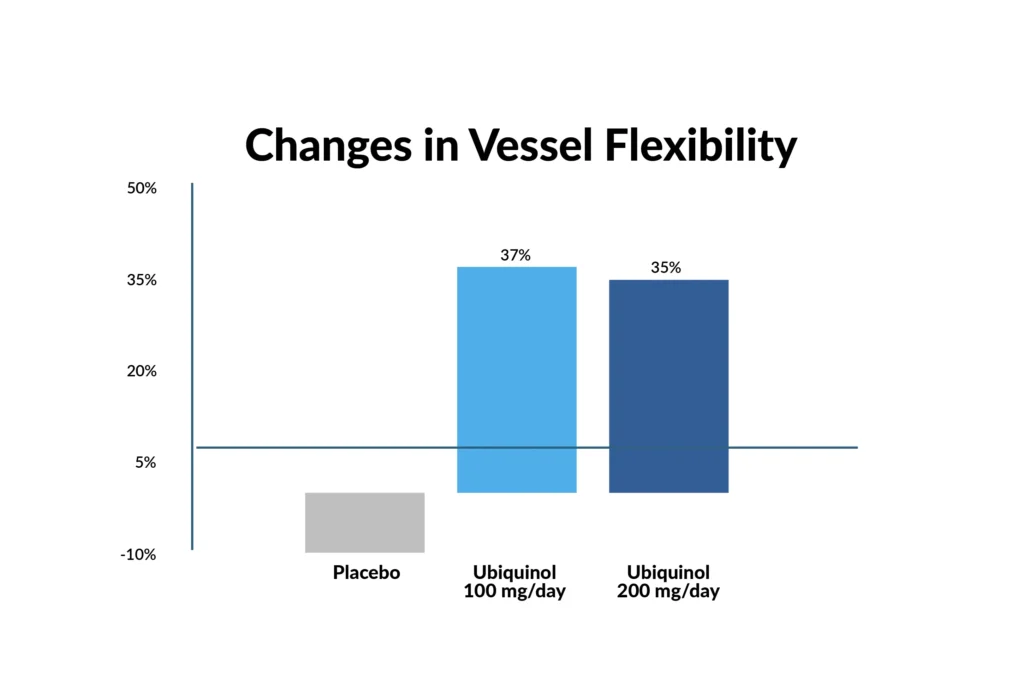
In a controlled trial by Sabbatinelli in 2020, 51 people with moderately increased levels of cholesterol in their blood took either Kaneka Ubiquinol® (either 100 mg or 200 mg) or a placebo once a day for 8 weeks. Researchers measured the amount of oxidized LDL and the amount of total CoQ10 in their blood, as well as how flexible their blood vessels were (also known as “flow mediated dilation” or FMD) before and after the 8 weeks of the trial.
Those taking ubiquinol showed 37% better vessel flexibility compared to baseline when taking 100 mg per day for 8 weeks, and 35% better flexibility when taking 200 mg per day. Both improvements were statistically significant and did not occur in the group taking a placebo.
The researchers also conducted an experiment on the susceptibility of LDL to oxidation using blood samples from these groups at the end of the study. The susceptibility of LDL to oxidation was lower in the group that took Kaneka Ubiquinol® compared to those who took the placebo, showing that ubiquinol was able to protect LDL from oxidation, an important factor in maintaining the health of blood vessels.
This study demonstrates that taking Kaneka Ubiquinol® promotes vessel health and healthy blood circulation.
Reference
Sabbatinelli J, Orlando P, Galeazzi R, Silvestri S, Cirilli I, Marcheggiani F, Dludla PV, Giuliani A, Bonfigli AR, Mazzanti L, Olivieri F, Antonicelli R, Tiano L. Nutrients. 2020 Apr 15;12(4):1098.
Statin drugs are prescribed to people with high cholesterol levels and other health conditions associated with an increased risk of cardiovascular disease. Statins are effective at reducing cholesterol in the blood because they decrease the synthesis of cholesterol in the liver. Statins work along the same pathway the body uses to create CoQ10 (ubiquinone), however, and their use is known to decrease the production of CoQ10. Ubiquinone (CoQ10) is a precursor molecule that is transformed into ubiquinol. This means that people taking statins over time may have lower levels of CoQ10 and ubiquinol. Over time, some people may experience muscle discomfort and weakness.
In a study done in 2012 (Zlatohlavek), 30 participants taking statins and experiencing muscle discomfort were instructed to take Kaneka Ubiquinol® for 6 months. At baseline, the participants were shown to have deficient blood levels of CoQ10 which steadily increased with supplementation and nearly doubled by 6 months. At the end of the study, muscle discomfort decreased by 54% and weakness decreased by 44% compared to baseline. These findings were statistically significant and demonstrate that Kaneka Ubiquinol supports muscle health in patients taking statins.
Zlatohlavek L, Vrablik M, Grauova B, Motykova E, Ceska R. Neuro Endocrinol Lett. 2012;33 Suppl 2:98-101. PMID: 23183519.
A clinical study of 186 women under 35 years of age with a low number of egg cells (poor ovarian reserve) and undergoing in vitro fertilization (IVF) assigned participants to either no additional intervention or CoQ10 supplementation (200 mg three times per day) for 2 months prior to an IVF cycle. The researchers believed that higher levels of reactive oxygen species building up in mitochondria could affect egg cell function in women having difficulty conceiving. They wanted to investigate whether taking CoQ10 could improve the body’s defense mechanisms against these reactive oxygen species and improve the participants’ ability to have viable eggs.
During the study researchers found that women taking CoQ10 required less hormonal therapy, had a better ovarian response to IVF with more eggs retrieved, and their eggs had a higher fertilization rate with more high-quality embryos compared to those not taking the supplement.
Xu Y, Nisenblat V, Lu C, Li R, Qiao J, Zhen X, Wang S. Reprod Biol Endocrinol. 2018 Mar 27;16(1):29.
Creation of free radicals is a natural process during the body’s cellular and metabolic activity. Normally, the body has enough internal antioxidants like ubiquinol to protect cell components, cells, and tissues from free radical damage. However, levels of antioxidants can decrease as the body ages, leaving the body vulnerable to free radical damage.
Not having enough ubiquinol in the body to fight off free radicals can impact sperm count, sperm shape and structure (called “sperm morphology), and how well and how fast sperm move (called “sperm motility”). Reduced levels of ubiquinol in the body correlate with low sperm counts and sperm motility in men. However, research has demonstrated that supplementing with Kaneka Ubiquinol® helps neutralize oxidative stress caused by excess free radicals known to impact reproductive health in men. For example, an open-label study (Thakur 2015) was completed in 60 men 20-40 years old with slow-moving sperm and low sperm count who took 150 mg per day of ubiquinol for six months. At the end of the study, sperm motility improved up to 26%, and sperm count increased up to 53% compared to baseline.
Researchers have also studied the effect of ubiquinol in men with a normal to mildly low sperm count and misshapen sperm who were unable to conceive with their partner (Cakiroglu 2014). The study included 62 men (average age of 32) that received 100 mg of Kaneka Ubiquinol® twice a day for six months, and their sperm parameters were compared before and after supplementation. Men taking Kaneka Ubiquinol® experienced a 19% improvement in sperm morphology that was statistically significant, when compared to baseline.
These studies demonstrate that supplementing with Kaneka Ubiquinol® promotes a healthy antioxidant response and supports reproductive health in men.
Thakur AS, Littarru GP, Funahashi I, Painkara US, Dange NS, Chauhan P. J Clin Diagn Res. 2015 Sep; 9(9): BC01–BC03.
Cakiroglu B, Eyyupoglu SE, Gozukucuk R, Uyanik BS. Nephrourol Mon. 2014 May 10;6(3):e16870
In a consumer use study, 200 women aged 45–55 experiencing common menopause-related symptoms (emotional balance, quality of life, and muscle discomfort) were recruited to participate in a two-month trial of Kaneka Ubiquinol® (200 mg/day).
At the end of the study, 81% of women reported that they felt less irritable, 81% said they felt less sensitive, 82% felt less stressed, and 69% reported feeling less muscle or joint discomfort than they did at the beginning of the trial.
This study demonstrates that supplementing with Kaneka Ubiquinol® supports the well-being of women during the menopausal years.

Reference
Kaneka Internal Report. Real-life UBIQUINOL study on 200 postmenopausal women. Expansion Consulteam. 2024. Reported in NutraIngredients Europe May 22, 2024
We don’t normally think about our saliva, but it is a critical part of keeping the mouth healthy. Having enough saliva helps moisten the mouth, supports the ability to swallow food, enhances the sense of taste, and protects the teeth and gums from problems like cavities. The amount of saliva the body makes decreases as a natural part of aging, when the glands that make saliva (salivary glands) don’t function as efficiently. This can happen due to an increase in free radicals and oxidative stress from aging. Kaneka Ubiquinol® has been shown to improve the amount of saliva released from these glands in healthy people with common feelings of dry mouth.
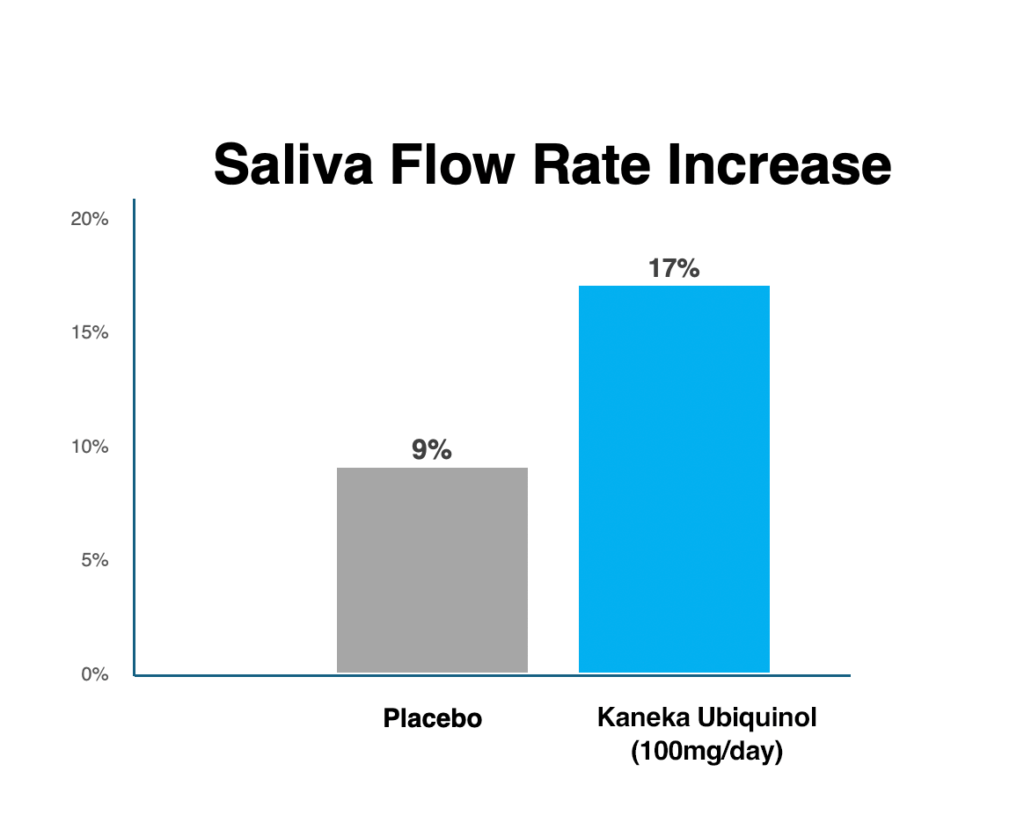
In a recent placebo-controlled study investigating Kaneka Ubiquinol®, researchers included healthy older adults (aged 41-64) experiencing dry mouth. The study used a daily regimen requiring participants to take either two gummies that contained 50 mg of Kaneka Ubiquinol® (for a total of 100 mg of Ubiquinol per day) or an identical-looking placebo gummy containing vegetable oil instead of ubiquinol after breakfast for 8 weeks. Researchers measured how much saliva the participants made when chewing on a piece of cotton (also called the “saliva flow rate”), as well as their feelings of a dry mouth.
The study found that the group taking the gummies with Kaneka Ubiquinol® made more saliva at the end of the study than at the beginning, and this change was statistically significantly higher than those taking the placebo gummies.
The group taking the gummies with Ubiquinol also had higher CoQ10 levels in their saliva at the end of the study compared to the beginning, which were five times higher than the group taking placebo gummies.
Additionally, to identify how ubiquinol was able to impact the saliva flow rate, the researchers completed an experiment using human salivary gland cells and an agent that increased oxidative stress (called an oxidizing agent). The addition of ubiquinol to the cells in a dish with the oxidizing agent increased energy molecule (adenosine triphosphate, ATP) production and helped prevent the damaging effects of oxidative stress on fats and proteins in the cells.
These studies confirm that ubiquinol can increase saliva in adults with common feelings of dry mouth by the antioxidant actions on their salivary gland cells.
Reference
Ushikoshi-Nakayama R, Ryo K, Yamazaki T, Kaneko M, Sugano T, Ito Y, et al. (2019) PLoS ONE 14(4): e0214495.
In a 2025 study, researchers investigated how exercise capacity was impacted by going up in elevation while taking either Kaneka Ubiquinol® or a placebo. Because the amount of oxygen in the air is lower at high elevations, it makes the body work harder to function. Being at high altitude also results in the creation of more free radicals, which can affect how the heart and lungs function during exercise. Also, taking people up to higher elevation is a way to put the body through a controlled type of physical stress to see whether a supplement provides a benefit when doing clinical research.
The randomized, double-blind, placebo-controlled study included 41 healthy people aged 18-55. In the first part of the study, the participants took 200 mg of Kaneka Ubiquinol® or a placebo each day for 11 days at low elevation (984 feet). Study participants then did a rigorous exercise routine at low elevation. Next, the researchers flew people up to high altitude (13,000 feet) and three days later, they had them do the same exercise routine again. After 7 days at high elevation, they flew people back down to low altitude and participants did the same exercise routine (see Figure 1). At each exercise session, the researchers measured fatigue, how their heart performed, and their breathing rates. The study results were published in two journal articles (Liu et al., 2024, and Lv et al.,2025), which are reviewed below.
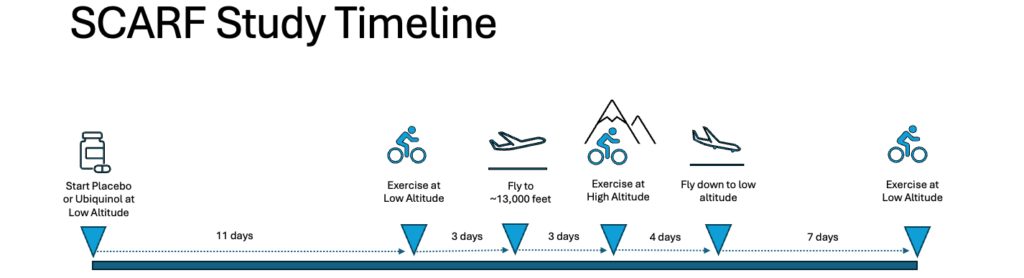
Figure 1. Study Methods (Liu 2024; Lv 2025)
After ascending to high altitude, people taking Kaneka Ubiquinol® had less fatigue compared to the placebo group. During exercise, they had better heart and lung function (as indicated by VO 2 max which measures the maximum amount of oxygen a person’s body can use during exercise) than those who were taking a placebo. VO 2 max naturally decreases when people go up in elevation, as the heart and lungs must work harder to do the same tasks as they would at low altitude. In this study, VO 2 max decreased by only 10% in people taking Kaneka Ubiquinol®, compared to 21% for people taking placebo (Figure 1).
In summary, Kaneka Ubiquinol® promoted increased resilience with strenuous exercise at high altitude. The researchers attributed these changes to Ubiquinol’s antioxidant effects in helping mitigate free radicals that are created from going up in elevation, supporting heart function, and ubiquinol’s role in energy creation in organs like the heart and lungs.
References
Liu Z, Yang J, Yang B, Sun M, Ye X, Yu S, Tan H, Hu M, Lv H, Wu B, Gao X, Huang L. Int J Cardiol. 2024 Apr 15;401:131817.
Lv H, Liu Z, Sun M, Yu S, Hu M, Bian S, Ye X, Wang K, Dong H, Yang B, Zhou C, Huang L, Yang J. iScience. 2025 Feb 27;28(3):112112.
In a double-blind, placebo-controlled study published in 2013, researchers recruited 100 young elite German athletes (average age of 20 years old) that were training for the Olympic games in different types of sports. All participants went through an intense exercise session at the start of the study and were then instructed to take either 300 mg of Kaneka Ubiquinol® (using five 50 mg capsules), or five placebo capsules. The exercise session was repeated three and six weeks after starting to take Ubiquinol or placebo, and their performance was compared to their own baseline (see Figure 1).
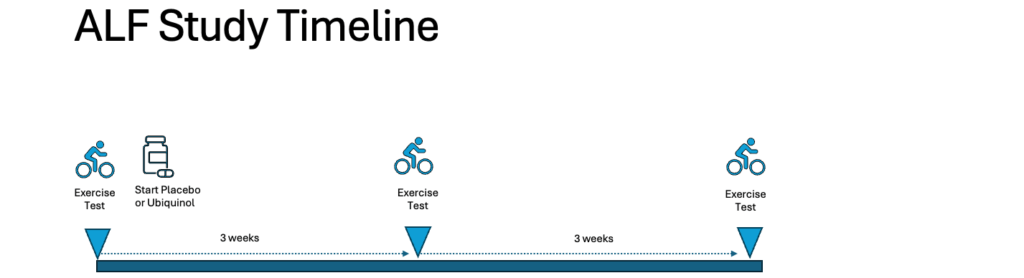
Figure 1. Study Methods (Alf 2013)
The main outcome of the study was the change in fitness between the two groups compared to baseline, measured as peak power output. To evaluate peak power from each session, the researchers measured the amount of energy that was generated from the participant riding an exercise bike (in watts), divided by the person’s weight (Figure 2).
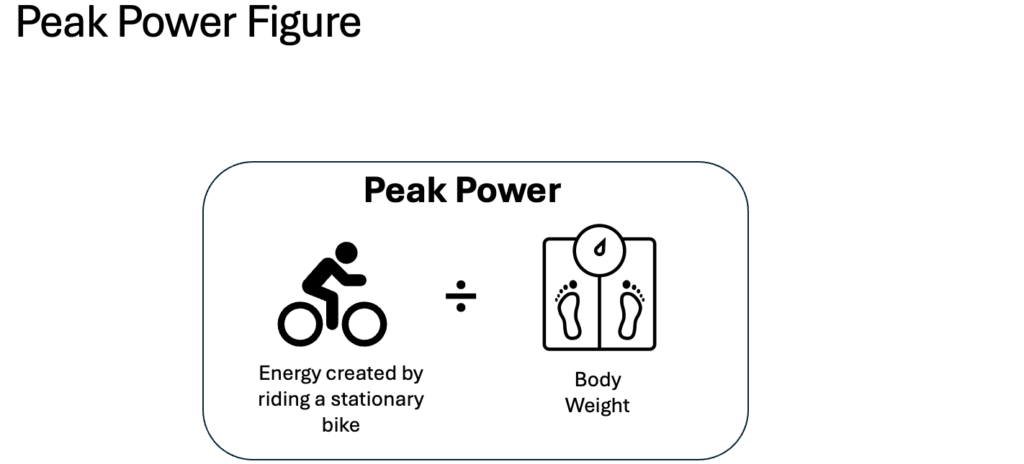
Figure 2. Peak Power Calculation
At the end of the study, the athletes taking Kaneka Ubiquinol® had 11% higher peak power output compared to those taking the placebo who had an increase of 8.5% (Figure 3). These differences were statistically significant and meaningful for competitive athletes, for whom even small improvements in performance can make a big impact.
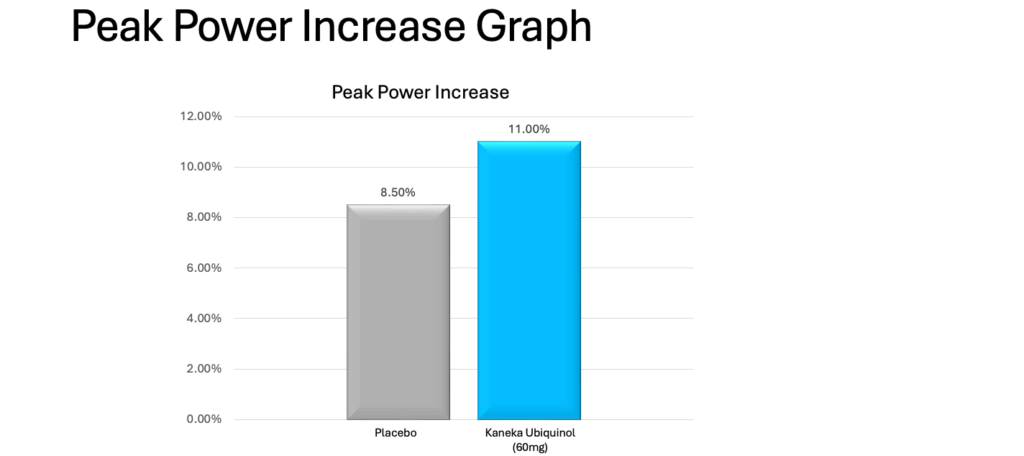
Figure 3. Peak Power Increase by Group
Reference
Alf D, Schmidt ME, Siebrecht SC. J Int Soc Sports Nutr. 2013 Apr 29;10:24.
Abdelsamie, M., Zahran, F., Hussine, A. A., Shaker, O., & Al-Mahallawi, A. M. (2023). BMC Oral Health, 23(1), 506.
Aejmelaeus, R., Metsä-Ketelä, T., Laippala, P., Solakivi, T., & Alho, H. (1997). Mol Aspects Med, 18 Suppl, S113-120.
Al-Kuraishy, H. M., Al-Gareeb, A. I., Shams, H. A., & Al-Mamorri, F. (2019). J Lab Physicians, 11(4), 317-322.
Alahmar, A. T. (2019). Clin Exp Reprod Med, 46(3), 112-118.
Alahmar, A. T., Calogero, A. E., Sengupta, P., & Dutta, S. (2021). World J Mens Health, 39(2), 346-351.
Alahmar, A. T., & Naemi, R. (2022). Andrologia, 54(5), e14385.
Alahmar, A. T., & Sengupta, P. (2021). Biol Trace Elem Res, 199(4), 1246-1252.
Alahmar, A. T., & Singh, R. (2022). Clin Exp Reprod Med, 49(1), 49-56.
Alf, D., Schmidt, M. E., & Siebrecht, S. C. (2013). J Int Soc Sports Nutr, 10, 24.
Ali, S., & Dizaye, K. (2023). Journal of Population Therapeutics and Clinical Pharmacology, 405-414.
Alleva, R., Scararmucci, A., Mantero, F., Bompadre, S., Leoni, L., & Littarru, G. P. (1997). Mol Aspects Med, 18 Suppl, S221-228.
Ammar, I., & Abdou, A. (2021). Middle East Fertility Society Journal, 26.
Bloomer, R. J., Canale, R. E., McCarthy, C. G., & Farney, T. M. (2012). Oxid Med Cell Longev, 2012, 465020.
Buettner, C., Greenman, R. L., Ngo, L. H., & Wu, J. S. (2016). J Nat Sci, 2(8).
Cakiroglu, B., Eyyupoglu, S. E., Gozukucuk, R., & Uyanik, B. S. (2014). Nephrourol Mon, 6(3), e16870.
Chandravati, D., Gupta, D., Arora, D., Rajvedi, D., Agnihotri, D., B, D., Salecha, D., Gaur, D., Bhatnagar, D., Mishra, D., Hajela, D., & Desai, D. (2023). International Journal of Clinical Obstetrics and Gynaecology, 7, 17-21.
Chen, F. L., Chang, P. S., Lin, Y. C., & Lin, P. T. (2018). Nutrients, 10(11).
Cirilli, I., Orlando, P., Marcheggiani, F., Dludla, P. V., Silvestri, S., Damiani, E., & Tiano, L. (2020). Antioxidants (Basel), 9(10).
Cucinotta, F., Ricciardello, A., Turriziani, L., Mancini, A., Keller, R., Sacco, R., & Persico, A. M. (2022). Front Psychiatry, 13, 829516.
Deguchi, S. (2008). Rinsyo Iyaku, 24, 233-238.
Diaz-Castro, J., Mira-Rufino, P. J., Moreno-Fernandez, J., Chirosa, I., Chirosa, J. L., Guisado, R., & Ochoa, J. J. (2020). Food Funct, 11(9), 7523-7531.
Diaz-Castro, J., Moreno-Fernandez, J., Chirosa, I., Chirosa, L. J., Guisado, R., & Ochoa, J. J. (2020). Nutrients, 12(2).
Donnino, M. W., Mortensen, S. J., Andersen, L. W., Chase, M., Berg, K. M., Balkema, J., Radhakrishnan, J., Gazmuri, R. J., Liu, X., & Cocchi, M. N. (2015). Crit Care, 19(1), 275.
Eroglu, F. K., Ozaltin, F., Gönç, N., Nalçacıoğlu, H., Özçakar, Z. B., Yalnızoğlu, D., Güçer, Ş., Orhan, D., Eminoğlu, F. T., Göçmen, R., Alikaşifoğlu, A., Topaloğlu, R., & Düzova, A. (2018). Pediatr Neurol, 88, 71-74.
Evans, M., Baisley, J., Barss, S., & Guthrie, N. (2009). Journal of Functional Foods, 1(1), 65-73.
Fedacko, J., Pella, D., Fedackova, P., Hänninen, O., Tuomainen, P., Jarcuska, P., Lopuchovsky, T., Jedlickova, L., Merkovska, L., & Littarru, G. P. (2013). Can J Physiol Pharmacol, 91(2), 165-170.
Fischer, A., Onur, S., Niklowitz, P., Menke, T., Laudes, M., & Döring, F. (2016). Biofactors, 42(3), 268-276.
Fischer, A., Onur, S., Schmelzer, C., & Döring, F. (2012). BMC Res Notes, 5, 540.
Forsmark-Andrée, P., & Ernster, L. (1994). Mol Aspects Med, 15 Suppl, s73-81.
Fukuda, S., Nojima, J., Kajimoto, O., Yamaguti, K., Nakatomi, Y., Kuratsune, H., & Watanabe, Y. (2016). Biofactors, 42(4), 431-440.
Gamal, F., El Agami, O., & Salamah, A. (2022). CNS Neurol Disord Drug Targets, 21(8), 717-723.
GamalEl din, S., Elnashar, A. M., Elkhiat, Y., Hussein, T., AbdeElSalam, M. A., Alam, A., Moatamed, I., Zeidan, A., Elahwany, A., Ragab, M. W., Zahran, O., & Saad, H. (2025). Archivio Italiano di Urologia e Andrologia, 97(2).
García-Carpintero, S., Domínguez-Bértalo, J., Pedrero-Prieto, C., Frontiñán-Rubio, J., Amo-Salas, M., Durán-Prado, M., García-Pérez, E., Vaamonde, J., & Alcain, F. J. (2021). Antioxidants (Basel), 10(2).
Gvozdjáková, A., Kucharská, J., Ostatníková, D., Babinská, K., Nakládal, D., & Crane, F. L. (2014). Oxid Med Cell Longev, 2014, 798957.
Holmberg, M. J., Uber, A., Stankovic, N., Chen, C. O., Grossestreuer, A. V., Donnino, M. W., Andersen, L. W., & Liu, X. (2020). J Intensive Care Med, 35(8), 797-804.
Hosoe, K., Kitano, M., Kishida, H., Kubo, H., Fujii, K., & Kitahara, M. (2007). Regul Toxicol Pharmacol, 47(1), 19-28.
Huo, J., Xu, Z., Hosoe, K., Kubo, H., Miyahara, H., Dai, J., Mori, M., Sawashita, J., & Higuchi, K. (2018). Oxid Med Cell Longev, 2018, 3181759.
Jing, L., He, M. T., Chang, Y., Mehta, S. L., He, Q. P., Zhang, J. Z., & Li, P. A. (2015). Int J Biol Sci, 11(1), 59-66.
Julius, U., Tselmin, S., Weigmann, I., & Tiano, L. (2025). International Journal on Nutraceuticals, Functional Foods and Novel Foods.
Kawaharada, Y., & Toyomasu, K. (2013). Japanese Pharmacology and Therapeutics, 41, 1229-1237.
Kawasaki, T., Singh, R. B., Germaine, C., & Halberg, F. (2012). The Open Nutraceuticals Journal, 5, 187-192.
Kawashima, C., Matsuzawa, Y., Konishi, M., Akiyama, E., Suzuki, H., Sato, R., Nakahashi, H., Kikuchi, S., Kimura, Y., Maejima, N., Iwahashi, N., Hibi, K., Kosuge, M., Ebina, T., Tamura, K., & Kimura, K. (2020). Am J Cardiovasc Drugs, 20(4), 363-372.
Kinoshita, T., Maruyama, K., Katakami, K., & Sakiyama, T. (2025). J Obstet Gynaecol Res, 51(4), e16279.
Kinoshita, T., Maruyama, K., & Tanigawa, T. (2016). Functional Foods in Health and Disease, 6, 16-32.
Kizaki, K., Terada, T., Arikawa, H., Tajima, T., Imai, H., Takahashi, T., & Era, S. (2015). J Sports Med Phys Fitness, 55(7-8), 797-804.
Kubo, H., Fujii, K., Kawabe, T., Matsumoto, S., Kishida, H., & Hosoe, K. (2008). Journal of Food Composition and Analysis, 21, 199-210.
Kucharska, J., Sumbalova, Z., Rausova, Z., Palacka, P., Navas, P., Lopez-Lluch, G., Kovalcikova, E., Takacsova, T., & Gvozdjakova, A. (2023). Bratisl Lek Listy, 124(2), 89-96.
Kunching, S., Nararatwanchai, T., Chalermchai, T., Wongsuphasawat, K., Sitiprapaporn, P., & Thipsiriset, A. (2022). Songklanakarin Journal of Science and Technology (SJST), 44 (1), 231-235.
Langsjoen, P. H., & Langsjoen, A. M. (2008). Biofactors, 32(1-4), 119-128.
Langsjoen, P. H., & Langsjoen, A. M. (2014). Clin Pharmacol Drug Dev, 3(1), 13-17.
Langsjoen, P. H., Langsjoen, J. O., Langsjoen, A. M., & Rosenfeldt, F. (2019). Perm J, 23.
Langsjoen, P. M., & Langsjoen, A. M. (2010). 6th Annual International CoQ10 Association Conference, Brussels, Belgium.
Lee, D., Kim, K. Y., Shim, M. S., Kim, S. Y., Ellisman, M. H., Weinreb, R. N., & Ju, W. K. (2014). Apoptosis, 19(4), 603-614.
Lin, P. H., Su, W. P., Li, C. J., Lin, L. T., Sheu, J. J., Wen, Z. H., Cheng, J. T., & Tsui, K. H. (2023). Nutrients, 15(11).
Liu, Z., Yang, J., Yang, B., Sun, M., Ye, X., Yu, S., Tan, H., Hu, M., Lv, H., Wu, B., Gao, X., & Huang, L. (2024). Int J Cardiol, 401, 131817.
López-Lluch, G., Del Pozo-Cruz, J., Sánchez-Cuesta, A., Cortés-Rodríguez, A. B., & Navas, P. (2019). Nutrition, 57, 133-140.
Martin, B. R., & Woodruff, J. (2023). J Chiropr Med, 22(3), 222-229.
Mezawa, M., Takemoto, M., Onishi, S., Ishibashi, R., Ishikawa, T., Yamaga, M., Fujimoto, M., Okabe, E., He, P., Kobayashi, K., & Yokote, K. (2012). Biofactors, 38(6), 416-421.
Miles, M., Horn, P., Miles, L., Tang, P., Steele, P., & DeGrauw, T. (2002). Nutrition Research, 22, 919-929.
Miles, M. V., Patterson, B. J., Chalfonte-Evans, M. L., Horn, P. S., Hickey, F. J., Schapiro, M. B., Steele, P. E., Tang, P. H., & Hotze, S. L. (2007). Pediatr Neurol, 37(6), 398-403.
Mitsui, J., Koguchi, K., Momose, T., Takahashi, M., Matsukawa, T., Yasuda, T., Tokushige, S. I., Ishiura, H., Goto, J., Nakazaki, S., Kondo, T., Ito, H., Yamamoto, Y., & Tsuji, S. (2017). Cerebellum, 16(3), 664-672.
Mitsui, J., Matsukawa, T., Tanaka, M., Saito-Sato, N., Nakamoto, F. K., Yasuda, T., Naruse, H., Matsukawa, M. K., Ishiura, H., Nagase, M., Yamamoto, Y., Kuzuyama, H., Wada, I., Ga, T., Yamazaki, T., Moritoyo, T., & Tsuji, S. (2021). Neurology and Clinical Neuroscience, 10, 14-24.
Mitsui, J., Matsukawa, T., Uemura, Y., Kawahara, T., Chikada, A., Porto, K. J. L., Naruse, H., Tanaka, M., Ishiura, H., Toda, T., Kuzuyama, H., Hirano, M., Wada, I., Ga, T., Moritoyo, T., Takahashi, Y., Mizusawa, H., Ishikawa, K., Yokota, T., Tsuji, S. (2023). EClinicalMedicine, 59, 101920.
Miyamae, T., Seki, M., Naga, T., Uchino, S., Asazuma, H., Yoshida, T., Iizuka, Y., Kikuchi, M., Imagawa, T., Natsumeda, Y., Yokota, S., & Yamamoto, Y. (2013). Redox Rep, 18(1), 12-19.
Mizuno, K., Sasaki, A. T., Watanabe, K., & Watanabe, Y. (2020). Nutrients, 12(6).
Mohr, D., Bowry, V. W., & Stocker, R. (1992). Biochim Biophys Acta, 1126(3), 247-254.
Moreno-Fernandez, J., Puche-Juarez, M., Toledano, J. M., Chirosa, I., Chirosa, L. J., Pulido-Moran, M., Kajarabille, N., Guisado, I. M., Guisado, R., Diaz-Castro, J., & Ochoa, J. J. (2023). Antioxidants (Basel), 12(6).
Morikawa, H. (2019). Jpn Pharmacol Ther, 47, 1231-1244.
Morikawa, H., Sawashita, J., Hosoe, K., Takashi, K., & Funahashi, I. (2023). J-Global, 51(4), 551-562.
Nedeljkovic, D., Todorovic, N., Javorac, D., Baltic, S., Vranes, M., Panic, J., Kladar, N., Ratgeber, L., Betlehem, J., Acs, P., Stea, T. H., Engeset, D., Stajer, V., & Ostojic, S. M. (2025). Nutr Health, 2601060251385000.
Niklowitz, P., Scherer, J., Döring, F., Paulussen, M., & Menke, T. (2015). Pediatr Res, 78(4), 365-370.
Onur, S., Niklowitz, P., Jacobs, G., Nöthlings, U., Lieb, W., Menke, T., & Döring, F. (2014). BMC Res Notes, 7, 427.
Orlando, P., Sabbatinelli, J., Silvestri, S., Marcheggiani, F., Cirilli, I., Dludla, P. V., Molardi, A., Nicolini, F., & Tiano, L. (2020). Aging (Albany NY), 12(15), 15514-15531.
Orlando, P., Silvestri, S., Galeazzi, R., Antonicelli, R., Marcheggiani, F., Cirilli, I., Bacchetti, T., & Tiano, L. (2018). Redox Rep, 23(1), 136-145.
Ota, M., Hariyama, M., Colman, R., & Koshiba, M. (2024). Applied Sciences, 14(6), 2366.
Ozdemir, A. Z., Ayas, M., Guven, D., Bakay, A., & Karli, P. (2019). Open Journal of Obstetrics and Gynecology, 9(1), 1-9.
Palacios, S., Ramirez, M., Lilue, M., Barahona, S., & Rodriguez, D. Instituto Palacios de saludy medicine de la mujer, 2.
Pek, S. L., Tavintharan, S., Woon, K., Lin, L., Ong, C. N., Lim, S. C., & Sum, C. F. (2016). Exp Biol Med (Maywood), 241(3), 317-330.
Pérez-Sánchez, C., Aguirre, M., Ruiz-Limón, P., Ábalos-Aguilera, M. C., Jiménez-Gómez, Y., Arias-de la Rosa, I., Rodriguez-Ariza, A., Fernández-Del Río, L., González-Reyes, J. A., Segui, P., Collantes-Estévez, E., Barbarroja, N., Velasco, F., Sciascia, S., Cecchi, I., Cuadrado, M. J., Villalba, J. M., & López-Pedrera, C. (2017). Arterioscler Thromb Vasc Biol, 37(10), 1923-1932.
Pham, T., MacRae, C. L., Broome, S. C., D’Souza R, F., Narang, R., Wang, H. W., Mori, T. A., Hickey, A. J. R., Mitchell, C. J., & Merry, T. L. (2020). Eur J Appl Physiol, 120(7), 1657-1669.
Pierce, J. D., Shen, Q., Mahoney, D. E., Rahman, F., Krueger, K. J., Diaz, F. J., Clark, L., Smith, C., Vacek, J., & Hiebert, J. B. (2022). Am J Cardiol, 176, 79-88.
Prasuhn, J., Brüggemann, N., Hessler, N., Berg, D., Gasser, T., Brockmann, K., Olbrich, D., Ziegler, A., König, I. R., Klein, C., & Kasten, M. (2019). Neurol Res Pract, 1, 31.
Ryo, K., Ito, A., Takatori, R., Tai, Y., Arikawa, K., Seido, T., Yamada, T., Shinpo, K., Tamaki, Y., Fujii, K., Yamamoto, Y., & Saito, I. (2011). Clin Biochem, 44(8-9), 669-674.
Sabbatinelli, J., Orlando, P., Galeazzi, R., Silvestri, S., Cirilli, I., Marcheggiani, F., Dludla, P. V., Giuliani, A., Bonfigli, A. R., Mazzanti, L., Olivieri, F., Antonicelli, R., & Tiano, L. (2020). Nutrients, 12(4).
Safarinejad, M. R., Safarinejad, S., Shafiei, N., & Safarinejad, S. (2012). J Urol, 188(2), 526-531.
Samuel, T. Y., Hasin, T., Gotsman, I., Weitzman, T., Ben Ivgi, F., Dadon, Z., Asher, E., Amir, O., Glikson, M., Alcalai, R., & Leibowitz, D. (2022). Drugs R D, 22(1), 25-33.
Sánchez-Cuesta, A., Cortés-Rodríguez, A. B., Navas-Enamorado, I., Lekue, J. A., Viar, T., Axpe, M., Navas, P., & López-Lluch, G. (2022). Int J Vitam Nutr Res, 92(3-4), 192-203.
Sarmiento, A., Diaz-Castro, J., Pulido-Moran, M., Moreno-Fernandez, J., Kajarabille, N., Chirosa, I., Guisado, I. M., Javier Chirosa, L., Guisado, R., & Ochoa, J. J. (2016). Biofactors, 42(6), 612-622.
Sharp, J., Farha, S., Park, M. M., Comhair, S. A., Lundgrin, E. L., Tang, W. H., Bongard, R. D., Merker, M. P., & Erzurum, S. C. (2014). Redox Biol, 2, 884-891.
Shimizu, K., Kamei, Y., Suzuki, S., Eda, N., Hanaoka, Y., Kono, I., & Akama, T. (2015). Japanese Journal of Complementary and Alternative Medicine, 12(1), 37-43.
Stocker, R., Bowry, V. W., & Frei, B. (1991). Proc Natl Acad Sci U S A, 88(5), 1646-1650.
Sugano, N., Fujii, T., Kawamoto, A., Mochizuki, S., Ito, T., & Yoshinuma, N. (2013). The Japanese Journal of Conservative Dentistry, 56(4), 385-389.
Sumbalová, Z., Kucharská, J., Rausová, Z., Palacka, P., Kovalčíková, E., Takácsová, T., Mojto, V., Navas, P., Lopéz-Lluch, G., & Gvozdjáková, A. (2022). Front Mol Biosci, 9, 1016352.
Suzuki, S., Gotoda, T., Kusano, C., Ikehara, H., Miyakoshi, Y., & Fujii, K. (2019). J Med Food, 22(1), 81-86.
Suzuki, Y., Nagato, S., Sakuraba, K., Morio, K., & Sawaki, K. (2021). Int J Vitam Nutr Res, 91(3-4), 261-270.
Takahashi, M., Nagata, M., Kinoshita, T., Kaneko, T., & Suzuki, T. (2021). Antioxidants (Basel), 10(3).
Takahashi, T., Mine, Y., & Okamoto, T. (2019). Arch Biochem Biophys, 672, 108067.
Taylor, B. A., Lorson, L., White, C. M., & Thompson, P. D. (2015). Atherosclerosis, 238(2), 329-335.
Thakur, A. S., Littarru, G. P., Funahashi, I., Painkara, U. S., Dange, N. S., & Chauhan, P. (2015). J Clin Diagn Res, 9(9), BC01-03.
Thakur, A. S., Littaru, G. P., Funahashi, I., Painkara, U. S., Dange, N. S., & Chauhan, P. (2016). Indian J Clin Biochem, 31(3), 342-348.
Thar, P. P., Likitwattanasade, T., & Srikuea, R. (2025). Sports Medicine and Health Science.
Tomasetti, M., Alleva, R., Borghi, B., & Collins, A. R. (2001). Faseb j, 15(8), 1425-1427.
Ushikoshi-Nakayama, R., Ryo, K., Yamazaki, T., Kaneko, M., Sugano, T., Ito, Y., Matsumoto, N., & Saito, I. (2019). PLoS One, 14(4), e0214495.
Vecchia, S. D., Tessa, A., Dosi, C., Baldacci, J., Pasquariello, R., Antenora, A., Astrea, G., Bassi, M. T., Battini, R., Casali, C., Cioffi, E., Conti, G., De Michele, G., Ferrari, A. R., Filla, A., Fiorillo, C., Fusco, C., Gallone, S., Germiniasi, C., Santorelli, F. M. (2022). J Neurol, 269(1), 437-450.
Wada, H., Goto, H., Hagiwara, S., & Yamamoto, Y. (2007). J Am Geriatr Soc, 55(7), 1141-1142.
Yang, J., Ye, X., Liu, Z., Sun, M., Yu, S., Lv, H., Wu, B., Zhang, C., Gu, W., He, J., Wang, X., & Huang, L. (2023). Front Cardiovasc Med, 10, 1129144.
Yen, C. H., Chu, Y. J., Lee, B. J., Lin, Y. C., & Lin, P. T. (2018). Br J Nutr, 120(1), 57-63.
Yoritaka, A., Kawajiri, S., Yamamoto, Y., Nakahara, T., Ando, M., Hashimoto, K., Nagase, M., Saito, Y., & Hattori, N. (2015). Parkinsonism Relat Disord, 21(8), 911-916.
Zhang, M., ShiYang, X., Zhang, Y., Miao, Y., Chen, Y., Cui, Z., & Xiong, B. (2019). Free Radic Biol Med, 143, 84-94.
Zhang, Y., Liu, J., Chen, X. Q., & Oliver Chen, C. Y. (2018). Food Funct, 9(11), 5653-5659.
Zlatohlavek, L., Vrablik, M., Grauova, B., Motykova, E., & Ceska, R. (2012). Neuro Endocrinol Lett, 33 Suppl 2, 98-101.
Zozina, V. I., Shikh, E. V., Kondratenko, S. N., Melnikov, E. S., & Kukes, V. G. (2022). Curr Drug Metab, 23(12), 991-999.
Look for the Kaneka Quality Seal on over 200 dietary supplement brands containing Ubiquinol to ensure you’re choosing a product backed by research.
"*" indicates required fields
Information on this site is for informational purposes only and is not a substitute for medical advice. Always consult your doctor or licensed healthcare provider with any questions about your health and before starting a new exercise program. Never delay contacting your doctor or disregard medical advice because of something you have read on this website or the internet.
* These statements have not been evaluated by the Food and Drug Administration. This product is not intended to diagnose, treat, cure or prevent any disease.
© 2026 Kaneka North America LLC. All Rights Reserved.