Buy Ubiquinol Now
HAPPY HEALTHY AGING MONTH!
Celebrate with 25% off sitewide at NewQ. Use code HEALTHYAGING.
SHOP NOW →HAPPY HEALTHY AGING MONTH!
Celebrate with 25% off sitewide at NewQ. Use code HEALTHYAGING.
SHOP NOW →
Fuel your body with foods that support heart health, cellular energy, and healthy aging. Learn which everyday ingredients contain Ubiquinol — and how to build smarter eating habits for long-term wellness.
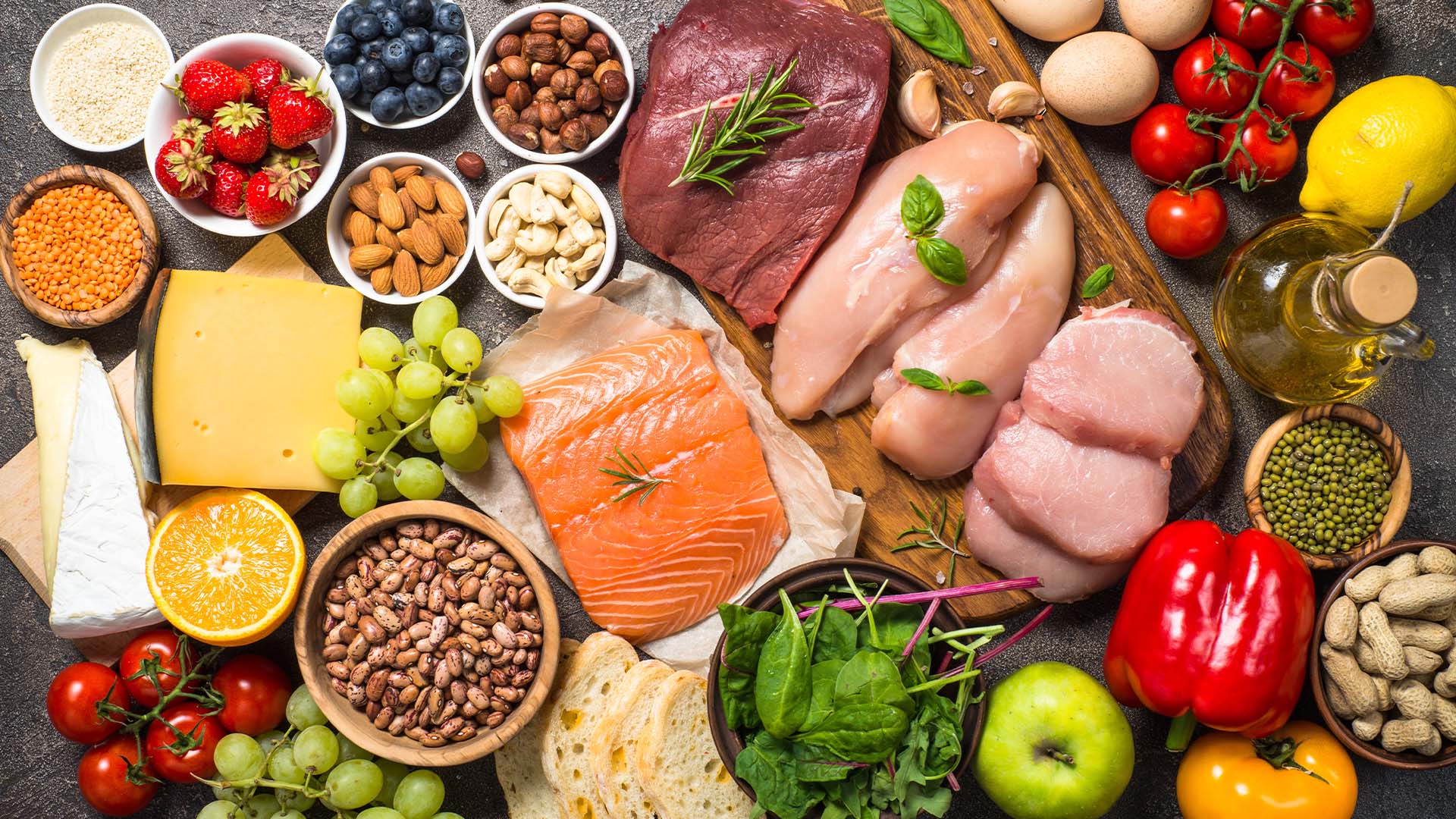
Ubiquinol, the active antioxidant form of CoQ10, is naturally present in some meats, fish, nuts, and vegetables. But even with a balanced diet, it’s nearly impossible to get enough from food alone. See how much you’d need to eat to match one Kaneka Ubiquinol® softgel.


Cooking and digestion reduce the amount of Ubiquinol your body can absorb from food. Plus, your ability to convert CoQ10 to Ubiquinol declines with age. That’s why even a healthy diet should be paired with a high-quality Ubiquinol supplement.
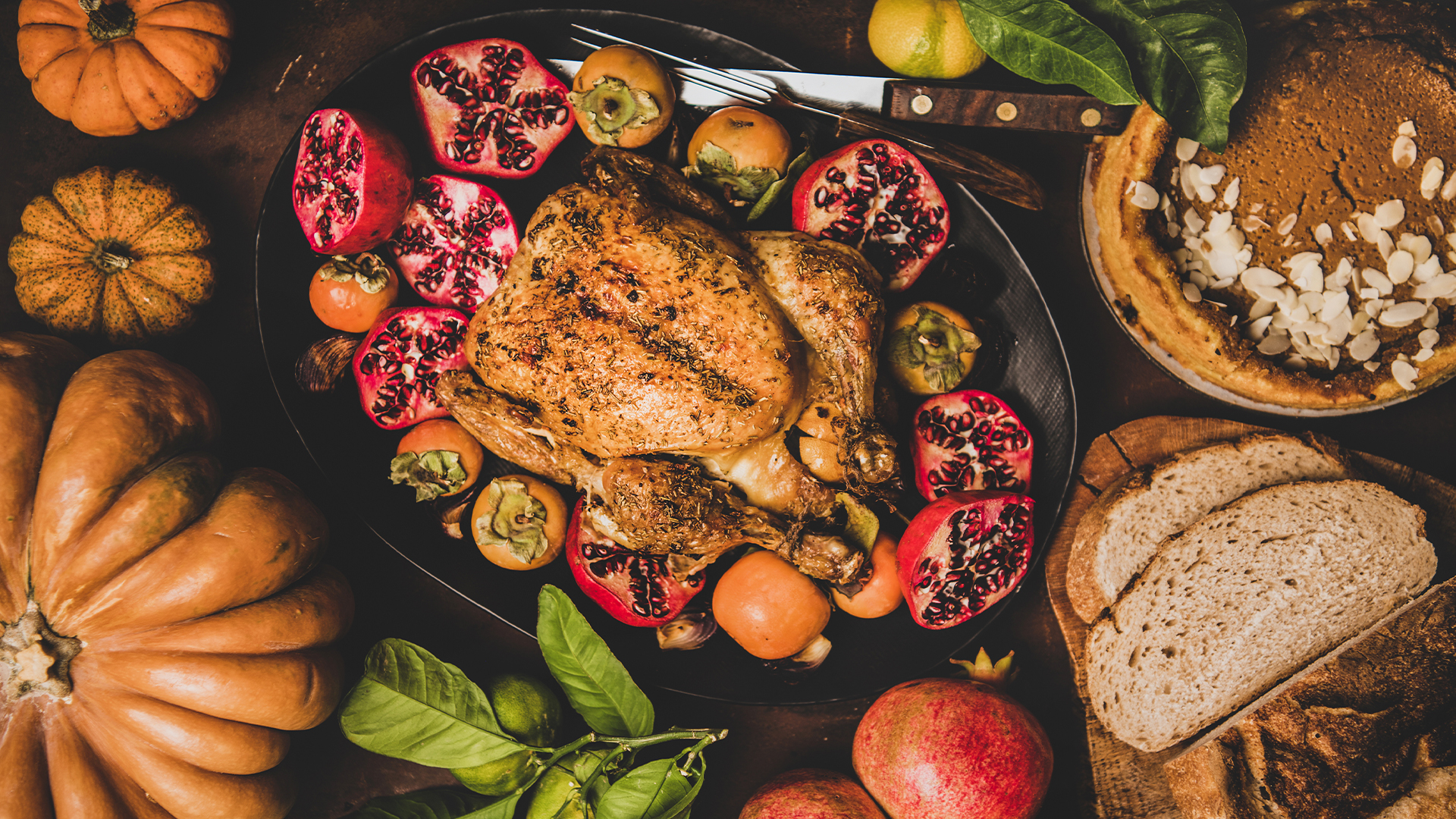
These foods still bring nutritional value and can be part of your heart-smart routine.
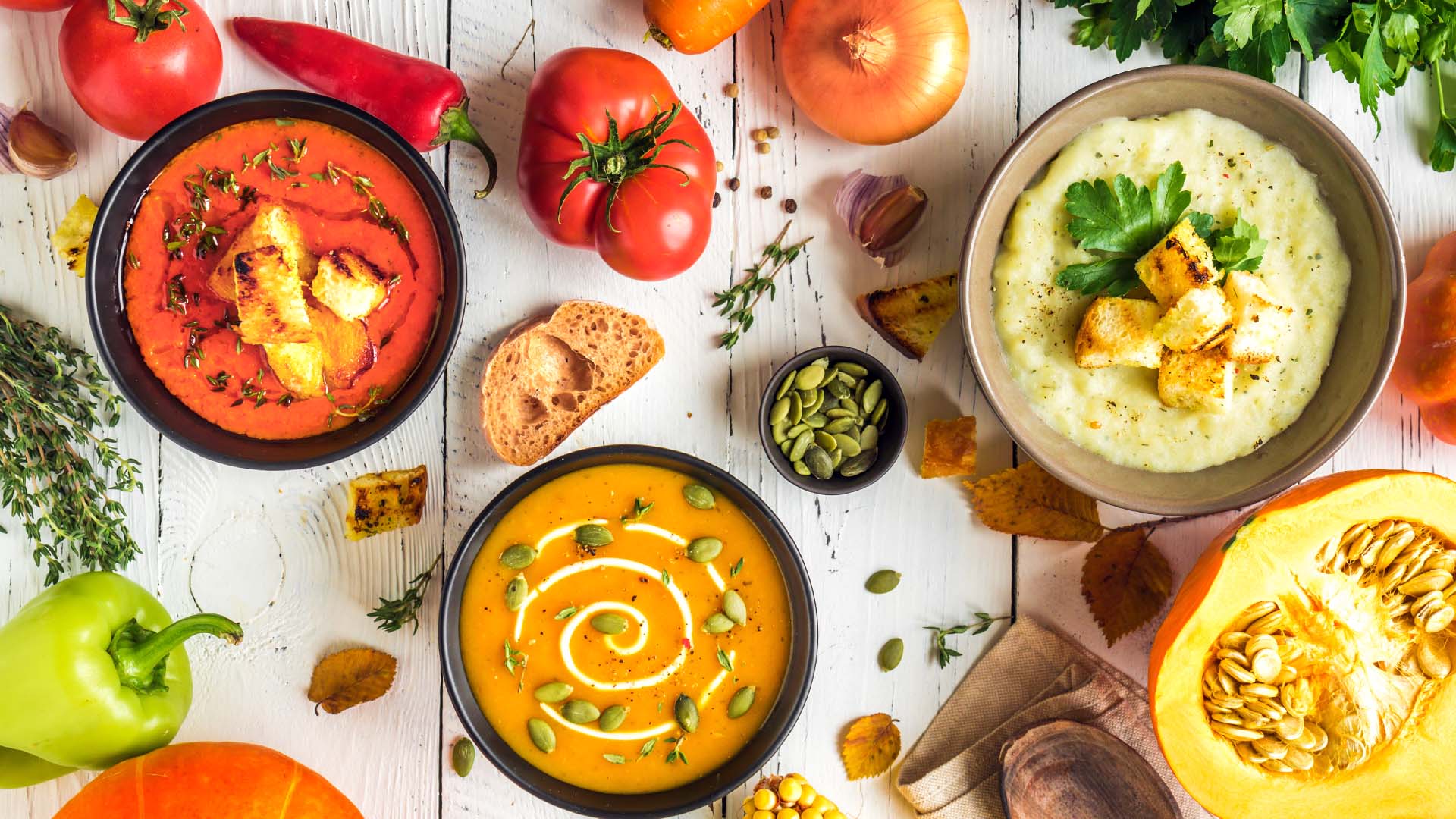
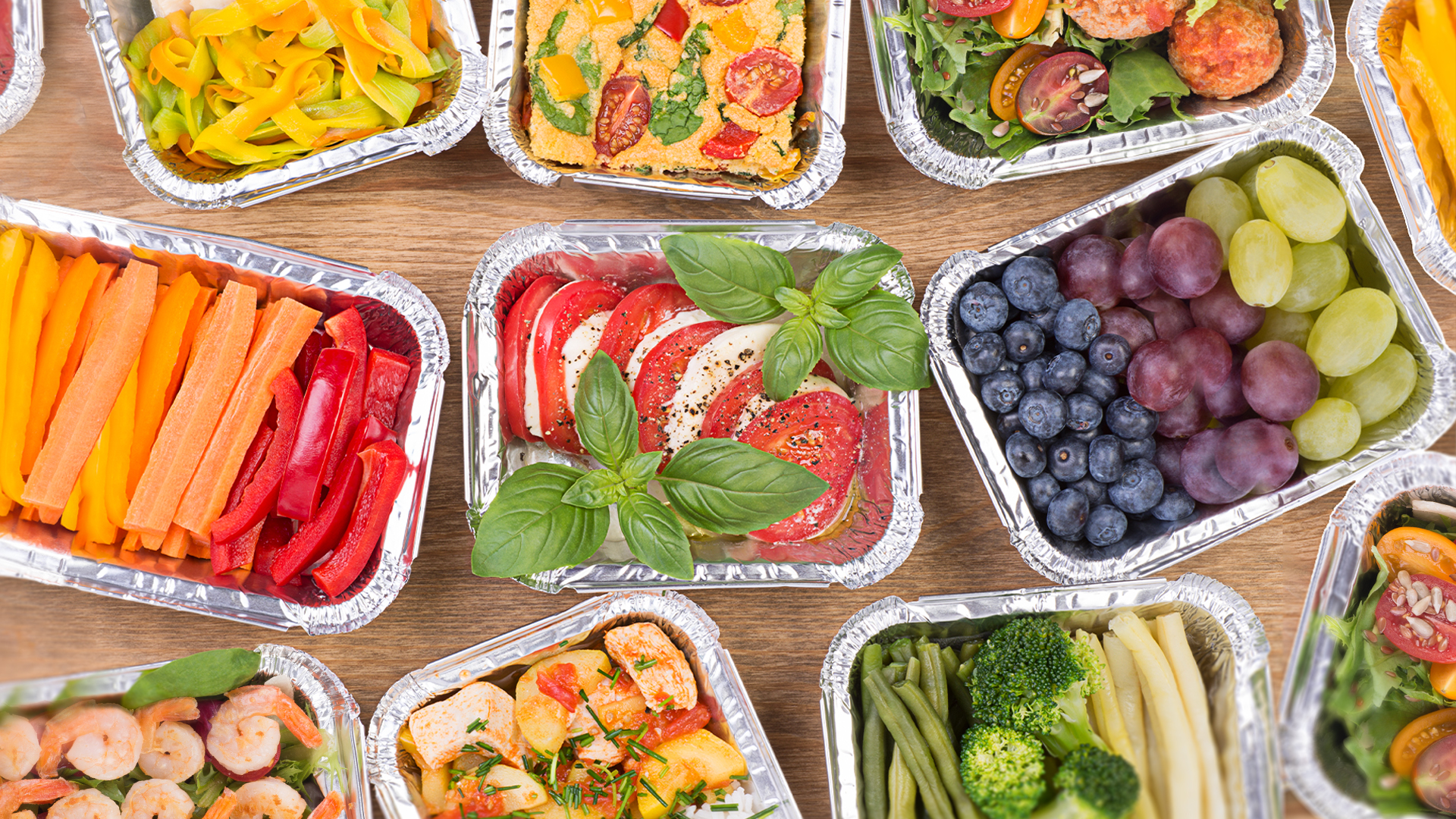
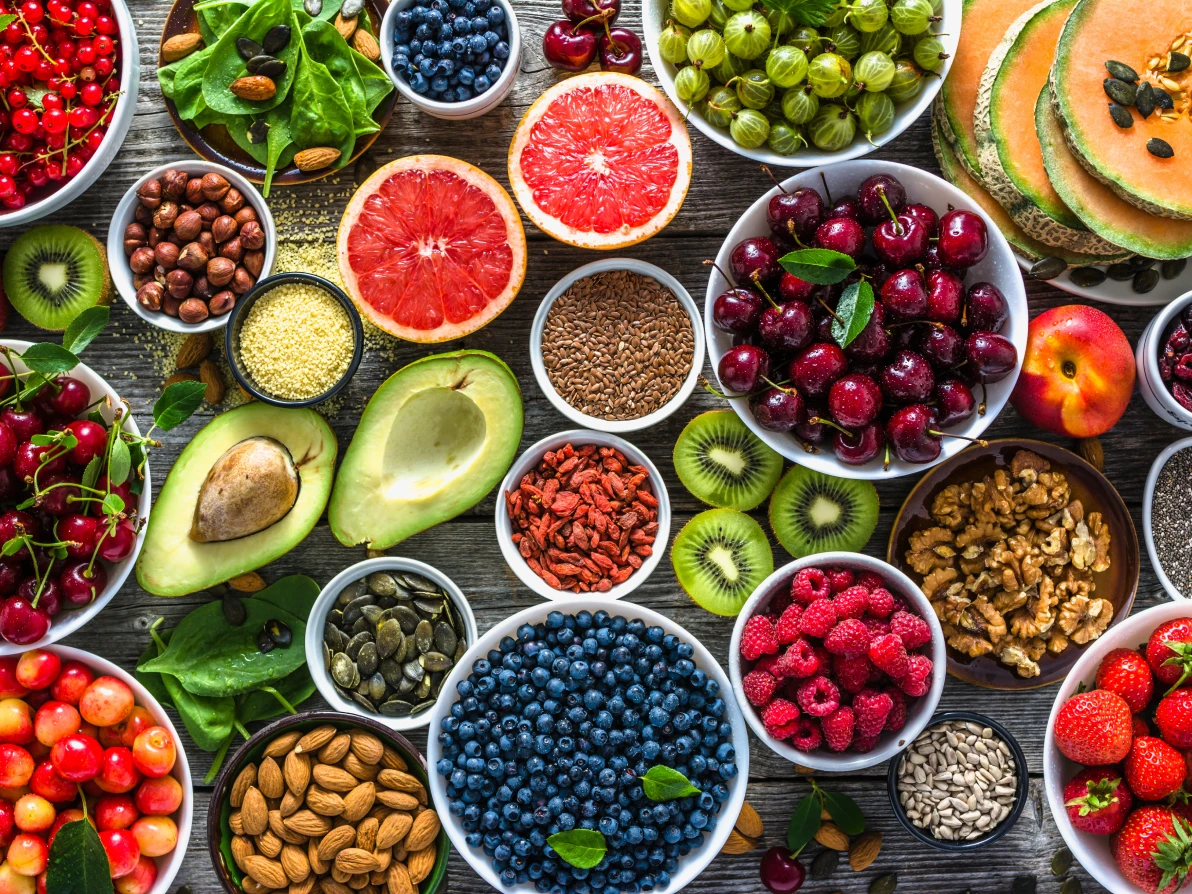
A healthy diet includes antioxidants, fiber, healthy fats, and vitamins. These nutrients, along with Kaneka Ubiquinol®, support heart health, healthy aging, and more. Explore our nutritionist-crafted recipes for delicious and healthy meals. While some foods contain ubiquinol, Kaneka Ubiquinol® supplementation remains important. In fact, it may be the best option for addressing this deficiency in individuals with low ubiquinol levels.
Fatty fish like salmon, tuna, and sardines are rich in omega-3s and contain small amounts of ubiquinol. They support heart health, brain function, and cellular energy production, adding both nutrients and flavor when grilled, baked, or in salads.
Organ meats, especially beef liver, are packed with vitamins, minerals, and ubiquinol. Providing B12, iron, and protein, small portions add rich flavors and nutrition, supporting a balanced diet even if they don’t match levels provided by supplements.
Nuts and seeds like almonds, peanuts, and sesame provide protein, healthy fats, and trace amounts of ubiquinol. They make nutrient-dense snacks or meal ingredients, supporting heart health and cellular energy, whether added to salads, smoothies, or on their own.
Leafy greens like spinach, kale, and broccoli offer vitamins, minerals, fiber, and small amounts of ubiquinol. Low-calorie and antioxidant-rich, they support heart health and wellness, adding nutritional value to salads, smoothies, and more.
Find quick answers to common questions about getting ubiquinol from food, how cooking affects it, and why supplements may still be important.