Buy Ubiquinol Now
HAPPY HEALTHY AGING MONTH!
Celebrate with 25% off sitewide at NewQ. Use code HEALTHYAGING.
SHOP NOW →HAPPY HEALTHY AGING MONTH!
Celebrate with 25% off sitewide at NewQ. Use code HEALTHYAGING.
SHOP NOW →
You’ve likely heard health experts, friends, and even headlines mention the importance of antioxidants for long-term wellness—but what do they actually do? While antioxidants support many aspects of health, one of their most vital roles is helping the body age well by protecting cells from oxidative stress.
We’ll explore what antioxidants really do, how they function in the body, and why ubiquinol deserves a place in your wellness routine.

If you’ve ever wondered what an antioxidant actually is, you’re not alone. In simple terms, antioxidants are molecules that donate electrons to molecules with unpaired electrons to help prevent the oxidation of other molecules. And if “oxidation of other molecules” isn’t a familiar phrase, don’t worry—we’ll explain what it means.
Oxidative stress occurs when the body has an imbalance of antioxidants and free radicals — molecules that are produced naturally during processes like turning food into cellular energy or arise from environmental factors (like pollution or cigarette smoke). While free radicals are a natural occurrence, they seek electrons, and too many of them without enough antioxidants to provide electrons and balance them out can cause cellular oxidative stress. This damages mitochondria, contributing to premature aging.1
Imagine the body’s cells are like a bookshelf. At first, the bookshelf is clean and bright. Over time, dust will start to accumulate on the bookshelf. Some dust is natural and normal, but without routine, proper maintenance, the bookshelf can become overrun with dust, making it hard to make out what books are on the shelf. Antioxidants work like a reliable cleaning system — constantly neutralizing and clearing out excess free radicals so everything stays in better condition.
The key strength of antioxidants lies in their ability to keep oxidative stress from damaging cells. By offering this protection, ubiquinol’s antioxidant properties support cells in maintaining their structure and function — allowing the body to operate as it should. Antioxidants are small but mighty protectors of cellular health. Although you might not see these processes, they are integral to building a healthy lifestyle. If you’re wondering what types of natural cellular functions ubiquinol supports, below are a few main ones:
Intentionally breaking damaged parts of the mitochondria off of the cell to be discarded or be used by other parts of the body
Generating new cells by combining cell materials and mitochondria
Programming regular cell expiration so that unusable cells can be removed
Removing and disposing of old or damaged mitochondria to protect cell health
Antioxidants are essential players in overall health and healthy aging, and luckily, they’re accessible from a variety of sources. The body draws antioxidant support from:
Anyone looking to improve their overall health should be familiar with the power of ubiquinol: the naturally occurring, active antioxidant form of CoQ10 that is critical for various processes like producing cellular energy and protecting cells from unwanted damage.
We explore ubiquinol’s role in supporting healthy aging, heart health, cellular energy, mitochondrial health, oxidative stress protection, menopause, stress management, and an active lifestyle on our other informational pages.
Ubiquinone versus UbiquinolThere are three main ways ubiquinol’s antioxidant qualities protect cells from damage:
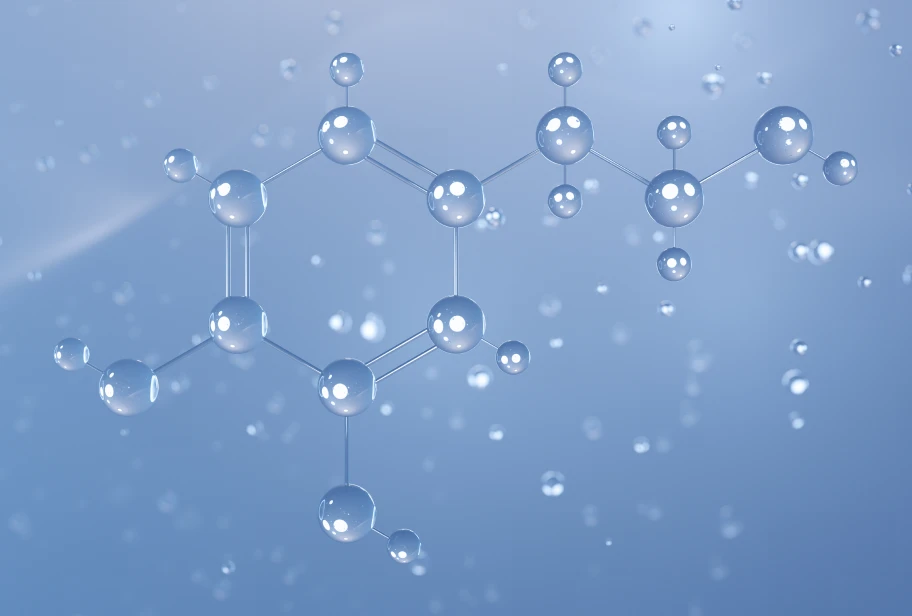
Free radicals concentrate in the mitochondria because they are a natural byproduct of cellular energy production, and that’s where cellular energy is produced. Ubiquinol is predominantly found in the mitochondria, so it can efficiently defend against oxidative stress and keep the balance of antioxidants and free radicals in check.2,3
Unlike most other antioxidants, ubiquinol protects crucial lipid-based cellular structures like cell and mitochondrial membranes from oxidative damage.


Ubiquinol helps protect LDL cholesterol from oxidizing and becoming unhealthy cholesterol, playing a key role in supporting heart health4 — particularly vessel health and circulatory function.5
As an antioxidant, ubiquinol is a crucial defender against oxidative stress and cellular damage. While we can rely on the naturally occurring ubiquinol in our bodies, supplementation is a great way to ensure your body is getting the support it needs at all adult stages of your life, especially as you age and your ubiquinol levels start to decline.

Taking a daily Kaneka Ubiquinol® supplement is a healthy decision for your overall wellness, and it’s not the same as taking a conventional CoQ10 supplement. Here are some ways the Kaneka Ubiquinol® supplement offers the antioxidant support your body needs: