Buy Ubiquinol Now
HAPPY HEALTHY AGING MONTH!
Celebrate with 25% off sitewide at NewQ. Use code HEALTHYAGING.
SHOP NOW →HAPPY HEALTHY AGING MONTH!
Celebrate with 25% off sitewide at NewQ. Use code HEALTHYAGING.
SHOP NOW →
You’ve likely heard the term “antioxidant” in conversations about free radicals and general health. But many people aren’t clear on how these concepts are connected (or what antioxidants actually do in the body).
Let’s review the science behind antioxidants: how they promote cellular function and their benefits for overall health. We’ve also included simple, stress-free ways to incorporate more antioxidants into your diet to support your energy levels, mitochondrial function, cognitive health, and wellness journey.
Antioxidants are compounds that help neutralize unstable molecules in your body called free radicals. They work by donating electrons to stabilize these molecules and prevent chemical reactions that cause cellular damage.1
Antioxidants are a diverse group of compounds with different roles. The table below highlights common antioxidants found in the diet, their key functions, and where to find them in everyday foods.
| Antioxidant (Type) | Key Functions in the Body | Food Source Examples |
|---|---|---|
| Vitamin C (a vitamin antioxidant) |
Supports immune health and helps regenerate other antioxidants2 | Citrus, bell peppers, strawberries |
| Vitamin E (a vitamin antioxidant) |
Protects cell membranes and supports healthy blood vessel function3 | Nuts, seeds, spinach, avocado |
| Selenium (a mineral antioxidant cofactor) |
Supports DNA synthesis and protects against oxidative damage4 | Brazil nuts, fish, eggs, brown rice |
| Beta-Carotene (a carotenoid antioxidant; precursor to Vitamin A) |
Supports cellular health and eye function5 | Carrots, sweet potato |
| Lutein (a carotenoid antioxidant) |
Helps protect eye tissues from free radical damage | Kale, spinach |
| Lycopene (a carotenoid antioxidant) |
Supports antioxidant protection across multiple body systems6 | Tomatoes, watermelon |
| Anthocyanins (flavonoid antioxidants, a subgroup of polyphenols) |
Helps regulate the oxidant/antioxidant balance | Berries (dark cherries, blueberries, strawberries) |
| Catechins (flavonoid antioxidants, a subgroup of polyphenols) |
Supports vascular health and healthy aging processes | Green tea |
| Ubiquinol (the active antioxidant form of CoQ10) |
Supports mitochondrial function, cellular energy production, heart health, and healthy aging7,8 | Fatty fish, organ meats, almonds, mushrooms |
This is not a complete list of antioxidants. In fact, there are likely thousands of antioxidants out there!9
Understanding the different types of antioxidants (or compounds that act as antioxidants) is helpful as you think through your eating habits and lifestyle.
With all the chatter around antioxidants, you have probably heard of ubiquinol, the active antioxidant form of CoQ10. Ubiquinol is naturally produced in the body and is bioavailable. This means your cells can efficiently use it where it’s needed most (especially in the mitochondria of your cells).7
What makes ubiquinol so notable is its location and concentration in mitochondrial membranes, lipid-solubility, and ability to donate electrons directly to neutralize free radicals, helping protect your cells from oxidative damage.7
Research shows that it promotes mitochondrial health, cellular energy production, and cellular wellness, making it a key player in maintaining your body’s overall health.
Some of the main ways ubiquinol supports your health include:7
As a powerful antioxidant, ubiquinol from supplements complements the antioxidants you get from a nutrient-rich diet, helping keep free radicals in check and supporting long-term wellness.7
Antioxidants counteract free radicals before they damage cells.1 To understand why this matters, it helps to know a few things about the antioxidant/free radical relationship.
Your body naturally produces free radicals during metabolic processes. Most are generated inside the mitochondria, where cellular energy is made.1 Free radicals are not inherently “bad.” In small amounts, they play roles in cellular signaling, immune defense, and wound healing.9,10 Problems arise when they accumulate.
Free radicals can increase with:1
Free radicals are unstable because they are missing an electron. To stabilize, they steal electrons from nearby molecules (e.g., proteins, fats, DNA).1 When free radicals outnumber available antioxidants, oxidative stress occurs.
Over time and left unchecked, oxidative stress can:11
Oxidative stress is an imbalance between antioxidants in the body and free radicals, including specific kinds of radicals called reactive oxygen species (ROS). If the body does not have enough antioxidants to control free radical damage, ROS can build up over time, damaging cells and contributing to premature aging.12
This is why the relationship between antioxidants, free radicals, and cellular balance matters. It affects how efficiently your cells function and how effectively your body maintains overall wellness.
Imagine the body’s cells are like a bookshelf. At first, the books on the bookshelf are clean, but over time, dust starts to accumulate. Some dust is natural and normal, but without routine, proper maintenance, the bookshelf can become overrun with dust, making it hard to make out what books are on the shelf.
Antioxidants work like a reliable cleaning system, constantly neutralizing and clearing out excess free radicals so everything stays in better condition. As a result, antioxidants promote:
Research consistently shows that balanced diets that contain foods with antioxidants and limit unhealthy saturated fats, sodium, and added sugars are associated with improved metabolic and cardiovascular health and cognitive function, which benefit healthy aging. Dietary patterns such as the Mediterranean and MIND (Mediterranean-DASH Intervention for Neurodegenerative Delay) approaches demonstrate measurable benefits that extend beyond heart health to brain health to reducing the risk of certain types of cancer.13
To Summarize the Process:
Antioxidants support the biological processes that keep your cells functioning properly. When your cells function well, cellular energy production is maintained, tissues function effectively, and cellular wellness stays regulated.
Get the Guide: Is Your Healthy Diet Enough to Support a Healthy Lifestyle?
Luckily, antioxidants aren’t hard to find. Even our everyday staples (like oranges and oatmeal) supply antioxidants. Let’s review some food sources (and some of the antioxidants they provide):
|
Fruits
|
Vegetables
|
|
Legumes and Nuts
|
Proteins
|
|
Beverages
|
Other
|
Consuming a mix of colorful fruits and vegetables, whole grains, legumes, nuts, and beverages that contain antioxidants is the simplest way to provide your body with the nutrients it needs to maintain proper function.
Antioxidants do more than neutralize tiny free radicals in your body. Incorporating foods that contain antioxidants can also support:
Eating a healthy diet with antioxidants is important for general wellness, but it may not be enough to address all your nutrient needs, particularly when it comes to ubiquinol. Adding a Kaneka Ubiquinol® supplement to your daily routine promotes healthy ubiquinol levels for powerful antioxidant support, which is especially important as we age.
Incorporating antioxidants doesn’t require complicated recipes or expensive superfoods. Take a look at our sample menu below for some swaps for foods that contain antioxidants.
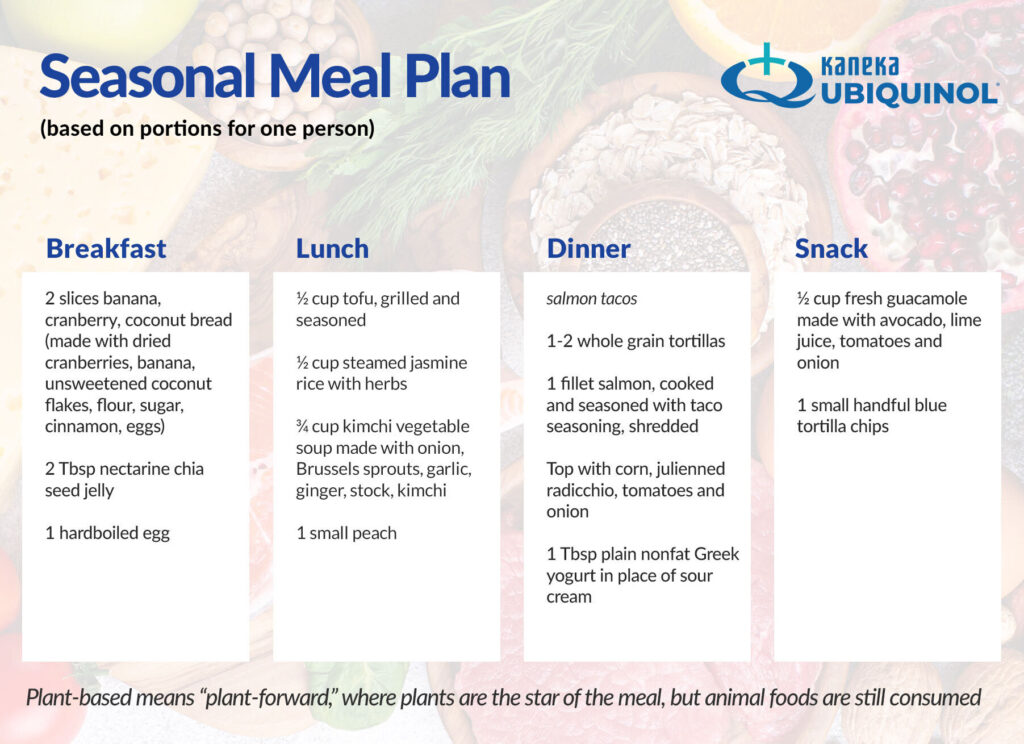
Other easy tips to add antioxidants to your diet include:
Small, consistent changes (like adding one plant-based food that supplies antioxidants per meal) can significantly improve your diet quality and support cellular health.
The right foods are always a good source of antioxidants. However, in real life, it’s not always possible to consume the necessary amounts of specific antioxidants every day. In these instances, targeted supplementation can help complement a well-balanced diet.
For example, Kaneka Ubiquinol® provides a bioavailable form of ubiquinol that works within the mitochondria (the area of the cell where most oxidative activity occurs). This targeted support makes it a practical addition to a comprehensive wellness routine.
Always talk to a qualified health care provider to determine whether you are getting all of the nutrients you need and before starting a new supplement.
Supporting your body with antioxidants starts with a balanced, nutrient-rich diet. Colorful fruits, vegetables, nuts, legumes, and other antioxidant-containing foods provide a foundation for cellular health, energy production, and overall wellness.
For many health-conscious individuals, diet can provide strong support, but sometimes dietary intake or the body’s natural production of an antioxidant may not be enough to fully meet the body’s needs.
That’s where supplementation can be helpful. Kaneka Ubiquinol®, the active antioxidant form of CoQ10, is easy to incorporate into your daily routine. It works inside your cells to neutralize free radicals, support mitochondrial function, and promote overall cellular wellness.
What sets Kaneka Ubiquinol® apart as a trusted wellness ally?
Alongside a balanced diet, Kaneka Ubiquinol® supplementation gives you a science-backed way to support your cellular health and overall wellness.
Read More: Eating Well with Ubiquinol
*A health-promoting diet focuses on a variety of nutrient-dense foods, including vegetables, fruits, whole grains, lean proteins, and healthy fats from nuts and plant oils. Limit intake of both saturated fat and added sugars to less than 10% of your daily calories, and sodium to less than 2,300 mg per day. 2,000 calories a day is used for general nutrition advice, but your calorie and other nutrient needs may vary. For dietary guidance specific to you, consult a healthcare provider.

Sign up for our Kaneka Ubiquinol® Newsletter & get tips and resources on cellular wellness, healthy aging, heart health, supplement facts more – delivered right to your inbox.
"*" indicates required fields

If you’re trying to eat healthier, you’ve probably encountered conflicting nutrition advice that leaves you feeling more confused than inspired. From avoiding carbs to plant-based...
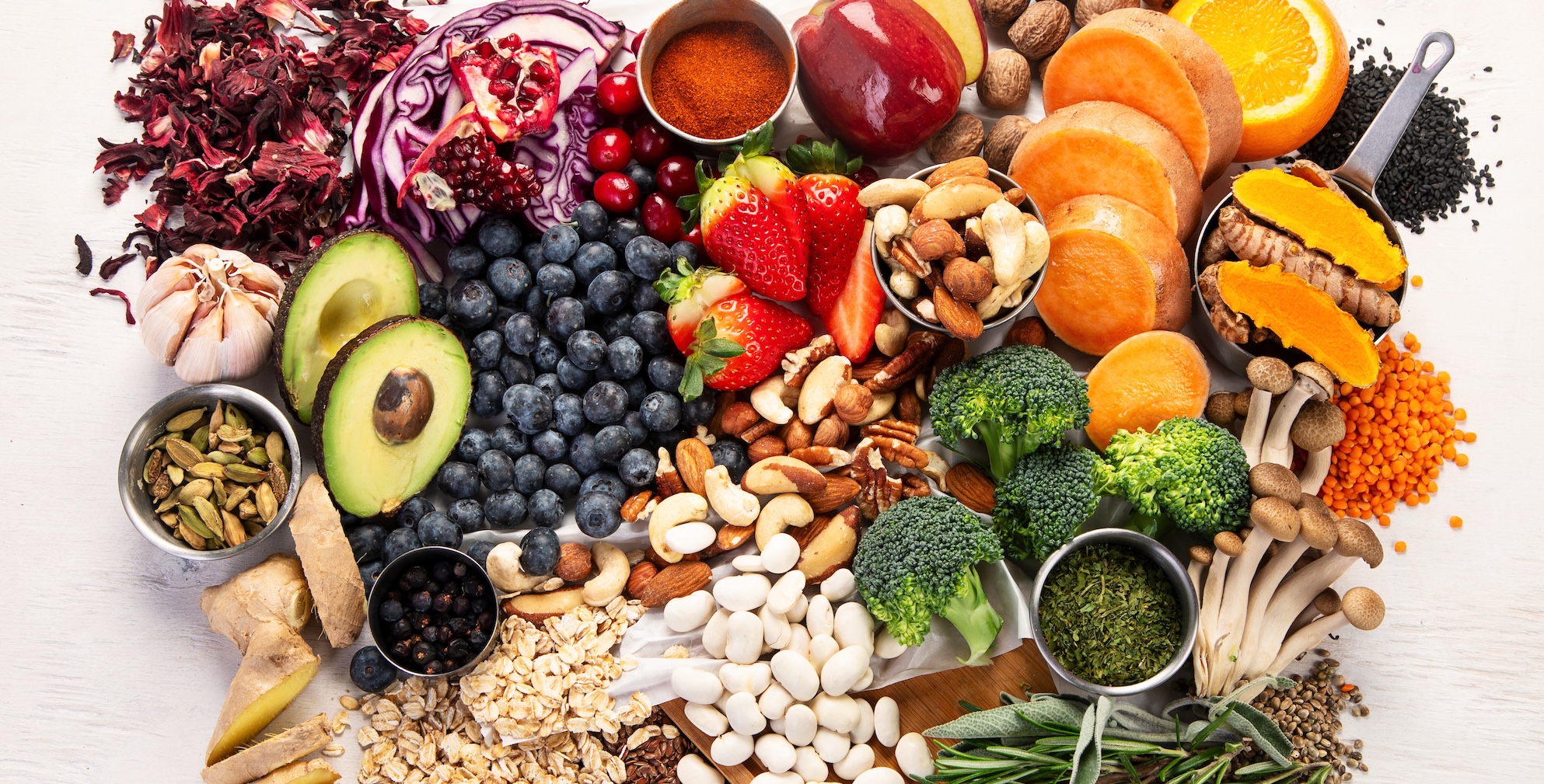
You’ve probably heard of ubiquinol, but what role does it play in your health — or your meals? Ubiquinol, the active antioxidant form of CoQ10,...

For generations, women have been asked to navigate their health with incomplete information. Until the early 1990s, women were largely excluded from U.S. medical research,...