Buy Ubiquinol Now
HAPPY HEALTHY AGING MONTH!
Celebrate with 25% off sitewide at NewQ. Use code HEALTHYAGING.
SHOP NOW →HAPPY HEALTHY AGING MONTH!
Celebrate with 25% off sitewide at NewQ. Use code HEALTHYAGING.
SHOP NOW →
If you’re trying to eat healthier, you’ve probably encountered conflicting nutrition advice that leaves you feeling more confused than inspired. From avoiding carbs to plant-based eating to Whole30 and other trending diets, knowing where to start can feel impossible.
Superfoods might be a “secret” you’re overlooking. Superfoods are nutrient-dense foods that naturally support overall wellness when incorporated into a balanced diet. While “superfoods” isn’t an official nutritional category, it refers to foods with exceptional nutritional profiles — think foods packed with vitamins, minerals, antioxidants, and compounds that support various bodily functions.
Below are 10 superfoods that can help support heart health and some practical tips for adding them to your meals — all reviewed by a registered dietitian. Plus, you can download a free meal plan to help you get started with incorporating these nutrient-rich foods into your routine.
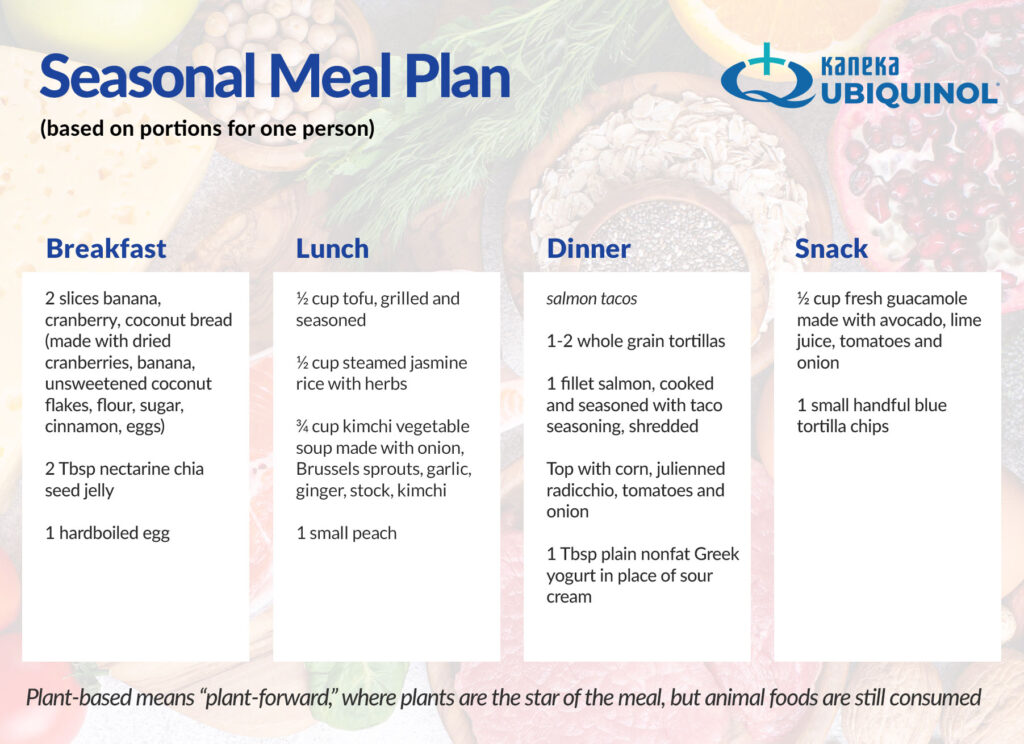
They might not be an official nutritional category, but superfoods must meet certain criteria to be considered “super.” These nutritional powerhouses share three key characteristics that set them apart:
While superfoods are key to a healthy diet, they are not the whole picture: variety matters more than any single “superfood.” These foods work best as part of an overall balanced diet filled with diverse, whole ingredients.
According to a survey by Today’s Dietitian and Pollock Communications, superfoods continue to rank among the top nutrition trends that dietitians recommend to their clients. Here’s a quick reference for the superfoods we’ll explore:
| Superfood | Key Nutrients | Primary Heart Health Benefit |
|---|---|---|
| Leafy Dark Greens | Vitamins A, C, K, Flavonoids | Antioxidants support cardiovascular tissue |
| Fatty Fish | Omega-3 Fatty Acids | Supports cardiovascular function |
| Berries | Antioxidants, Fiber | Helps protect heart health |
| Nuts & Seeds | Healthy Fats, Omega-3s, Fiber | Supports healthy cholesterol balance |
| Avocados | Monounsaturated Fats, Fiber | Maintains healthy cholesterol levels |
| Beans & Legumes | Fiber, Plant Protein | Supports healthy cholesterol levels |
| Ancient Grains | Fiber, Plant Protein | Supports digestive and heart health |
| Fermented Foods | Probiotics | Gut health influences overall wellness |
| Green Tea | Catechins, Antioxidants | Supports cardiovascular wellness |
| Olive Oil | Monounsaturated Fats | Helps maintain cholesterol balance |
Dark leafy greens are full of antioxidants that protect cardiovascular tissue and support heart health. These nutritional powerhouses contain vitamins A, C, and K, along with flavonoids — compounds that research suggests may help support healthy cholesterol and cellular function.
Spinach, kale, Swiss chard, and collard greens also provide fiber and hydration (thanks to their high water content), making them satisfying additions to any meal. The antioxidants in these greens help protect your cardiovascular system by neutralizing free radicals (molecules seeking electrons) and preventing cellular damage caused by an excess of free radicals (called “oxidative stress”). This antioxidant protection is crucial for maintaining heart health and healthy aging.
Read More: Discover the Power of Antioxidants
Fatty fish are among the best dietary sources of omega-3 fatty acids, which support cardiovascular function and overall wellness. Salmon, sardines, and mackerel contain these essential fats that your body can’t produce on its own.
Omega-3s support your cardiovascular system by helping maintain healthy arterial/vascular function and supporting healthy cholesterol. Plus, unlike red meat, fatty fish are lower in saturated fat, making them also an excellent protein choice.
Our recipe for herby fish with wilted greens & mushrooms makes getting the recommended two to three servings a week simple and delicious.
Berries are rich in antioxidants that support cardiovascular wellness and protect against oxidative stress. Blueberries, strawberries, raspberries, and blackberries contain flavonoids, are high in fiber, and are low in calories — making them perfect for snacking or adding to meals. They provide essential vitamins and minerals while satisfying your sweet tooth naturally. Toss them into smoothies, yogurt, oatmeal, or salads for a nutritious boost.
Read More: Start Your Day With Our Breakfast-Blueberry Oatmeal Cakes
Nuts and seeds deliver a number of nutritional benefits, making them a star superfood. They have healthy unsaturated fats, plant sterols, and fiber that support a healthy cholesterol balance. They also contain alpha-linolenic acid (ALA), a plant-based omega-3 that supports cardiovascular wellness.
Almonds, walnuts, pistachios, and pecans offer healthy fats alongside plant-based protein. Seeds like chia, flax, and hemp provide similar benefits, but in smaller packages. Nuts and seeds also contain antioxidants and plant-based protein, helping you feel fuller longer. A one-ounce handful daily is a good goal to ensure you are taking advantage of these tiny but mighty foods.
Avocados are more than a base for guacamole: they are packed with monounsaturated fats that support healthy cholesterol balance by helping to raise HDL (the “good” cholesterol) while maintaining healthy LDL levels. These creamy fruits also contain antioxidants and are a great plant source of ubiquinol.
Ubiquinol is the active antioxidant form of CoQ10 and is essential for cellular energy production, mitochondrial function, heart health, and more. While many foods contain ubiquinol, like avocados, those foods may not contain enough ubiquinol to maintain healthy levels. A daily Kaneka Ubiquinol® supplement can help fill this dietary need.
That said, you would need to eat about 60 avocados to get the same amount of CoQ10 found in a 100mg Kaneka Ubiquinol® supplement. So if you are focused on getting enough ubiquinol, avocados offer many benefits but may not be your most practical source of ubiquinol.
Beyond healthy fats, avocados provide fiber and potassium, which are both important for cardiovascular wellness. They’re also versatile: spread them on toast, add them to salads or smoothies, or use mashed avocado as a butter or mayo substitute.
Read More: Discover Other Tips on Maintaining Cholesterol
Beans and legumes offer fiber and plant-based protein that support healthy cholesterol levels and help keep you full. Lentils, chickpeas, kidney beans, and black beans are affordable, shelf-stable options that pack serious nutritional value.
The soluble fiber in beans binds to cholesterol in your digestive system, helping your body eliminate it naturally. Beans also digest slowly, helping you feel satisfied longer and avoiding energy crashes.
Add beans to soups, salads, and grain bowls, or make a hearty veggie chili. Eating more beans is an easy way to increase your fiber and protein intake while supporting your health.
Read More: Add Nutrition to Burger Night With Cannellini Bean Burgers
Not all grains are created equal. Ancient grains provide fiber that supports digestive wellness and heart health. Unlike refined grains, which are stripped of nutrients during processing, ancient grains retain their nutritional value. In general, try to diversify your ancient grains and plant-based proteins to ensure you’re getting all the essential amino acids.
Quinoa, farro, amaranth, teff, and bulgur offer more nutrients than white rice or refined pasta, making them smart substitutes. Plus, their higher fiber content supports healthy digestion and cardiovascular function. Start swapping plain white rice and pasta for these superfood grains with plant-based meal ideas for bowls, salads, and sides.
Fermented foods contain probiotics that support gut health, which influences overall wellness. Kimchi, sauerkraut, yogurt, kefir, and miso introduce beneficial bacteria to your digestive system. Many fermented foods also provide additional vitamins and fiber, making them nutritious additions to your diet beyond their probiotic content.
If you’re new to fermented foods, start small and gradually increase your daily intake. Look for products labeled with “live, active cultures” to ensure you’re getting probiotic benefits.
Green tea is rich in catechins and antioxidants that support cardiovascular wellness. These plant compounds help protect your heart and blood vessels from cellular damage — and it can serve as a pick-me-up. Green tea contains moderate caffeine (less than coffee but enough to provide gentle energy), but many people enjoy it throughout the day or in the evenings. Even the decaf versions provide the same benefits and are more hydrating without the caffeine. Aim for two or three cups daily to reap its full wellness benefits.
Olive oil supports healthy cholesterol balance and serves as a cornerstone of the Mediterranean diet, which research consistently associates with heart health. Extra virgin olive oil (EVOO) is the least processed form and contains the most antioxidants.
When you replace saturated fats like butter and shortening with olive oil, you support your body’s ability to maintain healthy cholesterol and promote your well-being. Use olive oil for cooking, in salad dressings, or drizzled over vegetables. In general, read labels carefully to ensure you’re getting pure olive oil.
Read More: Download Your Copy of Our Free Mediterranean Cookbook
These superfoods have amazing benefits for your wellness routine, but no single food is a complete solution for overall health. Balance matters more than restriction, and the key is variety and consistent healthy choices throughout the week, not perfection at every meal.
This means building meals around whole foods from multiple food groups, and try to include three to five different superfoods throughout the day. For example, add berries at breakfast, leafy greens at lunch, and fatty fish at dinner.
Remember: You don’t need to overhaul your entire diet overnight. Here are some tips to make simple swaps that support general wellness:
When you combine nutrient-dense superfoods with other wellness practices, you create a foundation for lasting health.
Read More: Explore Our Eating Well Resources for More Hacks
As the active antioxidant form of CoQ10 (also called ubiquinone), ubiquinol is a naturally occurring compound your body needs for cellular energy production. When the body converts ubiquinone to ubiquinol, the process generates cellular energy to keep the body functioning. Yet, this production declines with age, particularly after age 40.
Dietary sources of ubiquinol are limited, primarily in organ meats and fatty fish. Even with a balanced diet rich in these foods, you may not get adequate levels of this important nutrient.
A daily Kaneka Ubiquinol® supplement complements these efforts by helping support your body’s natural energy production at the cellular level. It supports mitochondrial function and cellular wellness when paired with a balanced diet rich in nutrient-dense superfoods. Healthy lifestyle habits — including eating superfoods like those listed above, exercising regularly, managing stress, and getting adequate sleep — create a foundation for overall wellness.
You don’t need a complete dietary overhaul to reap the benefits of superfoods. Try one or two new superfoods this week. Focus on adding nutritious foods rather than eliminating your favorites, because small, sustainable changes lead to lasting habits that benefit your health. And here’s the best part: healthy eating doesn’t have to be bland or boring. These superfoods prove that healthy meals can be delicious, satisfying, and simple.
Download our free Healthy Diet & Supplement Guide for additional resources that help you get the most out of a wellness routine with superfoods, supplements, and more.
*A health-promoting diet focuses on a variety of nutrient-dense foods, including vegetables, fruits, whole grains, lean proteins, and healthy fats from nuts and plant oils. Limit intake of both saturated fat and added sugars to less than 10% of your daily calories, and sodium to less than 2,300 mg per day. 2,000 calories a day is used for general nutrition advice, but your calorie and other nutrient needs may vary. For dietary guidance specific to you, consult a healthcare provider.

Sign up for our Kaneka Ubiquinol® Newsletter & get tips and resources on cellular wellness, healthy aging, heart health, supplement facts more – delivered right to your inbox.
"*" indicates required fields
You’ve likely heard the term “antioxidant” in conversations about free radicals and general health. But many people aren’t clear on how these concepts are connected...
You’ve probably heard of ubiquinol, but what role does it play in your health — or your meals? Ubiquinol, the active antioxidant form of CoQ10,...

For generations, women have been asked to navigate their health with incomplete information. Until the early 1990s, women were largely excluded from U.S. medical research,...