Buy Ubiquinol Now
HAPPY HEALTHY AGING MONTH!
Celebrate with 25% off sitewide at NewQ. Use code HEALTHYAGING.
SHOP NOW →HAPPY HEALTHY AGING MONTH!
Celebrate with 25% off sitewide at NewQ. Use code HEALTHYAGING.
SHOP NOW →

Updated on October 16, 2023
The autumn harvest is coming in, and your local grocery store or farmer’s market may be brimming with seasonal fall produce!
In this post, we’ll talk about how to eat healthy during the fall. We’ll discuss what great, nutritious fall foods are available and give you some tips to improve your diet quality during this bountiful season.
Fall is one of the best times to eat locally and seasonally. To find the best produce right now, you need to know what foods are in season in the fall in your geographical area. Seasonal eating helps support local farmers, keeps costs at bay and gives you better tasting, more nutritious produce.
In the US, the following are at their peak in September, October and/or November:1
| Fall Fruits | Fall Vegetables |
|---|---|
| Apples | Beets |
| Cranberries | Bell peppers |
| Grapes | Broccoli |
| Pumpkin | Brussels sprouts |
| Pears | Cabbage |
| Lemons | Carrots |
| Limes | Cauliflower |
| Celery | |
| Collard greens | |
| Green beans | |
| Kale | |
| Lettuce | |
| Mushrooms | |
| Onion | |
| Parsnips | |
| Peas | |
| Potatoes | |
| Radishes | |
| Rutabaga | |
| Spinach | |
| Sweet potatoes | |
| Swiss chard | |
| Turnips | |
| Winter squash | |
| Yams |
Looking forward to warm, cozy meals and the start of the holiday season? This time of year is all about pumpkin spice lattes, apple cider donuts, Oktoberfest and Thanksgiving dinner, but it’s important to balance those treats and heavy meals with healthier choices.
Let’s help make eating healthier a little easier with our top fall nutrition tips. Whether you want to improve diet quality by limiting processed foods or simply eat more seasonal produce, these tips can help you reach your goals.
Related: How To Stay Active Over the Holidays
When it’s frosty outside, you probably don’t want a cold salad with raw veggies. For some people, a cold salad isn’t satisfying or doesn’t sit well with them. You can still get great nutrition in warm, cooked salads. And if you’re bothered by high FODMAP foods, add low FODMAP foods such as bell peppers, carrots, potatoes, pumpkin seeds and walnuts.2
Staying hydrated isn’t just for the hot summer months! In fact, as the average temperature drops, it may be harder for some people to stay hydrated since they’re not battling the heat.
Related: 5 Ways To Drink More Water
Between passing cold fronts and low indoor humidity, things can get pretty dry! To protect against dry mouth, dry skin, and general dehydration, consider adding the following to your autumn diet plan:
You might wait all year for pumpkin spice season, but you can still enjoy iconic flavors while fueling your body with great nutrition. Here are some ideas to make fall comfort foods a little healthier:
Get The Meal Plan: 12 Months Of Healthy Eating: Healthy Comfort Foods
It’s essential to get a variety of nutrients all year long, but you may want to pay special attention to certain ones in the fall. Focus on eating a well-balanced diet to include these key nutrients in your daily meal plan for fall:
Even though it is best to get nutrients from real food, talk to your provider about your need for multivitamins and other nutritional supplementation.
*A health-promoting diet focuses on a variety of nutrient-dense foods, including vegetables, fruits, whole grains, lean proteins, and healthy fats from nuts and plant oils. Limit intake of both saturated fat and added sugars to less than 10% of your daily calories, and sodium to less than 2,300 mg per day. 2,000 calories a day is used for general nutrition advice, but your calorie and other nutrient needs may vary. For dietary guidance specific to you, consult a healthcare provider.

Sign up for our Kaneka Ubiquinol® Newsletter & get tips and resources on cellular wellness, healthy aging, heart health, supplement facts more – delivered right to your inbox.
"*" indicates required fields

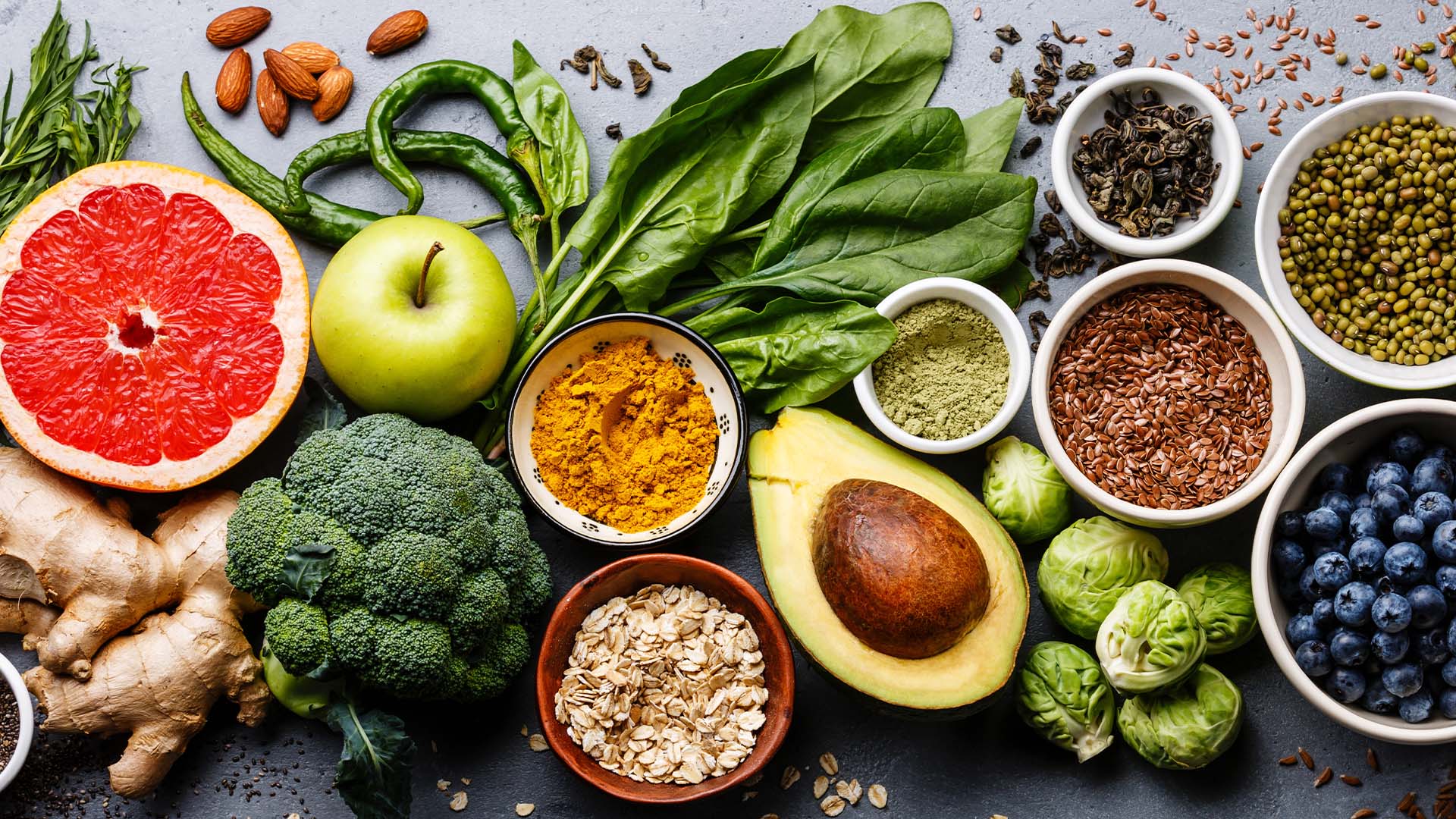
If you’re trying to eat healthier, you’ve probably encountered conflicting nutrition advice that leaves you feeling more confused than inspired. From avoiding carbs to plant-based...
You’ve likely heard the term “antioxidant” in conversations about free radicals and general health. But many people aren’t clear on how these concepts are connected...
You’ve probably heard of ubiquinol, but what role does it play in your health — or your meals? Ubiquinol, the active antioxidant form of CoQ10,...