Buy Ubiquinol Now
HAPPY HEALTHY AGING MONTH!
Celebrate with 25% off sitewide at NewQ. Use code HEALTHYAGING.
SHOP NOW →HAPPY HEALTHY AGING MONTH!
Celebrate with 25% off sitewide at NewQ. Use code HEALTHYAGING.
SHOP NOW →

Updated on May 1, 2023
The Mediterranean diet has been around for quite some time, and it remains one of the most studied diets for health and nutrition.1 In fact, it ranks as one of the “best diets overall” by US News and World Report year after year.2
In this post, we’ll give you an overview of the Mediterranean diet. This includes what it is, how to follow it safely and additional information about difficulty and supplementation.
We hope this post empowers you to make individualized dietary decisions alongside your healthcare provider.
The Mediterranean diet is so much more than enjoying red wine and fruit on an Italian vineyard! It mimics the traditional eating patterns of people living in the Mediterranean region.1,3
When crafted correctly, the diet is balanced and easy to follow. It emphasizes several key nutrients that are typically overlooked in the Western diet, more specifically:3
Next, let’s talk about how to make Mediterranean meals. We’ll also discuss health benefits and risks later on in this article.
Try It Out: Download Our Heart Healthy Mediterranean Cookbook
While there are no concrete guidelines, most Mediterranean diet patterns share similar characteristics.1 In general, you’ll notice that the Mediterranean diet is mostly plant-based and does not limit healthy dietary fat, especially from olive oil.
Wondering what your Mediterranean plate should look like? Here are some basic guidelines to follow when planning your meals:
When adding a grain or starch to your Mediterranean meal, choose whole grain options rather than refined or white grains. Preferred Mediterranean starches include:3
As you plan out each meal, take time to think about what fruits and vegetables will be included. Fruits and vegetables are the stars of every meal in the Mediterranean diet.4-5
For example, a warm squash salad or cold Greek salad would be great options. However, transform classic chicken noodle soup by including more vegetables, whole grain pasta and smaller amounts of lean poultry.
The Mediterranean diet aims to cut back on butter, creams and lard. So, if you need fat to prepare your meals, use olive oil.5
While the Mediterranean diet does not indicate how much olive oil to consume each day, the 2020-2025 Dietary Guidelines for Americans recommends limiting oil to 27g (~2 Tbsp) per day for those on a 2000 calorie diet.14 You can also use olive oil as a garnish for salads, pasta dishes and more.
If you want more flexibility, you can also incorporate other cooking oils like avocado, grapeseed and sunflower.
Overall, the Mediterranean diet consists of low to moderate meat intake. Most importantly, emphasize plant-based proteins like beans, lentils, nuts and seeds.
If you do want to eat animal-based protein, choose seafood, eggs, cheese or lowfat dairy.1,5 The Mediterranean diet may include limited amounts of lean poultry as well.
However, when it comes to red meat and processed meat, try to limit these items as much as possible.1,4
Healthy fats come from fatty fish (e.g. tuna, salmon), avocado, liquid cooking oils, nuts, nut butters, seeds and olives. The Mediterranean diet encourages you to consume such items. For specific Mediterranean food group recommendations based on your calorie intake, visit the 2020-2025 Dietary Guidelines for Americans (see Appendix 3, Table A3-5).
However, even though healthy fats provide nutritional benefits, they do carry a hefty amount of calories in a small portion. For example, just 1 tablespoon of almond butter contains 98 calories.6
Try to limit the amount of sweets that you consume. Instead, it’s more Mediterranean to eat fresh fruit for dessert, which can help you cut back on calories, fat and sugar.
Need some extra help? Try out a free, 1-week Mediterranean meal plan
Within the context of the Mediterranean diet, red wine is consumed regularly in low to moderate amounts.5 For decades, it was believed that the polyphenols in red wine were beneficial, so many people figured they “might as well” have the wine.7 However, this can get out of hand if not responsibly consumed.
Updated alcohol recommendations have emerged. According to the CDC, it is recommended that women consume 0-1 drinks per day and men consume 0-2 drinks per day – on any day that alcohol is consumed.8
However, if you don’t drink alcohol or have a history of alcohol abuse, don’t start just to get the benefit of polyphenols. So, in terms of your overall health, drinking less is better than drinking more.8
We’ll answer some commonly asked questions about the Mediterranean diet so you can better determine if it’s right for you.
There are a variety of benefits to the Mediterranean diet. Here are a few to consider:
Compared to other diets, following a Mediterranean diet can be pretty simple. There are no concrete rules to follow, but rather, recommendations for a healthy pattern of eating.1
It is great for people who want a simple dietary pattern to copycat – with choices from a variety of food groups.
If you would like more help, we suggest speaking to a Registered Dietitian who can customize a Mediterranean diet plan for you.
Prior to starting a new diet, consult with your doctor and/or dietitian. Certain diets can put you at risk for nutrient deficiencies, nutrient toxicities, worsening of health status and/or adverse drug-nutrient interactions.
Let’s talk about safety concerns with the Mediterranean diet:
In most cases, it is best to obtain nutrients from food sources first. Supplements can be used to fill in nutritional gaps, meet specific individual nutrient needs, and/or when one’s diet lacks certain nutrients.
Remember to consult with your doctor before starting or changing your supplement regimen. Supplements can play a part in your health status and affect how certain medications work.
In the case of the Mediterranean diet, it is uncommon to experience nutrient deficiencies. In fact, the Mediterranean diet can be used to improve overall nutritional adequacy.13 Nutrient deficiencies that do occur may indicate someone’s lack of knowledge about what to eat.
When you’re deficient, supplementation and/or dietary changes may be required. Supplementation should be discussed and analyzed by a healthcare provider prior to starting.
Read More: When Supplements Can Benefit Your Diet
The Mediterranean diet is an excellent choice for most people! It is highly sustainable, enjoyable and backed by favorable research. However, talk to your doctor if you take certain medications to ensure there are no drug-nutrient interaction and, if you have a history of alcohol misuse, skip the red wine.
*A health-promoting diet focuses on a variety of nutrient-dense foods, including vegetables, fruits, whole grains, lean proteins, and healthy fats from nuts and plant oils. Limit intake of both saturated fat and added sugars to less than 10% of your daily calories, and sodium to less than 2,300 mg per day. 2,000 calories a day is used for general nutrition advice, but your calorie and other nutrient needs may vary. For dietary guidance specific to you, consult a healthcare provider.

Sign up for our Kaneka Ubiquinol® Newsletter & get tips and resources on cellular wellness, healthy aging, heart health, supplement facts more – delivered right to your inbox.
"*" indicates required fields

If you’re trying to eat healthier, you’ve probably encountered conflicting nutrition advice that leaves you feeling more confused than inspired. From avoiding carbs to plant-based...
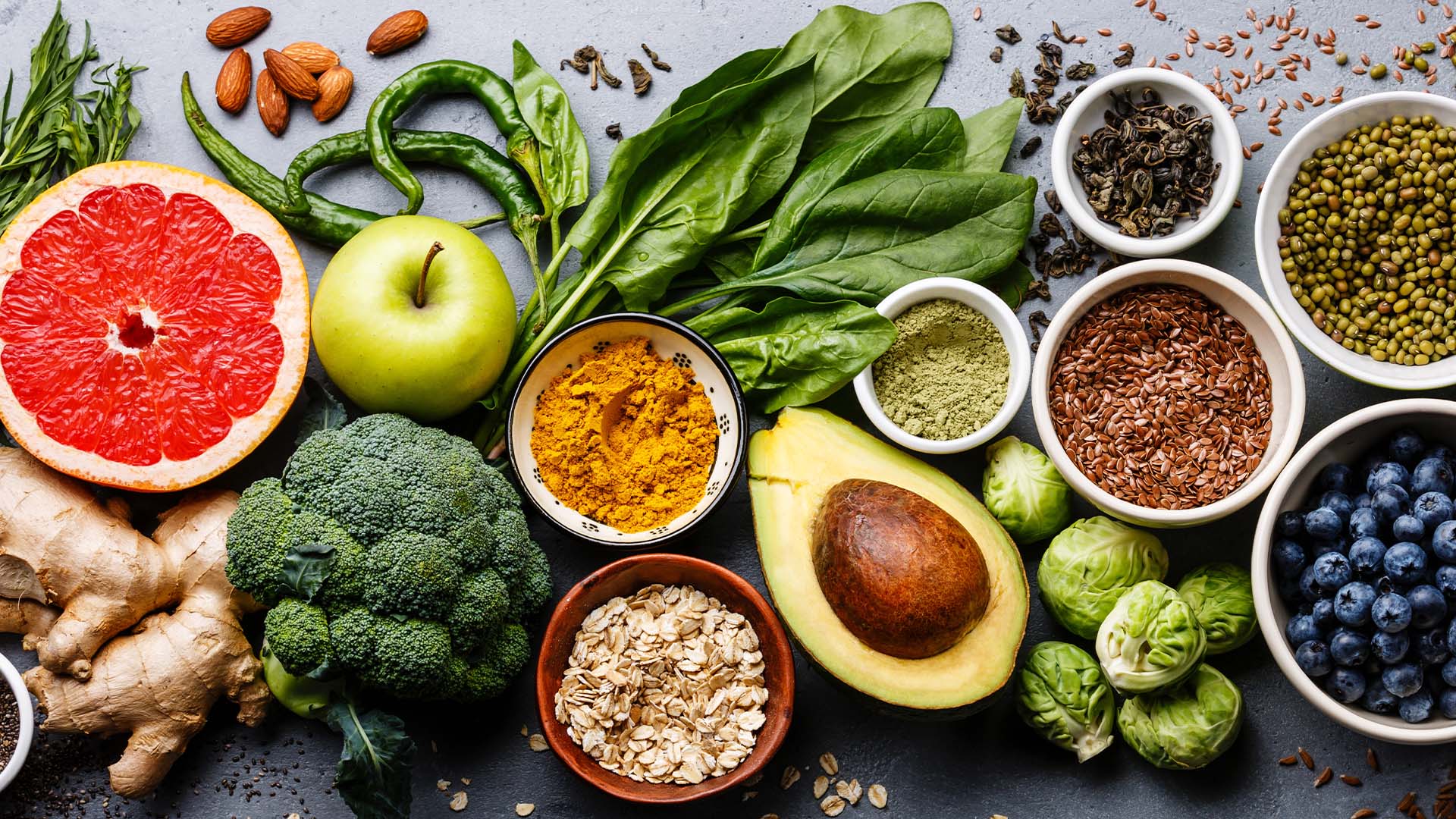
You’ve likely heard the term “antioxidant” in conversations about free radicals and general health. But many people aren’t clear on how these concepts are connected...
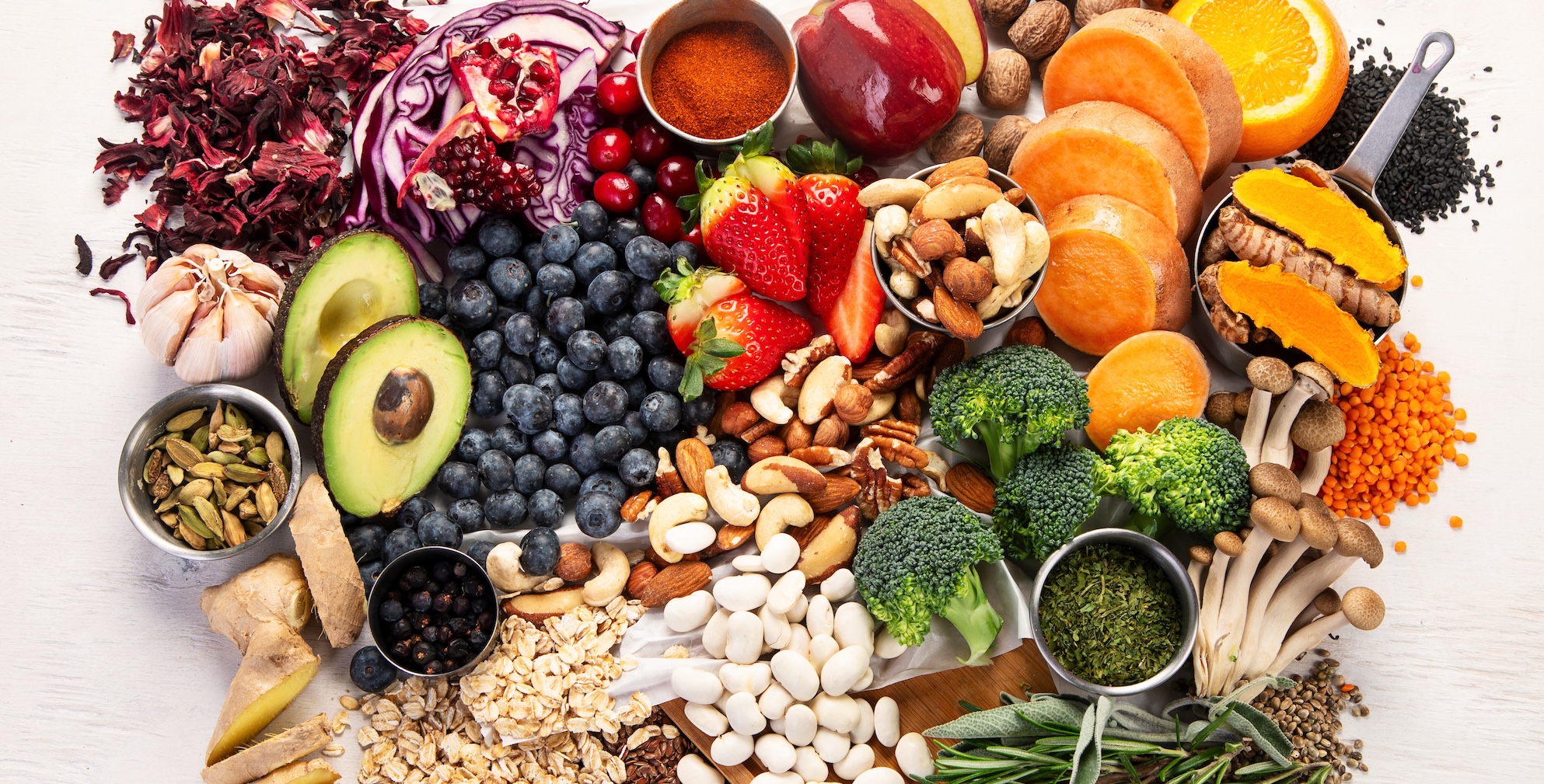
You’ve probably heard of ubiquinol, but what role does it play in your health — or your meals? Ubiquinol, the active antioxidant form of CoQ10,...