Buy Ubiquinol Now
HAPPY HEALTHY AGING MONTH!
Celebrate with 25% off sitewide at NewQ. Use code HEALTHYAGING.
SHOP NOW →HAPPY HEALTHY AGING MONTH!
Celebrate with 25% off sitewide at NewQ. Use code HEALTHYAGING.
SHOP NOW →
With a quick Internet search, you’ll find countless websites promoting the Whole30 diet. The Whole30 brand claims that millions have seen “life-changing” results.1 Is it really all it’s hyped up to be? And more importantly, should you try it?
In this post, we’ll review the Whole30 diet – and give you our take on it from a dietician’s perspective. This includes what it is, how to follow it safely and additional information about difficulty and supplementation.
We hope this post empowers you to make individualized dietary decisions alongside your healthcare provider.
Read More: Understanding Diet Fads Through The Decades
Whole30 is an elimination diet. It eliminates several types of foods, including dairy, grains, legumes, alcohol and sugar.2
Many people try the Whole30 diet for weight loss. However, Whole30 is marketed as a way to decrease inflammation and unpleasant symptoms like cravings, fatigue, anxiety, GI issues, skin issues and more.1
According to the American Heart Association (AHA), diets like Whole30 do not meet AHA’s science-based criteria for a sustainable healthy eating pattern.3 So, in that sense, it is a fad diet.
Furthermore, it can be very hard to find information that comes from trusted sources like the Academy of Nutrition and Dietetics, AHA and other reputable health organizations – probably because the Whole30 diet is not based on solid scientific evidence. That being said, you will find tons of content from dieters and the Whole30 brand itself, which encourages purchasing their products.
Read More: What’s Missing From Your Diet?
Whole30 should be temporary. This is not a diet that should be continued over the course of months or years. Doing so may put you at risk of nutrient deficiencies and an overall unhealthy relationship with food. (More on that later!) If you choose to try the Whole30 diet, notify your doctor or Registered Dietitian so you can be monitored for nutrient deficiencies.
Whole30 was originally created as a way to identify problematic foods that cause unpleasant symptoms (e.g., bloating, cravings, fatigue) in individuals. It’s also been experimented with for weight loss. Whole30 is meant to be a 30-day elimination diet and a 10+ day reintroduction period. Here is a simple step-by-step for Whole30:
If you mess up or have a cheat day during this process, start over from the very beginning.
The end-goal is to create a plan that includes all the foods you can tolerate. Once you create this plan, you’ll know what you can eat “forever.”4
According to the Whole30 brand, you’ll have to eliminate the following foods for 30 days. After 30 days, you can start to reintroduce some of these foods back into your diet.4
Foods to avoid on Whole30 (not a complete list):
Do not eat these foods, and do not eat them if they are present in an ingredient list on a food label.
The diet also discourages healthy recreation of treats. So, you can’t make “healthy” pancakes or muffins, even if you use approved ingredients. According to Whole30, recreating these treats will not actually reduce cravings for the real thing.4
Wondering what foods you can eat on Whole30? Here are some approved foods:2,4
The diet encourages eating foods with a short and “recognizable” ingredients list. Or, those that are completely unpackaged and unprocessed.4
Related: 12 Months Of Healthy Eating: Plant-Based Meals
We’ll answer some commonly asked questions about the Whole30 diet so that you can better determine if it’s right for you.
There are some benefits to the Whole30 diet, such as:
Compared to other diets, Whole30 is a mixed bag when it comes to difficulty. On one hand, you might appreciate the strict program rules (or not). On the other hand, this diet eliminates many different foods. Figuring out how to plan your meals can be challenging without support.
Prior to starting a new diet, consult your doctor and/or dietitian. Depending on your individual health profile and use of medications, certain diets can put you at risk for nutrient deficiencies, worsening of health status, and/or adverse drug-nutrient interactions.
Let’s talk about safety concerns for the Whole30 diet:
In most cases, it is best to obtain nutrients from food sources first. Supplements can be used to fill in nutritional gaps, meet specific nutrient needs and/or when one’s diet lacks certain nutrients.
Remember to consult with your doctor before starting or changing your supplement regimen. Supplements can play a part in your health status and how certain medications work.
If you decide to follow Whole30 long-term, and do not take any nutritional supplements, you may be at risk of several nutrient deficiencies, including:2
When you’re deficient, supplementation and/or dietary changes may be required. Supplementation should be discussed and analyzed by a healthcare provider prior to starting.
Related: What Foods Contain Ubiquinol?
Whole30 can be described as a fad diet, and it’s meant to be temporary. Whole30 is also a for-profit brand, which is fine – just be aware there’s a profit motivation.
Many people enjoy the challenge of achieving a goal they set for themselves. However, if your goal is to find a long-term dietary eating pattern that is sustainable, flexible and balanced, look elsewhere.
If you decide to try Whole30, do so alongside a Registered Dietitian. Because of its highly restrictive nature, strict guidelines and good/bad food labeling, those with disordered eating and eating disorders should not engage in this diet.
*A health-promoting diet focuses on a variety of nutrient-dense foods, including vegetables, fruits, whole grains, lean proteins, and healthy fats from nuts and plant oils. Limit intake of both saturated fat and added sugars to less than 10% of your daily calories, and sodium to less than 2,300 mg per day. 2,000 calories a day is used for general nutrition advice, but your calorie and other nutrient needs may vary. For dietary guidance specific to you, consult a healthcare provider.

Sign up for our Kaneka Ubiquinol® Newsletter & get tips and resources on cellular wellness, healthy aging, heart health, supplement facts more – delivered right to your inbox.
"*" indicates required fields

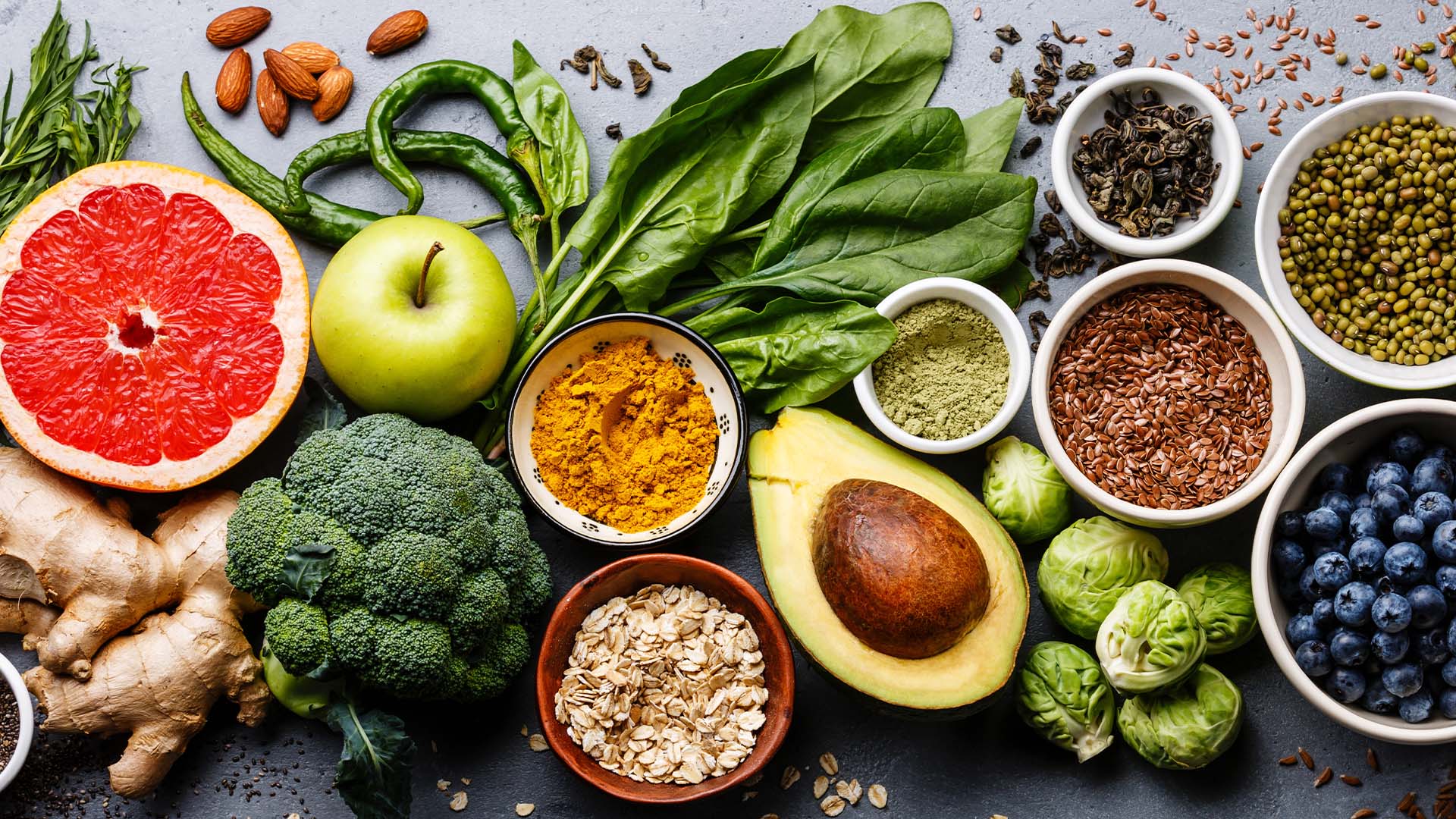
If you’re trying to eat healthier, you’ve probably encountered conflicting nutrition advice that leaves you feeling more confused than inspired. From avoiding carbs to plant-based...
You’ve likely heard the term “antioxidant” in conversations about free radicals and general health. But many people aren’t clear on how these concepts are connected...
You’ve probably heard of ubiquinol, but what role does it play in your health — or your meals? Ubiquinol, the active antioxidant form of CoQ10,...