Buy Ubiquinol Now
HAPPY HEALTHY AGING MONTH!
Celebrate with 25% off sitewide at NewQ. Use code HEALTHYAGING.
SHOP NOW →HAPPY HEALTHY AGING MONTH!
Celebrate with 25% off sitewide at NewQ. Use code HEALTHYAGING.
SHOP NOW →
If you’re like most people, you probably make New Year’s Resolutions to exercise more, eat healthier, or achieve some other goal each year, only to quit by March. This year, don’t fall into the habit of making and breaking resolutions. Intead, make goals. Although “goals” and “resolutions” sound similar, goals are more specific and tangible, while resolutions are more vague. This difference makes goals easier to achieve and resolutions harder to complete. To help you jump-start your year, we’re breaking down how to make (and keep) your goals.
It’s pretty easy to get caught up in setting a bunch of lofty goals for yourself, but make sure you’re being realistic. If you’re a night owl, setting a goal to workout every morning at 5 AM could set you up for failure. Instead, try scheduling your workout after dinner, when you know you’ll have enough energy to power through. Remember, your goal is for you, so tweak it until it becomes reasonable and realistic for your lifestyle
A year is a long time, and many people struggle in sticking to the same commitment for 12 months. Consider if a year-long timeframe really works for your lifestyle and goals. If not, choose monthly, quarterly, or six-month goals instead. Setting shorter-term goals may help you focus on what’s important to you and give you more opportunities to evaluate your progress and make adjustments.
One pitfall of setting a typical resolution is making a broad, generalized statement. Not only does this make it harder to meet your goal, but it also makes it harder to know if you’re on the right track. For example, a typical resolution may be “to eat healthier.” That’s pretty vague, and begs the question: What does eating healthier look like and how do you know if you’ve achieved it? Instead, create a specific, tangible goal you can measure. In this example, it may be better to change your goal to something like “eating one vegetable with each meal.” Now, you can measure your progress and make adjustments accordingly.
No matter how large your goal is, breaking it down into small, digestible steps is a great way to stay focused. Determine some important mini goals and milestones you’ll need to hit in order to accomplish your overall goal. For example, if you want to lose 10 pounds, set smaller goals to help you get there, like exercising 3 times a week or eating fruit instead of dessert. Determining milestones will give you the opportunity to check in and see if you’re furthering your goal.
Life happens, and sometimes you just might not have time to go to that workout class or cook that new recipe. But, missing a day or two doesn’t mean you should give up on your goal. Let go of any disappointment or feelings of failure and try again the next day. Reaching your goals is a marathon, not a sprint!
By setting realistic and specific goals, you’re setting yourself up for success. Whether you start your goal on January 1st or later in the year, remember that your goals are for you – so give yourself some flexibility, play around with timelines, and plan for your best year yet!
*Information on this site is for informational purposes only and is not a substitute for medical advice. Always consult your doctor or licensed healthcare provider with any questions about your health and before starting a new exercise program. Never delay contacting your doctor or disregard medical advice because of something you have read on this website or the internet.

Sign up for our Kaneka Ubiquinol® Newsletter & get tips and resources on cellular wellness, healthy aging, heart health, supplement facts more – delivered right to your inbox.
"*" indicates required fields

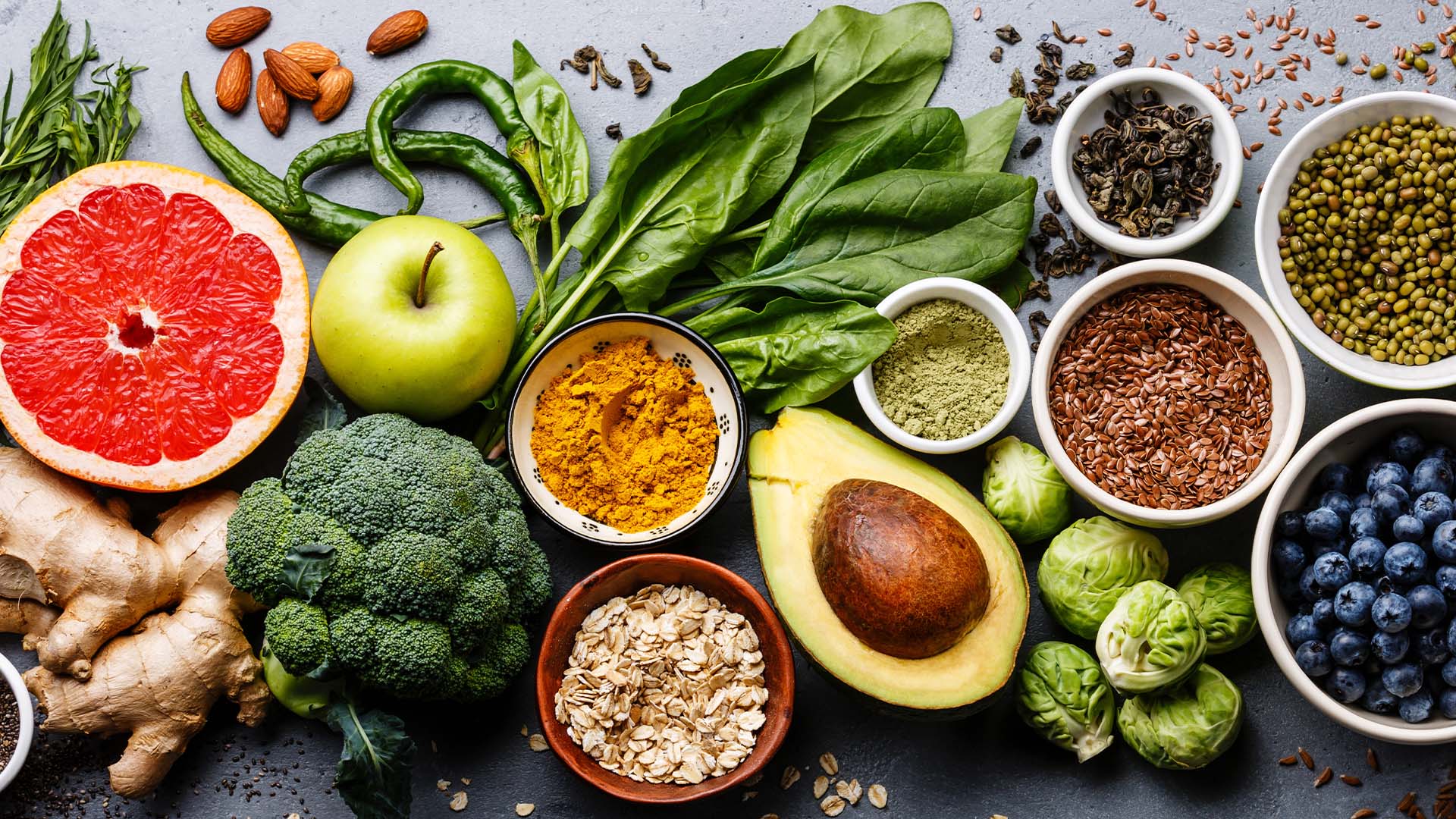
If you’re trying to eat healthier, you’ve probably encountered conflicting nutrition advice that leaves you feeling more confused than inspired. From avoiding carbs to plant-based...
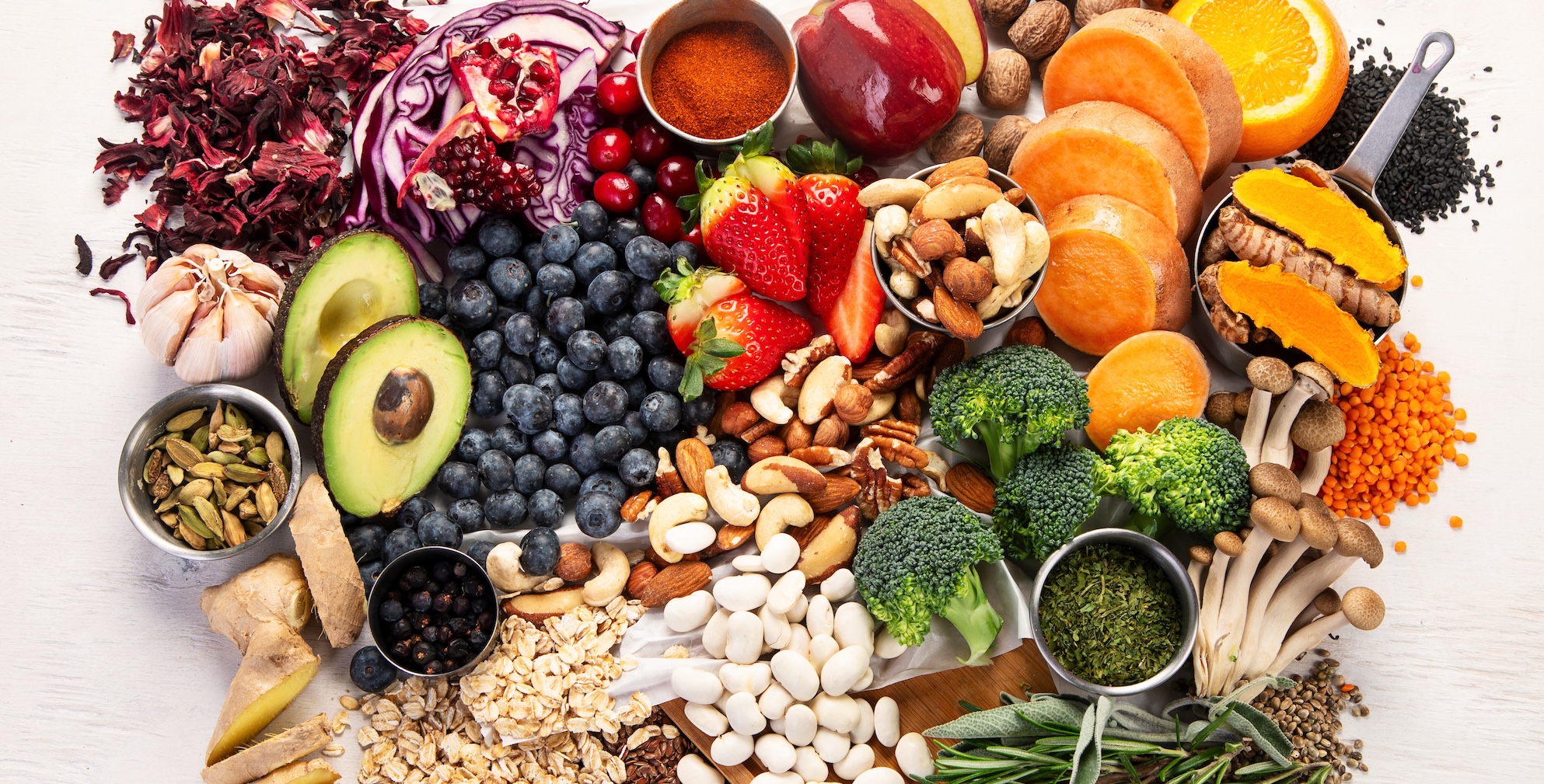
You’ve likely heard the term “antioxidant” in conversations about free radicals and general health. But many people aren’t clear on how these concepts are connected...
You’ve probably heard of ubiquinol, but what role does it play in your health — or your meals? Ubiquinol, the active antioxidant form of CoQ10,...