Buy Ubiquinol Now
HAPPY HEALTHY AGING MONTH!
Celebrate with 25% off sitewide at NewQ. Use code HEALTHYAGING.
SHOP NOW →HAPPY HEALTHY AGING MONTH!
Celebrate with 25% off sitewide at NewQ. Use code HEALTHYAGING.
SHOP NOW →

Updated on April 2, 2026
If you’re entering the period often described as “midlife,” that label doesn’t exactly paint a full picture. You’ve presumably acquired an impressive collection of experiences and knowledge up to this point, but along with that comes demanding careers, families needing you in new ways, aging parents, biological shifts, and a body that doesn’t always bounce back like it once did. This doesn’t indicate that you’re in decline, or in need of a shiny new car, and it certainly isn’t something to stress about — though, it should be a reminder to take a deeper look at your heart health and daily habits.
For many adults, the 40s and 50s are the first time heart health moves from an abstract idea to something worth actively focusing on. This period of life is a great window for building habits and gentle course correction. With a thoughtful, realistic assessment of your lifestyle choices, you can use this time to build long-term cardiovascular health that supports both how you want to live now and in the future.
This article is Part 2 of Kaneka’s multi-decade heart health series. In Part 1, we explored why building heart-healthy habits in your 20s and 30s sets a strong foundation. Now, we’re focusing on how to continue supporting and protecting your heart health during the middle adult years when those habits start to matter even more.
The heart is remarkably resilient, but even the healthiest individuals experience normal biological changes. Over time, heart muscle elasticity can shift slightly, blood vessels may become less flexible, and the heart may need to work a bit harder to pump blood efficiently, especially when influenced by years of lifestyle factors like too much stress, poor diet, lack of activity, and poor sleep patterns.
At the cellular level, the heart remains one of the most energy-demanding organs in the body. To meet these high energy requirements, heart cells rely heavily on cellular energy production within the mitochondria.1 Ubiquinol — an important naturally-occurring nutrient and the active antioxidant form of CoQ10 — is essential to this process and is required for the vast majority of cellular energy production.2 However, around age 40, the body’s natural ability to convert CoQ10 into ubiquinol becomes less efficient.
These changes are nothing to fear; they simply underscore why proactive care, consistent habits, and cellular support become increasingly important as we continue to age.
Read More: Find Your Healthy Aging Groove
The habits you build (or neglect) earlier in life come knocking in your 40s and 50s. The encouraging news is that positive changes made now can also deliver meaningful benefits well into the future, so you can plan ahead and feel better about what shows up in your 60s and beyond.
This is a decade where screenings, routine checkups, and lifestyle adjustments are paramount, but also empowering. Even modest shifts in activity, nutrition, and stress management can help support heart health and overall wellness.
For some adults, this is also the stage when learning about dietary supplementation and nutrients like ubiquinol becomes especially relevant, particularly as the body’s natural levels of ubiquinol decline. For women entering perimenopause and menopause, understanding the natural decline in estrogen and how this can impact both heart health and general wellness is also key to prioritizing cardiovascular function over time. We dive into that in more depth later.
As you move through your 40s and 50s, several lifestyle elements should become greater priorities. These habits are largely within your control and work best when addressed together. We understand that schedules and high cognitive loads may mean you can’t tackle the whole list at once, but focusing on one change at a time until it becomes routine can be a manageable way to build a healthier lifestyle.
In your 40s and 50s, movement may look different than it did earlier in life, and that’s to be expected. Joint health, recovery time, and energy levels often shift, making it a prime concern to choose physical activity that feels appropriate and sustainable. Walking, strength training, swimming, cycling, and other low-impact cardio options can all support heart health when done consistently.
Rather than chasing intensity, focus on regularity: it’s okay to want to run a marathon, but recognize that focusing on activities you truly enjoy is a more consistent way to stay active every day. Even moderate, low-impact activity can help support blood pressure, cholesterol balance, weight management, and stress reduction. As always, it’s wise to check with a healthcare provider before starting or changing an exercise routine.
Weightlifting for Beginners: What to Know Before You Start
Flexibility and mobility naturally decline with age, especially when combined with sedentary habits or repetitive movement. Regular stretching helps counteract stiffness and has been shown to support circulation, posture, joint health, recovery, bone density, and overall mobility — all of which can indirectly support heart health by making movement more accessible and sustainable.
While you can do yoga sessions or longer routines, stretching doesn’t need to be time-consuming or intense to be effective. Gentle morning stretches, evening mobility work, a quick routine during a lunch break, or brief pre- and post-workout stretching all contribute to the overall picture of your health.
Food fuels every heartbeat, every step, and every moment of daily life. Balanced eating patterns are especially important in your 40s and 50s to help support healthy cholesterol levels, blood sugar balance, and overall wellness, so the body can maintain proper function. Developing heart-healthy habits around nutrition is one of the most impactful changes you can make.
Know that “balanced eating” is not the same as “restrictive eating.” Instead, aim for variety and quality of whole foods. Fiber-rich foods, healthy fats, lean proteins, whole grains, and adequate hydration all play a role in nutrition that supports your heart. Real life obviously finds lots of ways to make perfect eating unrealistic, like busy schedules, coordinating family meals, and rising costs. Still, the commitment we make is important. Notable progress can come from learning a few new recipes, making simple food swaps (cauliflower mashed potatoes, spaghetti squash noodles, etc.), and choosing consistency over perfection.
Read More: Discover More Tips for Eating Well
Stress affects so much more than mood. Beyond noticeable changes to patience or attitude, it can influence blood pressure, sleep quality, and daily habits that support heart health. For many adults, the 40s and 50s bring layered stressors, including career demands, caregiving responsibilities, financial concerns, and plenty of ongoing uncertainty in our lives.
Intentional stress management helps create space for, well, more space (both in the mind and in your life). Practices like meditation, journaling, gratitude, movement, breathwork, or short daily decompression rituals can make a meaningful difference in the day-to-day. Open, kind communication of emotions and stressors with partners, friends, and family can also help share the load, and working with the right therapist can further help identify triggers, patterns, and practical management strategies.
Read More: Find Your Happy Place
Sleep is foundational to heart and overall health, and even though life can make us more tired as we age, rest typically becomes elusive. Hormonal changes, stress, and disrupted routines can all interfere with sleep quality.
While perfect sleep is merely a platonic ideal, better sleep is an achievable goal. Consistent bedtimes, calming wind-down routines, and reduced evening screen time all contribute to more supportive sleep environments and better rest.
Knowing and understanding your cholesterol levels, blood pressure, and other heart-related metrics empowers you to make informed decisions about your health. Regular checkups and open conversations with your cardiologist or primary care physician help make sure you are aware of what’s happening in your body and identify steps you can take to keep things operating smoothly.
If you haven’t already, now is also the perfect time to learn more about your family medical history, which can provide valuable context for screenings and an individualized health care plan.
Read More: Your Ultimate Cardiovascular Health Guide
At the foundation of heart function is cellular energy production. As we age, oxidative stress — an imbalance of antioxidants and free radicals, with free radicals in excess — becomes more common and can contribute to cellular damage over time.
For women, the effects of oxidative stress can be more pronounced. Estrogen functions as a natural antioxidant, and as estrogen levels decline during perimenopause and menopause, that protective effect also decreases. This change can lead to increased oxidative stress, making antioxidant support and cellular protection increasingly important considerations during this stage of life.
Ubiquinol plays a dual role by both supporting mitochondrial function and helping neutralize free radicals as an antioxidant. Because the body’s ability to convert ubiquinol declines with age, some adults choose to supplement with Kaneka Ubiquinol® as part of a broader heart-healthy lifestyle. This is especially relevant for individuals taking statin medications to lower cholesterol, which are known to interfere with the body’s synthesis of CoQ10. This can lead to lower levels of ubiquinol in the body.
Kaneka Ubiquinol® is the only ubiquinol made in the USA and is bioidentical to the body’s natural ubiquinol. It undergoes continuous, rigorous testing and is supported by extensive clinical and scientific research. The Kaneka Quality Seal on supplement labels provides confidence in its purity and reliability. Kaneka Ubiquinol® is more bioavailable than a conventional CoQ10 supplement and supports heart health and cardiovascular function.
Your 40s and 50s are the investment period for the decades that lie ahead. Ready to put in the work and see the benefits? Meaningful change doesn’t require perfection, and it certainly doesn’t happen overnight, but each supportive habit you create adds to your foundation for maintaining heart health.
Explore our collection of tips and resources on healthy aging in your 40s and 50s, and stay tuned for Part 3 of our series, where we’ll explore how heart health priorities evolve in your 60s and 70s. In the meantime, pick one healthy habit to improve, and see where the journey takes you.
Learn More: The Beginner’s Guide to Ubiquinol
*Information on this site is for informational purposes only and is not a substitute for medical advice. Always consult your doctor or licensed healthcare provider with any questions about your health and before starting a new exercise program. Never delay contacting your doctor or disregard medical advice because of something you have read on this website or the internet.

Sign up for our Kaneka Ubiquinol® Newsletter & get tips and resources on cellular wellness, healthy aging, heart health, supplement facts more – delivered right to your inbox.
"*" indicates required fields

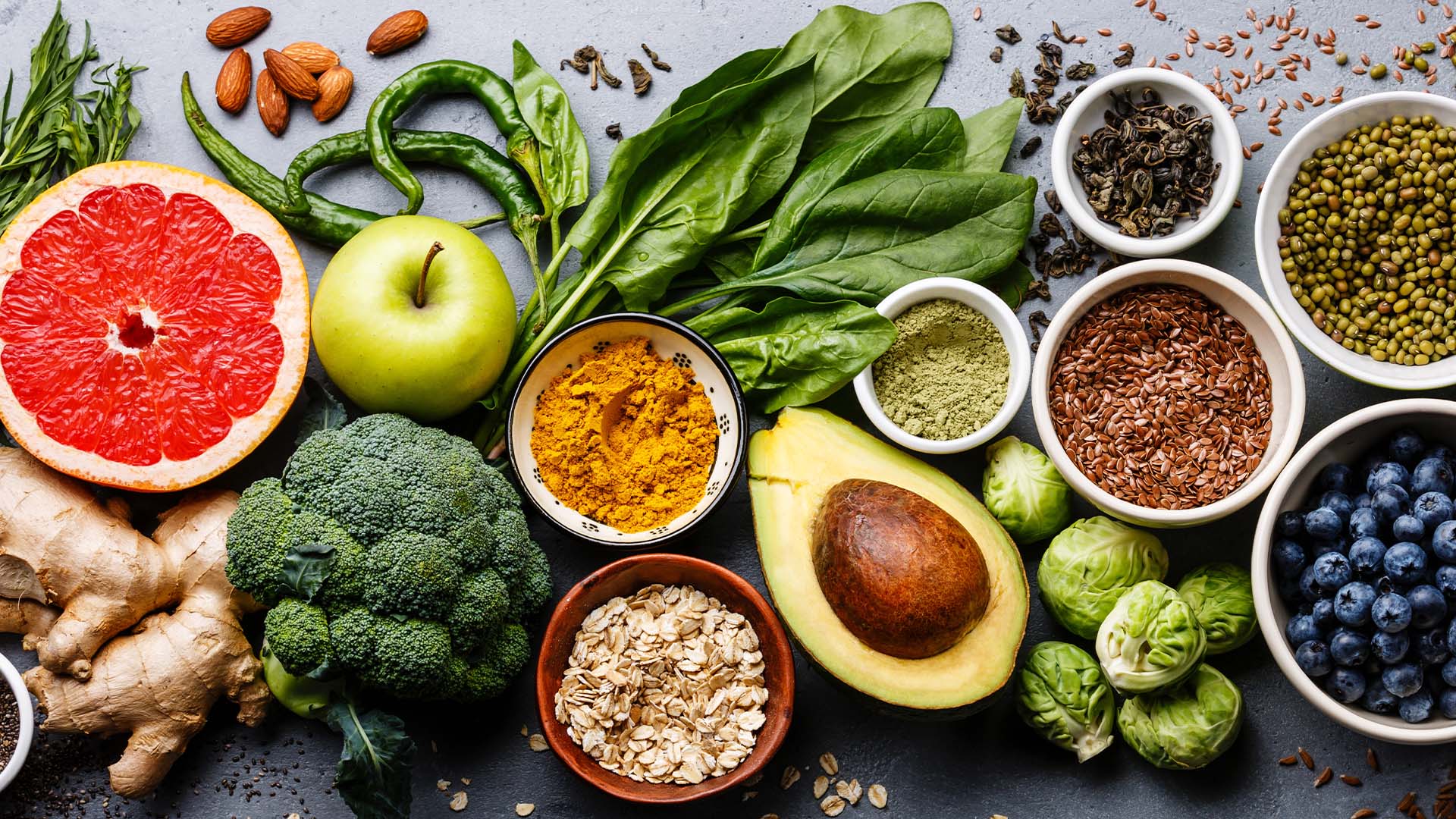
If you’re trying to eat healthier, you’ve probably encountered conflicting nutrition advice that leaves you feeling more confused than inspired. From avoiding carbs to plant-based...
You’ve likely heard the term “antioxidant” in conversations about free radicals and general health. But many people aren’t clear on how these concepts are connected...
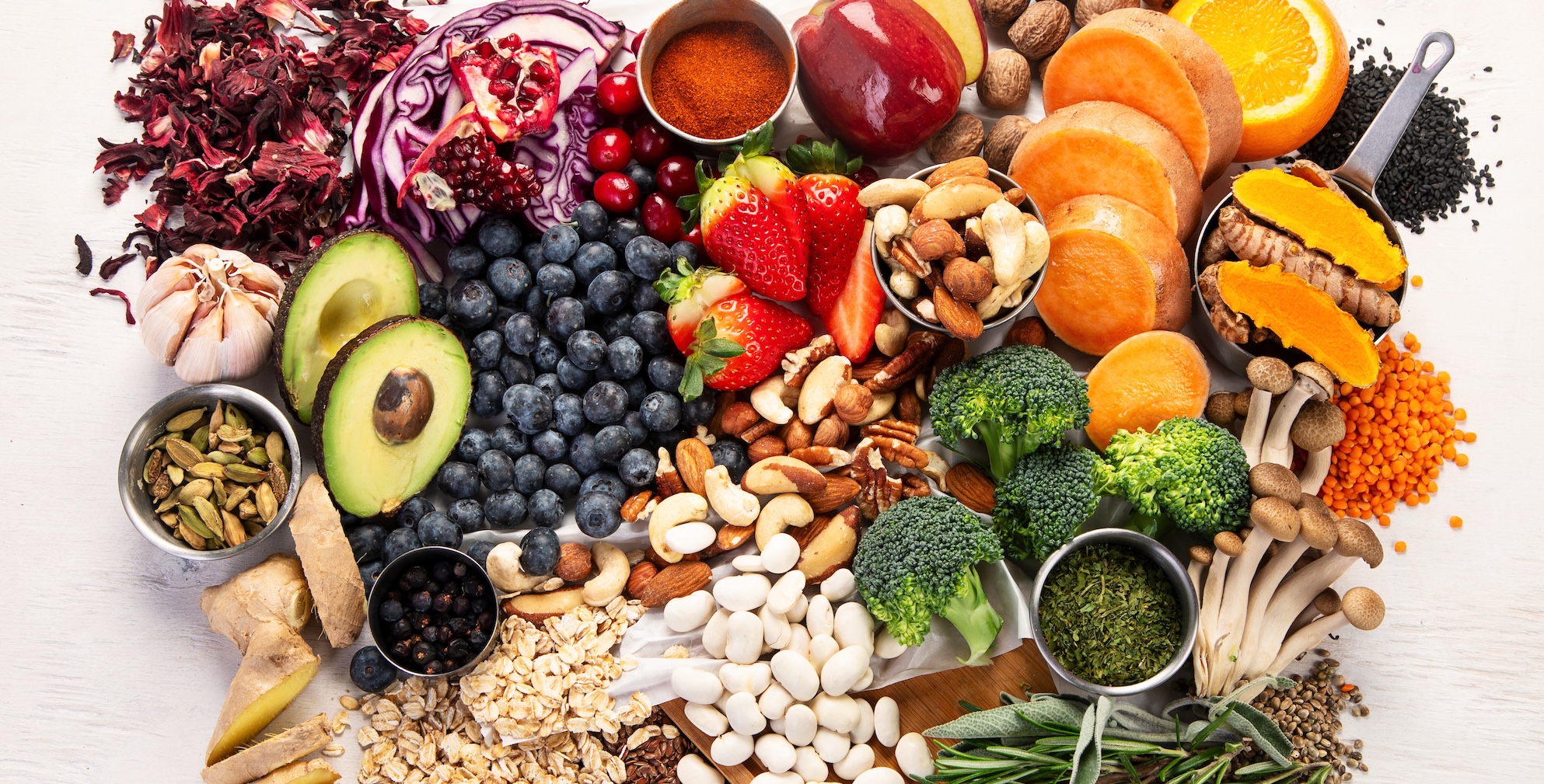
You’ve probably heard of ubiquinol, but what role does it play in your health — or your meals? Ubiquinol, the active antioxidant form of CoQ10,...