Buy Ubiquinol Now
HAPPY HEALTHY AGING MONTH!
Celebrate with 25% off sitewide at NewQ. Use code HEALTHYAGING.
SHOP NOW →HAPPY HEALTHY AGING MONTH!
Celebrate with 25% off sitewide at NewQ. Use code HEALTHYAGING.
SHOP NOW →
You’ve probably heard of ubiquinol, but what role does it play in your health — or your meals? Ubiquinol, the active antioxidant form of CoQ10, is naturally occurring in the body and present in a variety of everyday foods. From fatty fish and meats to nuts, vegetables, and whole grains, many of the foods you already enjoy contain small amounts of this important nutrient.
However, the amounts found in food are relatively low. Research shows that diet alone may not be sufficient to replenish ubiquinol levels in the body when they naturally decline with age. That’s why pairing a balanced, heart-healthy diet with a daily Kaneka Ubiquinol® supplement is the most practical way to maintain healthy levels and promote cellular health and general wellness. It’s a win-win for your body and your plate, and we’ll explain why.
For a deeper look at how nutrition and supplementation work together, download our free Healthy Diet & Supplement Guide.
To understand why ubiquinol is so important for a healthy diet and lifestyle, we need to examine its role at the cellular level. As the active antioxidant of CoQ10, ubiquinol is found in every cell in the body.1 Both ubiquinol and CoQ10 (also called ubiquinone) are important for generating cellular energy, as they exchange electrons. Within the electron transport chain, there is a constant switching back and forth between ubiquinone and ubiquinol.2 This process, which happens within the mitochondria, is essential to promoting whole-body health — powering everything from cellular maintenance and function, heart health, healthy aging, and more.
In fact, ubiquinol is required for 95% of the body’s cellular energy production, helping to power vital organs, while also functioning as a powerful antioxidant that helps protect cells against damage over time.
The body naturally produces ubiquinol by converting CoQ10 (ubiquinone) into its active antioxidant form. However, this conversion process becomes less efficient with age, particularly after age 40. This makes ubiquinol a key player in overall well-being as we age, and since dietary sources provide only trace amounts, supplementation becomes an important part of a proactive wellness routine.3
Combining foods that contain ubiquinol with smart supplementation is one of the best ways to optimize your wellness routine. Here’s a closer look at the foods that contain ubiquinol and how they fit into a wellness-focused lifestyle.
Fatty fish like salmon, tuna, mackerel, and sardines contain high amounts of ubiquinol. These fish also provide omega-3 fatty acids and protein, making them a nutritious addition to any meal. To retain the most ubiquinol content in your food, consider preparation methods like baking or grilling at moderate temperatures, since high heat can convert ubiquinol back into the oxidized ubiquinone form (CoQ10).
Beef, pork, and chicken all contain ubiquinol. Organ meats, particularly beef heart and liver, offer some of the highest concentrations found in any food. These cuts are also packed with B12, iron, and protein. When choosing meat, grass-fed beef and free-range poultry tend to offer better overall nutritional profiles.
Keep in mind that cooking converts some of the ubiquinol in meat back into ubiquinone, the form the body must then convert back before it can be used as an antioxidant. This means meat contains more ubiquinol when it’s raw compared to after it’s cooked.
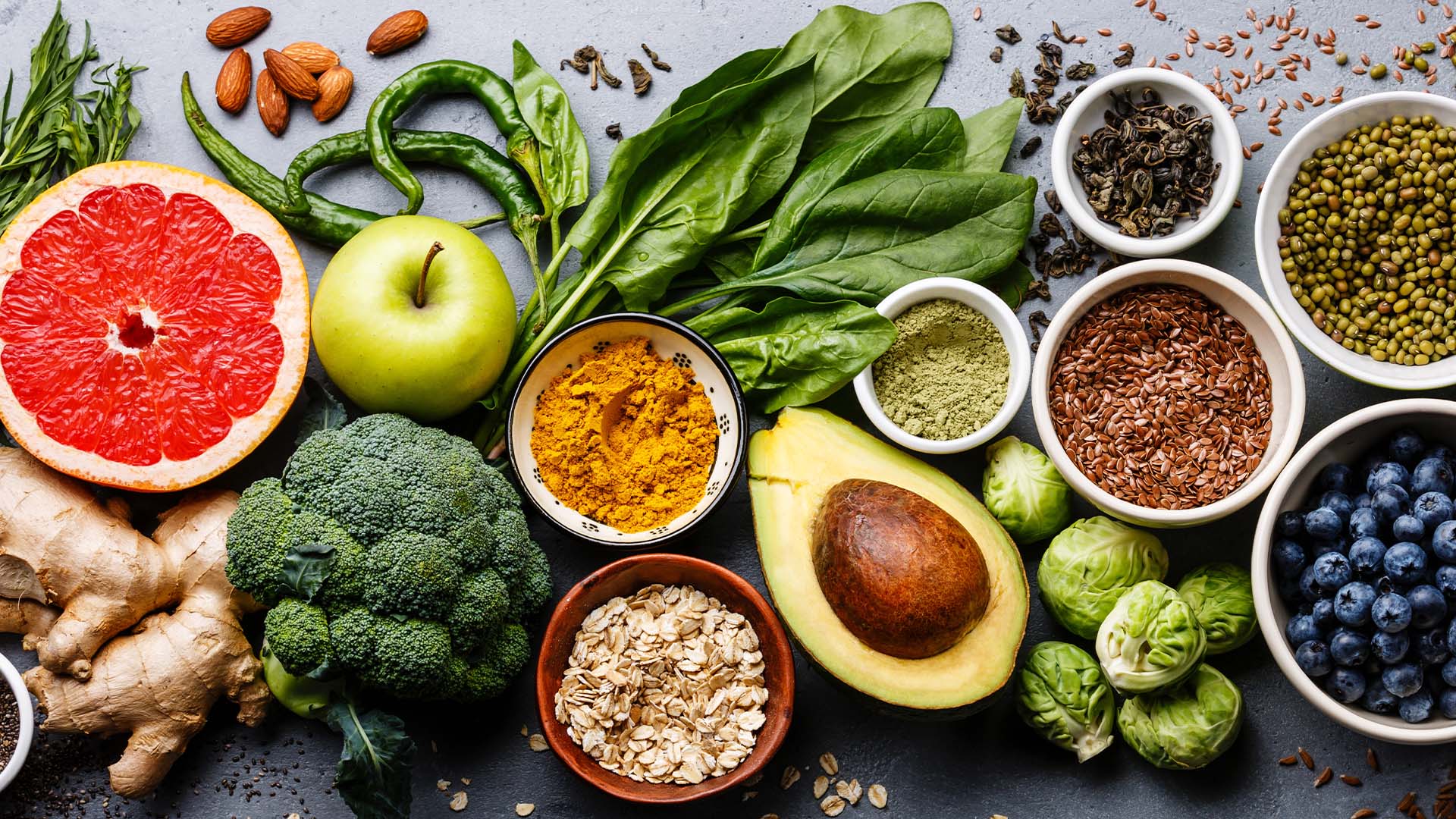
Peanuts, almonds, pistachios, and sesame seeds contain trace amounts of ubiquinol, along with protein, fiber, and healthy fats. They make a convenient snack and are easy to incorporate into salads, oatmeal, and other everyday meals. Browse our recipe collection for ideas on working these into your meals.
Several vegetables provide small amounts of ubiquinol, including broccoli, cauliflower, spinach, sweet potatoes, and cabbage. While these won’t meaningfully move the needle on ubiquinol intake, they bring essential vitamins, minerals, and fiber that are important to overall wellness. For more on building a nutrient-packed plate, explore our 6 Easy Food Swaps to Be More Heart-Healthy guide.
Avocados, strawberries, and oranges contain trace amounts of ubiquinol along with vitamin C, potassium, and other antioxidants. These fruits are a great complement to a balanced diet, even though their ubiquinol content is minimal.
Brown rice, quinoa, and oats provide ubiquinol in small quantities, along with B vitamins, magnesium, and fiber. Some cooking oils, including olive oil and canola oil, also contain low amounts, though you’d need to consume very large quantities to get supplemental levels.
Even with a well-rounded diet, it’s difficult to get enough ubiquinol from food alone. Here’s how much of each food you’d need to consume to match the 100 mg found in a single Kaneka Ubiquinol® softgel:
| Food | Amount Needed for 100 mg Ubiquinol |
|---|---|
| Peanuts | 3.5 lbs |
| Grass-fed steak (6 oz.) | 20 steaks |
| Chicken breast (6 oz.) | 34 breasts |
| Spinach | 50 cups |
| Avocados | 60 avocados |
| Canola oil | 100 tablespoons |
| Sardines (canned) | 120 cans |
| Olive oil | 133 tablespoons |
| Kaneka Ubiquinol® supplement | 1 softgel |
As these numbers show, supplementation alongside a balanced lifestyle is an effective way to maintain healthy ubiquinol levels. Learn more about why taking a Kaneka Ubiquinol® supplement matters, or visit our trusted brands page to find a supplement made with Kaneka Ubiquinol®.
Read More: Address Your Nutrient Needs by Eating Well
While many common foods contain ubiquinol, the amounts are quite small. Research indicates that diet alone is not sufficient to replenish the ubiquinol levels that decrease with age. A daily Kaneka Ubiquinol® supplement helps maintain healthy levels alongside a balanced diet and healthy lifestyle.
Yes. Heat from cooking can cause the ubiquinol in foods, especially meats, to convert back into ubiquinone, or CoQ10. While the food still provides nutritional value, the amount of ubiquinol available for the body to absorb may be reduced.
Absolutely. Foods that contain ubiquinol also provide other beneficial nutrients like omega-3 fatty acids, fiber, vitamins, and minerals. A nutrient-rich diet works alongside ubiquinol supplementation to support overall wellness. Check out our Eating Well hub and healthy recipes for meal inspiration.
Have more questions? Visit our Ubiquinol FAQ page for answers on dosage, safety, and more.
*A health-promoting diet focuses on a variety of nutrient-dense foods, including vegetables, fruits, whole grains, lean proteins, and healthy fats from nuts and plant oils. Limit intake of both saturated fat and added sugars to less than 10% of your daily calories, and sodium to less than 2,300 mg per day. 2,000 calories a day is used for general nutrition advice, but your calorie and other nutrient needs may vary. For dietary guidance specific to you, consult a healthcare provider.

Sign up for our Kaneka Ubiquinol® Newsletter & get tips and resources on cellular wellness, healthy aging, heart health, supplement facts more – delivered right to your inbox.
"*" indicates required fields

If you’re trying to eat healthier, you’ve probably encountered conflicting nutrition advice that leaves you feeling more confused than inspired. From avoiding carbs to plant-based...
You’ve likely heard the term “antioxidant” in conversations about free radicals and general health. But many people aren’t clear on how these concepts are connected...

For generations, women have been asked to navigate their health with incomplete information. Until the early 1990s, women were largely excluded from U.S. medical research,...