Buy Ubiquinol Now
HAPPY HEALTHY AGING MONTH!
Celebrate with 25% off sitewide at NewQ. Use code HEALTHYAGING.
SHOP NOW →HAPPY HEALTHY AGING MONTH!
Celebrate with 25% off sitewide at NewQ. Use code HEALTHYAGING.
SHOP NOW →
Aging well doesn’t mean achieving an impossible standard for appearance and health. You can follow science-backed, time-tested “rules” for investing in your health over the long run. Here are five guidelines to support long-term physical and mental wellness.
Your body needs fewer calories as you age. Your metabolism slows down and your caloric energy needs fall as you become less active. Men usually start requiring fewer calories in their late 30s, while women do the same in their early 30s. If you are extremely active, you may not need to reduce your calories until your 50s or 60s.
When you do begin to eat less, pay attention to what you eat. As you age your body loses its ability to absorb nutrients as well as it did when you were younger. That means it becomes even more important to eat a healthy well-balanced diet with enough vegetables, lean protein and whole grains
You don’t have to exercise for long periods of time to stay healthy. Dividing your activity into 10 or 15 minute increments is beneficial. Exercise has been linked to a variety of long-term health benefits. Both aerobic (e.g., brisk walking) and anaerobic (e.g., weight lifting) exercises have been tied to improved heart, brain and muscle health. Even adding just a little activity to your routine can yield benefits.
The amount of activity a person needs generally stays the same from age 18 to about age 64. The World Health Organization recommends all adults get 2.5 hours of moderate aerobic exercise per week. Always check with your doctor before starting any new exercise program.
Social relationships can improve your mental and physical health. In fact, having a core group of good friends has been shown to improve quality of life. Socially connected adults have better behaviors, psychological profiles and fewer healthcare costs.
According to the American Academy of Dermatology, you should apply sunscreen of at least 30 SPF to exposed skin (including your face) whenever you’ll spend time outside, even if it’s cloudy. Choose a broad-spectrum mineral-based product that protects against both UVA and UVB rays.
If you’re going to be outside for a long period of time, reapply sunscreen as directed on the label or after swimming and drying yourself off. Wear a wide-brimmed hat and sunglasses when possible. Following these tips – even during cooler times of the year – will help protect both the health and appearance of your skin as you age.
Giving back doesn’t just make you feel good. Researchers have learned that volunteering can lead to better health. This is particularly true among seniors, who are at higher risk of being socially isolated. In 2019, the Corporation for National and Community Service released research findings that stated consistent volunteering in national service programs can improve the health and well-being of people aged 55 and older.
*Information on this site is for informational purposes only and is not a substitute for medical advice. Always consult your doctor or licensed healthcare provider with any questions about your health and before starting a new exercise program. Never delay contacting your doctor or disregard medical advice because of something you have read on this website or the internet.

Sign up for our Kaneka Ubiquinol® Newsletter & get tips and resources on cellular wellness, healthy aging, heart health, supplement facts more – delivered right to your inbox.
"*" indicates required fields

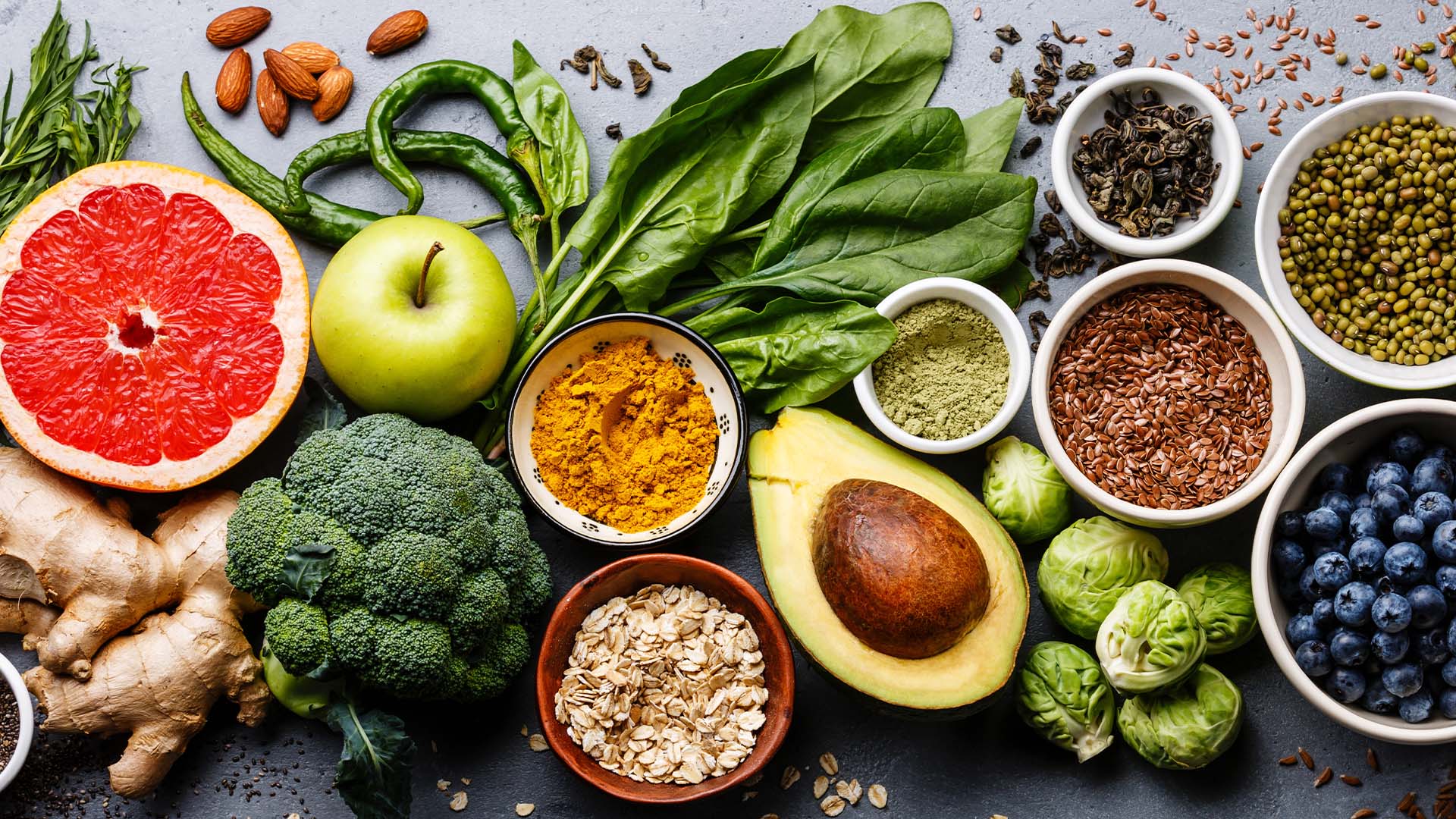
If you’re trying to eat healthier, you’ve probably encountered conflicting nutrition advice that leaves you feeling more confused than inspired. From avoiding carbs to plant-based...
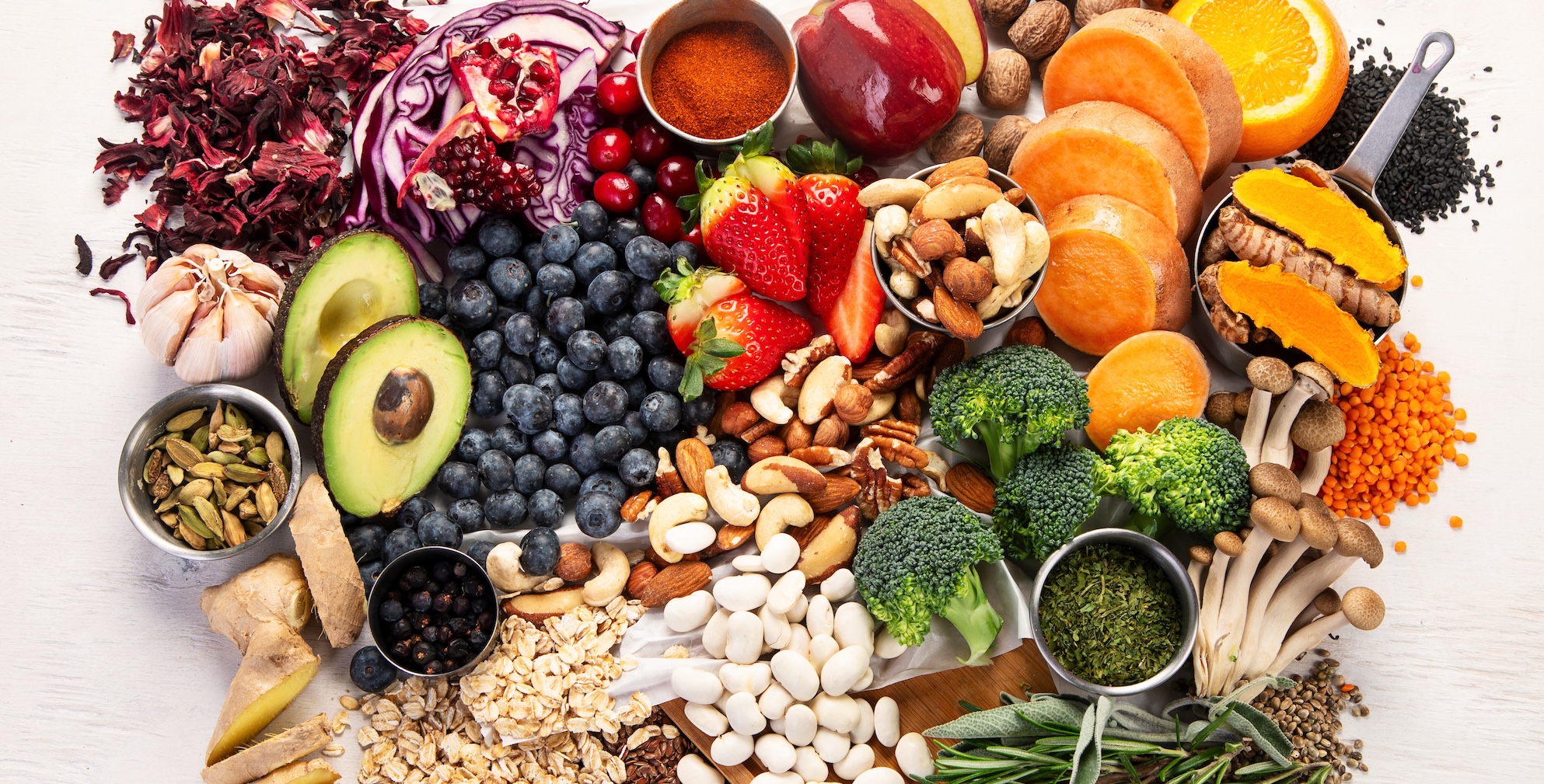
You’ve likely heard the term “antioxidant” in conversations about free radicals and general health. But many people aren’t clear on how these concepts are connected...
You’ve probably heard of ubiquinol, but what role does it play in your health — or your meals? Ubiquinol, the active antioxidant form of CoQ10,...