Buy Ubiquinol Now
HAPPY HEALTHY AGING MONTH!
Celebrate with 25% off sitewide at NewQ. Use code HEALTHYAGING.
SHOP NOW →HAPPY HEALTHY AGING MONTH!
Celebrate with 25% off sitewide at NewQ. Use code HEALTHYAGING.
SHOP NOW →

Updated on October 6, 2021
Meal Plan Created By: Amanda Kostro Miller
Filled with layers of flavor, mouth-watering herbs, and a bit of spice, Thai cuisine is both delicious and nutritious. If you’re picturing your favorite meal from your neighborhood Thai restaurant, you may have to think again: Americanized Thai food often offers larger portions, a higher number of deep-fried dishes, and recipes with higher salt and sugar content. The traditional Thai diet features colorful vegetables, seafood, lean meats, and a variety of herbs. Learn the benefits of a traditional Thai diet and then give it a try using our weeklong Thai meal plan, created by a Registered Dietician!
Download The Printable Meal Plan
Thai food is known for its emphasis on spices and herbs, which, in addition to adding flavor to every bite, may offer some health benefits. Some of the most common good-for-you spices used in traditional Thai cooking include:
Galangal tastes similar to ginger and turmeric root and is often used to make curry pastes or sauces. Galangal contains beneficial flavonoids that act as antioxidants to protect the body’s cells from oxidative stress.1
Although thai holy basil is similar in taste to other types of basil, the undertone of licorice adds something extra to curries, stir-fries, and fried rice dishes. Oils and extracts from this tasty herb may provide certain health benefits, like promoting stress management and playing a role in maintaining blood pressure levels.23
This colorful spice gives curries their unique flavor. Curcumin, one of the compounds in Tumeric, may provide antioxidant benefits and help support brain function.4
Traditional Thai dishes tend to balance the three major macronutrients: protein, fats, and carbs. Thai cuisine includes a variety of vegetables, rice or noodles, and a protein source like tofu, lean meat, or seafood. Many dishes are finished off with coconut milk, peanut sauces, or another source of fat. Eating meals that balance all three macronutrients may offer multiple health benefits, like helping to maintain a healthy weight and giving you the nutrients to feel energized throughout the day.5
Thai meals feature a good amount of non-starchy vegetables, like peppers, tomato, cabbage, broccoli, carrots, and onions. These kinds of vegetables contain fiber, minerals, vitamins, and other compounds that support your overall health.6
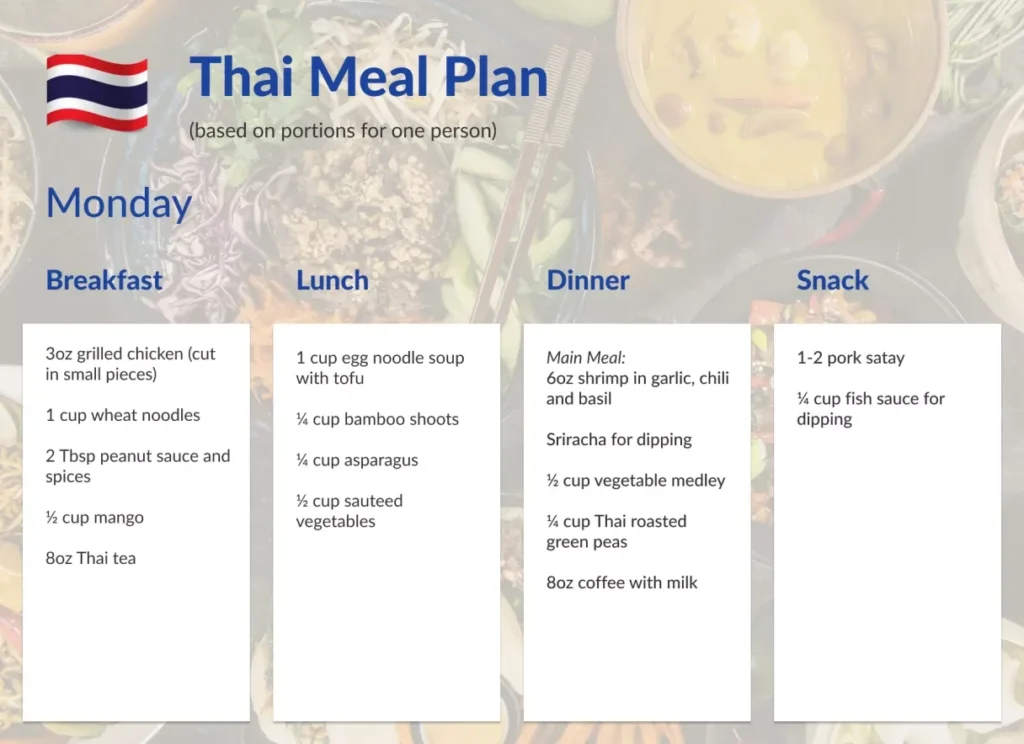
Are you ready to whip up tasty, good-for-you Thai meals? Get ready for 7 days of heart-healthy Thai cuisine by downloading our free, weeklong meal plan. You’ll get delicious inspiration for traditional Thai dishes like tom kha soup, veggie spring rolls, and green and yellow curries.
*A health-promoting diet focuses on a variety of nutrient-dense foods, including vegetables, fruits, whole grains, lean proteins, and healthy fats from nuts and plant oils. Limit intake of both saturated fat and added sugars to less than 10% of your daily calories, and sodium to less than 2,300 mg per day. 2,000 calories a day is used for general nutrition advice, but your calorie and other nutrient needs may vary. For dietary guidance specific to you, consult a healthcare provider.

Sign up for our Kaneka Ubiquinol® Newsletter & get tips and resources on cellular wellness, healthy aging, heart health, supplement facts more – delivered right to your inbox.
"*" indicates required fields

If you’re trying to eat healthier, you’ve probably encountered conflicting nutrition advice that leaves you feeling more confused than inspired. From avoiding carbs to plant-based...
You’ve likely heard the term “antioxidant” in conversations about free radicals and general health. But many people aren’t clear on how these concepts are connected...
You’ve probably heard of ubiquinol, but what role does it play in your health — or your meals? Ubiquinol, the active antioxidant form of CoQ10,...