Buy Ubiquinol Now
HAPPY HEALTHY AGING MONTH!
Celebrate with 25% off sitewide at NewQ. Use code HEALTHYAGING.
SHOP NOW →HAPPY HEALTHY AGING MONTH!
Celebrate with 25% off sitewide at NewQ. Use code HEALTHYAGING.
SHOP NOW →
Cholesterol is a fatty compound found in the fats in your blood and is an important component of human health, but high levels of cholesterol in blood are linked to an increased risk of cardiovascular disease.
Some cholesterol is produced naturally in your body, while some is a product of cholesterol and saturated fat in your diet. Cholesterol is generally referred to in terms of “good” cholesterol and “bad” cholesterol. Low-density lipoproteins (LDL) cholesterol is considered bad, while high-density lipoproteins (HDL) is good cholesterol. Generally, total cholesterol below 200 milligrams per deciliter (mg per DL) is considered desirable, with LDL levels below 130 mg per DL. Similarly, an HDL cholesterol of 60 mg per DL and higher is associated with a lower risk of cardiovascular disease. Here you will find information on lifestyle, diet and other changes that may help lower your cholesterol.
According to the Centers for Disease Control and Prevention, 71 million American adults, or nearly 34 percent of American adults, have high LDL, or “bad,” cholesterol. Because high cholesterol itself does not have any symptoms, many people don’t know they have high cholesterol until their doctor requests a blood test. Of the many factors that can affect cholesterol, some of them, such as heredity, age and gender, are out of your control. For example, as you age, your risk of having high cholesterol increases. Men over the age of 45 and women over the age of 55 are at increased risk for both high cholesterol and heart disease. Also, family history plays a role in risk of high cholesterol. However, diet, weight and exercise are factors that you can control that can affect your cholesterol levels.
A diet that consists of food that is high in saturated fat and cholesterol can increase cholesterol levels in your blood. A diet low in saturated fat and cholesterol is a great first step to help manage your cholesterol. There are also foods, such as oats, beans, fruits, and vegetables, that are linked to helping maintain healthy cholesterol levels, when consumed as part of a healthy diet.
Losing weight, if you are overweight, can help lower your total LDL cholesterol levels and increase your HDL cholesterol.
A regular exercise regimen can lower your LDL cholesterol. The American Heart Association recommends 30 minutes of physical activity most days of the week. In addition to lifestyle changes to lower your cholesterol, including eating a diet low in saturated fat and cholesterol, losing weight and exercising more, there are other steps you can take to lower your cholesterol.
Statin drugs might be prescribed by your doctor to lower cholesterol levels and help reduce cardiovascular disease. Statin drugs work by inhibiting the HMG-CoA reductase enzyme that produces cholesterol. But statin medications can also deplete your body of CoQ10 and ubiquinol, so if you’re taking or considering taking statins to help manage your cholesterol, talk to your doctor about supplementing with Kaneka Ubiquinol® to maintain healthy Ubiquinol levels.*
As part of a healthy diet, soluble fiber and plant stanols and sterols have been linked to lower cholesterol levels, and are often incorporated as part of a heart healthy lifestyle. Ask your doctor before starting any supplementation.
*This statement has not been evaluated by the Food and Drug Administration. This product is not intended to diagnose, treat, cure, or prevent any disease.
*Information on this site is for informational purposes only and is not a substitute for medical advice. Always consult your doctor or licensed healthcare provider with any questions about your health and before starting a new exercise program. Never delay contacting your doctor or disregard medical advice because of something you have read on this website or the internet.

Sign up for our Kaneka Ubiquinol® Newsletter & get tips and resources on cellular wellness, healthy aging, heart health, supplement facts more – delivered right to your inbox.
"*" indicates required fields

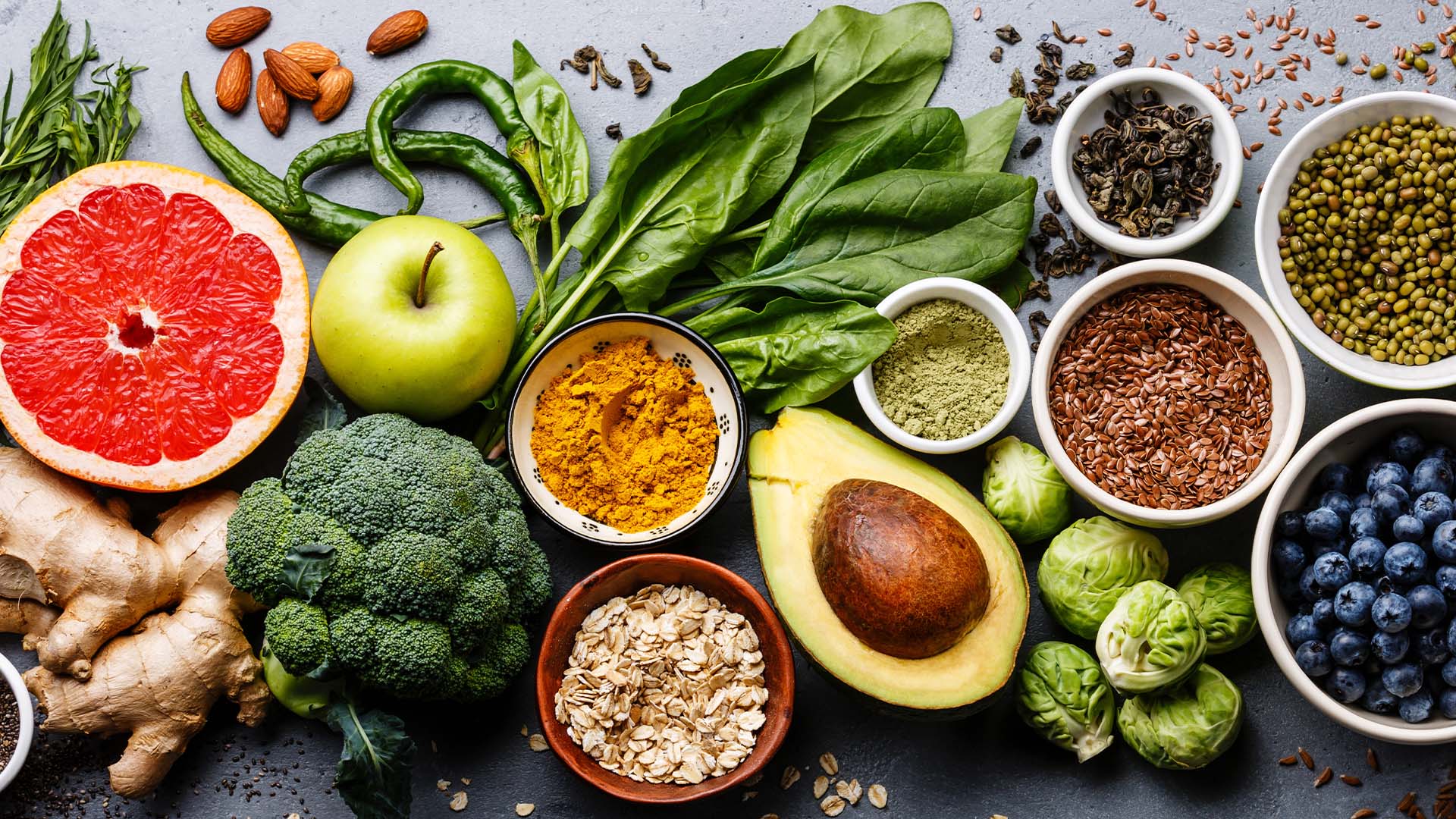
If you’re trying to eat healthier, you’ve probably encountered conflicting nutrition advice that leaves you feeling more confused than inspired. From avoiding carbs to plant-based...
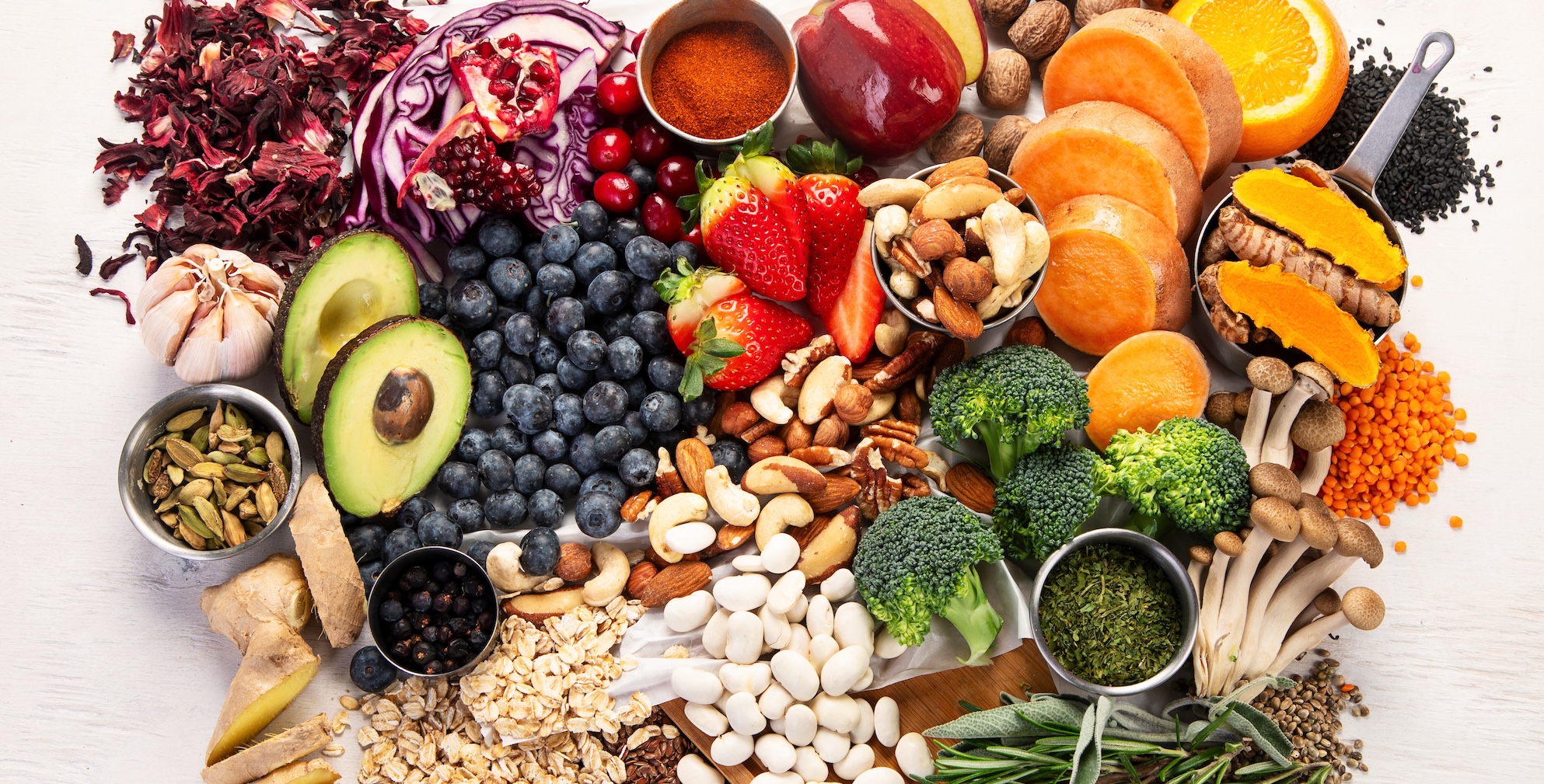
You’ve likely heard the term “antioxidant” in conversations about free radicals and general health. But many people aren’t clear on how these concepts are connected...
You’ve probably heard of ubiquinol, but what role does it play in your health — or your meals? Ubiquinol, the active antioxidant form of CoQ10,...