Buy Ubiquinol Now
HAPPY HEALTHY AGING MONTH!
Celebrate with 25% off sitewide at NewQ. Use code HEALTHYAGING.
SHOP NOW →HAPPY HEALTHY AGING MONTH!
Celebrate with 25% off sitewide at NewQ. Use code HEALTHYAGING.
SHOP NOW →

Updated on January 27, 2026
Parenthood reshapes everything in your life — your schedule, your sleep, your priorities, and often your expectations of yourself. Between work responsibilities, childcare, household needs, and the mental load that never quite shuts off, finding time for your own health can feel challenging or even selfish. Fatigue becomes too familiar. Old routines become fragile. Worst of all, the pressure to “do it all” as a super-parent can quietly push your own well-being (or your partner’s) to the bottom of the list.
That said, healthy habits and parenting are not opposing forces. They can coexist when your approach is realistic, flexible, and built for the stage of life you’re in. Structure that works with the flow of your life supports both yourself and your family.
For parents of infants and toddlers, sleep is constantly disrupted, routines shift daily, stress levels rise, and personal time evaporates. But, small actions repeated regularly can all add up to support lasting health, even when time and energy are limited.
Research led by Penn State shows that when new parents get more sleep and physical activity in their daily lives, they tend to feel better overall, experience healthier relationships with their partners, and feel more connected to their baby. And while the motivation and structure required to build healthy new habits might seem scarce now, when it comes to building and maintaining new habits, consistency matters far more than intensity.
Rather than aiming for dramatic lifestyle overhauls, progress comes from small, manageable choices that fit into your day as it already exists. And focusing on yourself in this way isn’t selfish — think of it as putting on your own oxygen mask to allow you to better support others. Staying healthy as a parent helps you show up more fully, patiently, and energetically for your child and partner.
We know fitting healthy lifestyle habits into your parenthood routine is challenging, so we’ve compiled 10 easy habits that actually work. But don’t think of this like a checklist to be conquered. You don’t need to adopt every habit at once. Even one or two small changes can help support your health and momentum over time.
Even short bursts of movement can help support cardiovascular health, strength, and stress management. Some quick workouts for parents include bodyweight exercises during naptime, a brisk stroller walk, or a few stretches while your child plays nearby. Kid-inclusive movement counts, too! Always ensure children are properly supervised, listen to your body, and consult a healthcare professional before starting new exercise routines, especially if you’re returning to activity after pregnancy or injury.
Related: 6 Unconventional Exercises that Don’t Feel Like a Workout
Busy parents usually eat what’s easiest, especially when schedules change by the minute. Keeping simple, nourishing snacks readily available can help support steady energy levels and prevent skipped meals. Options like fruit, yogurt, nuts, hummus with vegetables, or whole-grain crackers make it easier to fuel your body throughout the day.
Building snack habits around nutrient-dense foods can also introduce kids to healthier options early on. Learning more about superfoods and their benefits or making some healthy food swaps can help turn quick snacks into supportive daily choices.
Cooking every meal from scratch isn’t realistic for most parents. Instead, preparing meals that stretch across several days can help support healthy eating with kids while saving time and energy. Sheet-pan dinners, slow cooker meals, and making extra portions for leftovers can simplify weeknights and reduce decision fatigue.
These strategies also work well for toddlers who prefer familiar foods and textures. Batch cooking allows parents to maintain consistency while adapting meals as needed. For more ideas on creating balanced, family-friendly meals, check out our Eating Well resources.
A streamlined, strategic grocery routine can make healthy choices so much easier to maintain. Using repeatable grocery lists, sticking to simple meal frameworks, and buying versatile staples in bulk can help reduce both stress and cost. Foods like frozen vegetables, beans, whole grains, eggs, and raw chicken are budget-friendly options that work well across multiple meals.
Still feel overwhelmed by grocery shopping? You’re not alone! Here are some practical tips for simpler, healthier trips to the supermarket.
Hydration supports nearly every function in the body, because, after all, we are mostly made of water. Every cell in the body relies on adequate fluid intake to function properly. So, what is adequate hydration?
According to the U.S. National Academies of Sciences, Engineering, and Medicine, adequate daily fluid intake includes about 15.5 cups for men and 11.5 cups for women, coming from beverages and food combined. For most people, that means 6-8 glasses of water per day.
For parents on the go, a few simple strategies can make hydration more manageable, such as keeping a large water bottle nearby, setting phone reminders, or consuming more water-rich foods like fruits and vegetables.
Stress is common during early parenthood, and waiting for calm moments to “just happen” unfortunately isn’t realistic. Intentionally creating short moments of relaxation can help support emotional balance and overall well-being. Even five minutes of focused breathing, gentle stretching, meditation, or quiet reflection can make a difference when practiced consistently (whether that’s during a lunch break or after bedtime). This is a key aspect of stress management for parents.
Read More: Discover More Resources to Stress Less
Constant sleep disruptions may be the norm for parents of babies and toddlers, but prioritizing sleep when possible still matters. Creating a consistent wind-down routine, limiting screen use before bed, and aiming for earlier bedtimes can help support better quality rest over time. Remember: even small improvements in sleep can positively influence mood, focus, and energy levels.
Read More: Tips For Better Sleep
Parenting doesn’t have to be — and shouldn’t be — a solo effort. Sharing responsibilities with a partner, family member, or trusted (and willing) friend can help reduce stress and create some much-needed space. Asking for help and communicating your needs is a form of self-care, and never something that should be seen as weak. Open communication is a practical, essential way to protect your well-being so you can show up more fully for your family.
Even as a new parent, you’re allowed and encouraged to protect your personal identity and the moments that refill your cup. A “non-negotiable” is a small but meaningful commitment you make to yourself that supports your well-being, even during busy seasons of parenting. This might look like a daily workout, a quiet cup of coffee before the day begins, or reading a few chapters of a book before bed. Start small and choose one habit that feels achievable right now. Over time, these intentional moments can help play an important role in supporting your mental and emotional health.
It’s also important to recognize the difference between healthy self-advocacy and unfair expectations. Asking a partner to handle childcare for 30 minutes so you can reset and be more present is often totally reasonable. Expecting the same support when your partner is already carrying the vast majority of daily caregiving responsibilities may require a more thoughtful conversation and compromise. Protecting your non-negotiables works best when it’s grounded in mutual respect and open communication.
Related: The Art of the “No”: Creating the Life You Truly Want
Parenting can place a heavy, constant drain on your energy due to stress, sleep loss, busy schedules, and the general demands of sustaining a tiny human life.
At the cellular level, the antioxidant ubiquinol is required for the production of 95% of the body’s cellular energy.1 However, the body’s ability to efficiently produce this nutrient decreases over time, which can cause cellular damage from an imbalance of antioxidants and free radicals (also called “oxidative stress“). Supplementation with a trusted brand like Kaneka Ubiquinol® can help support healthy aging through a number of benefits and protect cells from oxidative stress. Consider it just another powerful item in your parenting toolkit and learn more through our free Beginner’s Guide.
Read More: Download the Guide
A great parent doesn’t have to do it all, and they don’t have to do it perfectly. What matters most is choosing habits that feel supportive, sustainable, and kind to the life you’re living right now with your new family. Even one or two consistent changes can help support your energy, health, and mindset.
As your family blossoms and routines shift, your habits should evolve with you. Return to this list when you need a reset, and build gradually rather than all at once. Ready to tackle even more healthy habits? Visit our Heart Health, Active Lifestyle, or Healthy Aging hubs to get started.
*Information on this site is for informational purposes only and is not a substitute for medical advice. Always consult your doctor or licensed healthcare provider with any questions about your health and before starting a new exercise program. Never delay contacting your doctor or disregard medical advice because of something you have read on this website or the internet.

Sign up for our Kaneka Ubiquinol® Newsletter & get tips and resources on cellular wellness, healthy aging, heart health, supplement facts more – delivered right to your inbox.
"*" indicates required fields
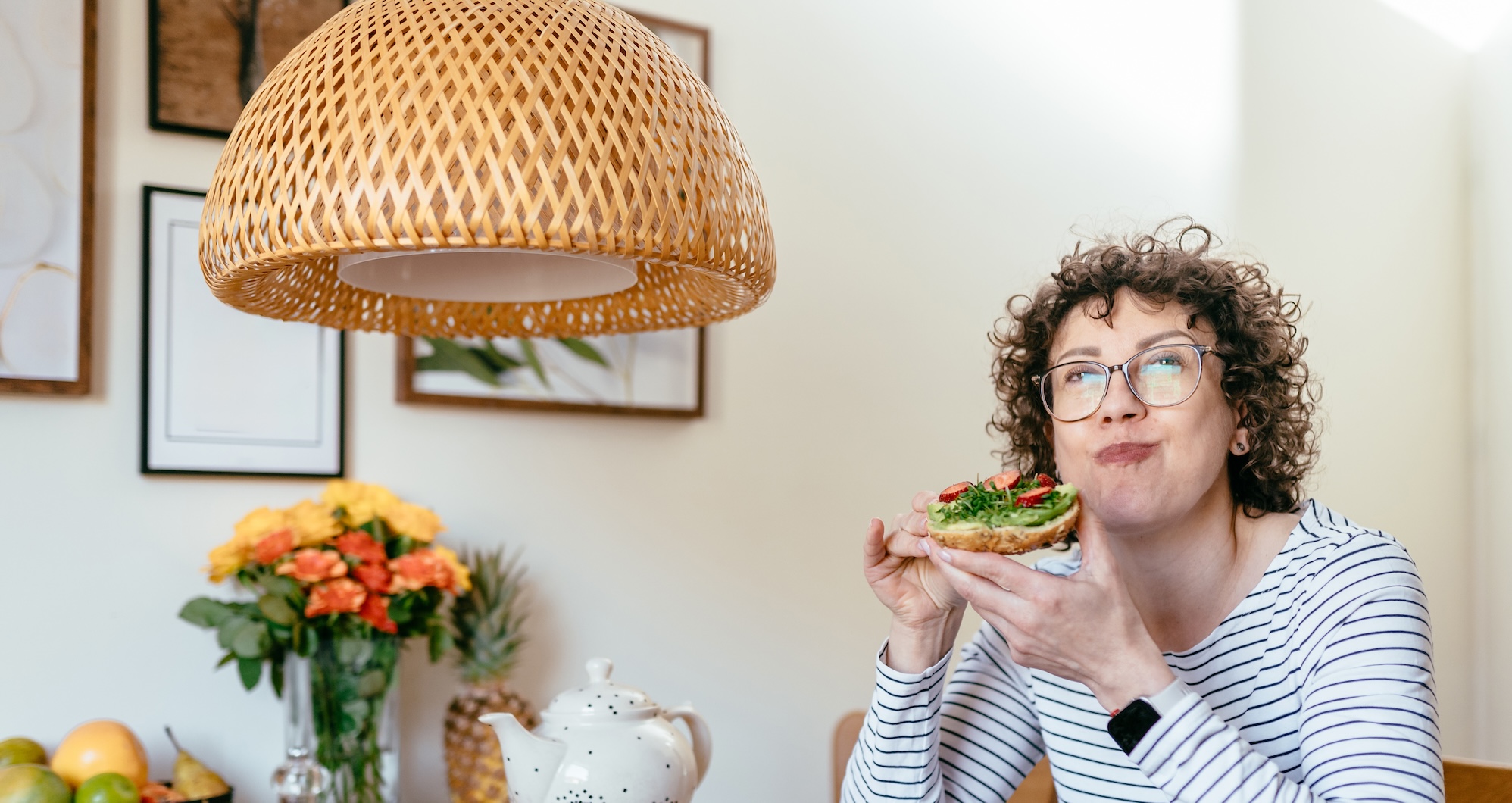
If you’re trying to eat healthier, you’ve probably encountered conflicting nutrition advice that leaves you feeling more confused than inspired. From avoiding carbs to plant-based...
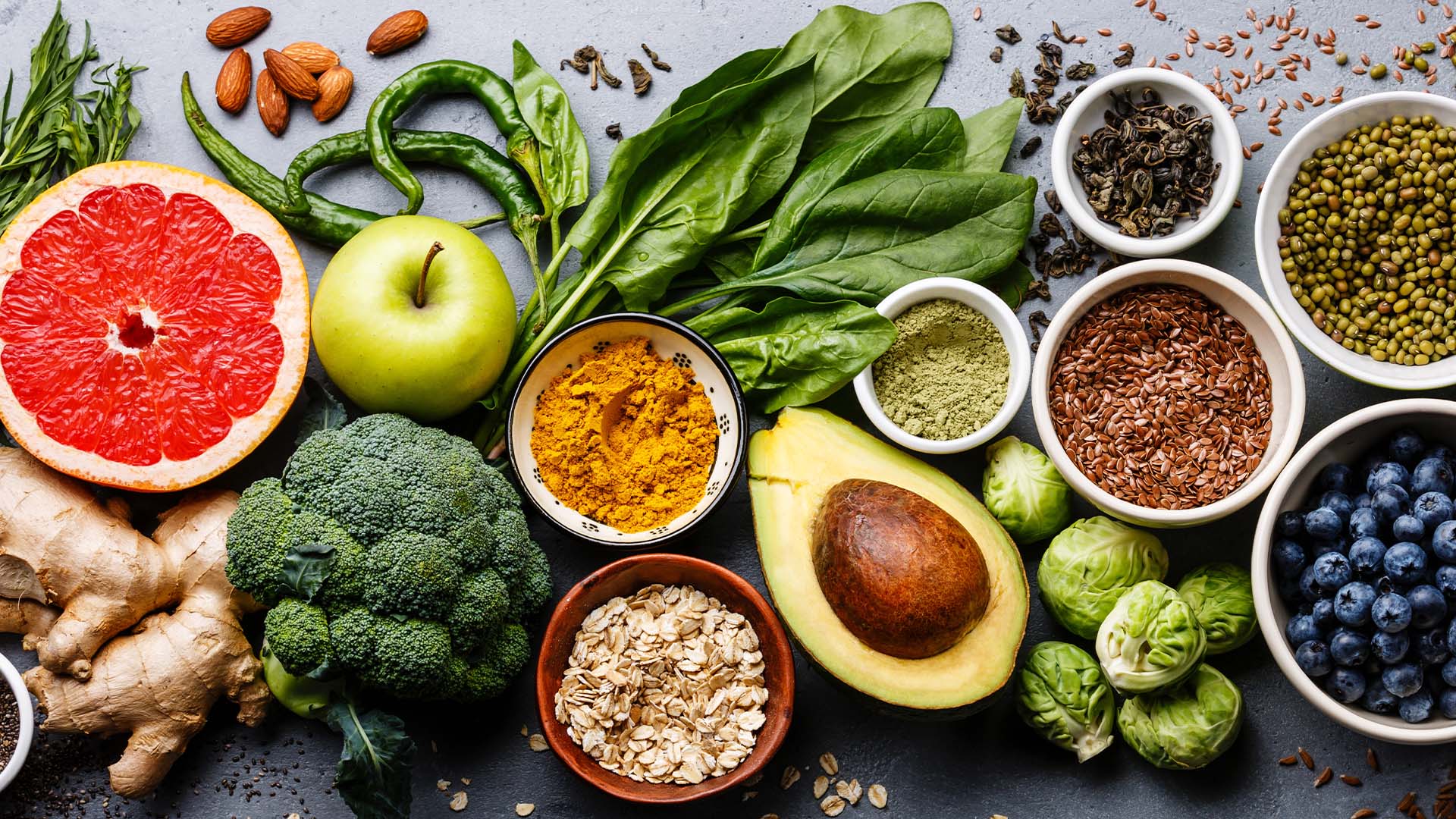
You’ve likely heard the term “antioxidant” in conversations about free radicals and general health. But many people aren’t clear on how these concepts are connected...
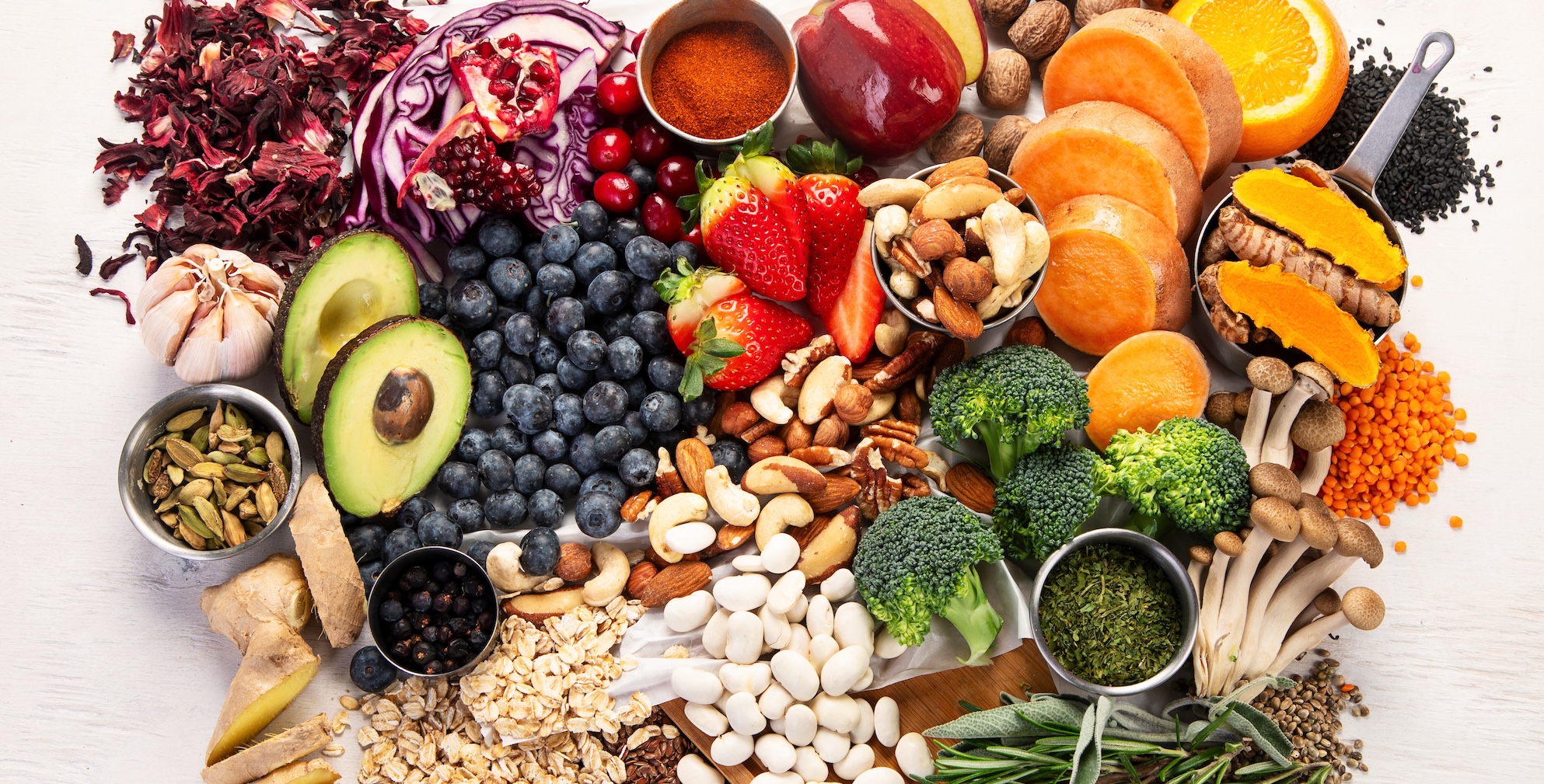
You’ve probably heard of ubiquinol, but what role does it play in your health — or your meals? Ubiquinol, the active antioxidant form of CoQ10,...